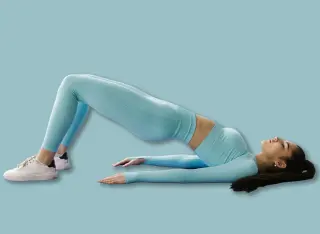
Women's Health UK outlines a six-exercise strength routine designed for busy women, emphasizing that consistent, minimal-effort training can yield significant physical benefits without requiring extensive time or equipment.
An expert instructor highlights barre as a highly effective method for building strength without using equipment. The recommended 15-minute workout utilizes bodyweight movements to target major muscle groups, offering a low-barrier entry point for individuals seeking to improve physical fitness at home.
A 93-year-old woman maintains strength and independence by doing a strict 20-minute, four-move routine every day (stair-step ups, sit-ups, planks, fridge squats), walking 8,000–12,000 steps daily, and following a simple, balanced diet. Her mindset—“I get to exercise”—along with a consistent morning routine and regular activity, keeps her mobile and engaged, rarely missing workouts even when traveling.
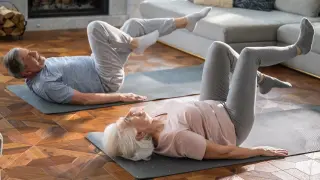
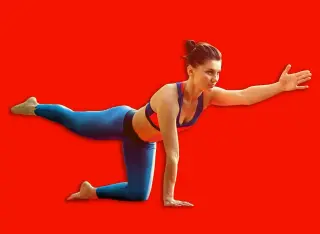
Experts note belly overhang after 65 comes from aging and weakening deep core muscles. The article recommends five at‑home moves—dead bug, bird‑dog, modified Copenhagen side plank, half‑kneeling Pallof press, and bear plank shoulder taps—that target deep core stability, improve posture and balance, and reduce back injury risk, offering a practical alternative to gym workouts.
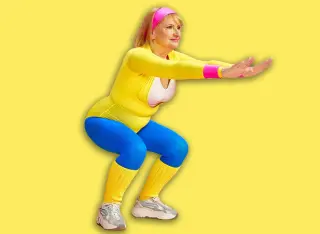
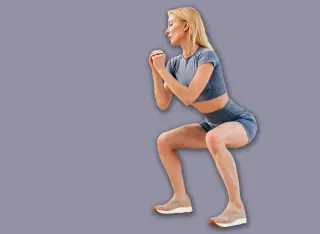
A trainer-backed guide recommends five simple daily moves—brisk walking, bodyweight squats, standing knee drives, step-ups, and planks—that raise calorie burn, preserve muscle, and support a modest calorie deficit to reduce a belly overhang after age 50, without relying on targeted abdominal crunches.
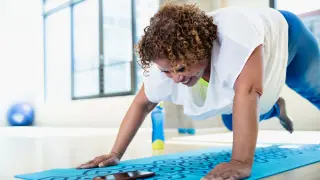
The article highlights that strength training can benefit people over 60 and emphasizes starting safely with short, at‑home sessions. A PT advises beginners to use bodyweight or light equipment and gradually progress, noting that you don’t need heavy gear. It covers three starter exercises—squats, wall presses/press-ups against a counter, and wall sits—each with simple technique tips to improve bone density, muscle mass, posture, and joint comfort, plus safety reminders to consult a professional if needed.
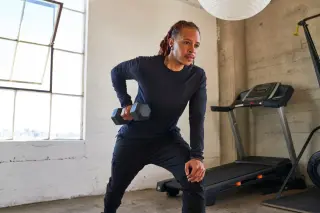
Dr. Brad Schoenfeld shares a practical at-home, 30-minute full-body dumbbell workout (six core moves with two optional arm exercises) to be done twice a week. Each exercise uses two hard sets of 8–12 reps with 60–120 seconds rest, and weights should be progressively challenging. Beginners should start light to learn technique, then increase weight, volume, or vary rep ranges over time. The routine targets all major muscle groups, supports bone and joint health, improves heart and metabolic health, and can reduce diabetes risk; with consistency, noticeable benefits typically appear within weeks and escalate over months as strength and muscle grow.
A personal trainer who specializes in midlife clients shares a 10-minute, five-move beginner routine (glute bridge, squat, press-up, mountain climbers, and plank shoulder taps) designed to be enjoyable and sustainable. The plan uses three sets of 30 seconds per move with short rests, and is recommended for six to eight weeks before adding weight or progressing. Emphasis is on proper form, diaphragmatic breathing, and core engagement to build confidence and long-term movement habits.
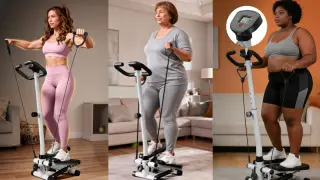
A compact 16.5-pound mini stair stepper with a built-in handlebar and LCD display enables low‑impact cardio indoors. On sale for $49.99 at Amazon (regularly $77.77), the device features adjustable resistance, arm bands, a sturdy base (supports up to 300 pounds), and tracks steps, time, and reps. The article cites research suggesting daily steps in the 2,000–4,000 range (with benefits seen starting around 2,337 steps) can lower mortality and cardiovascular risk, making this space-saving machine a convenient way to boost daily movement when outdoor walking isn’t feasible.
A wellness article recommends five chair-based exercises to rebuild thigh muscles after 60, using bodyweight for resistance and slow, controlled movements to boost balance and daily function. The moves are inner-thigh squeeze with a block, knee extensions, chair squats, chair-supported reverse lunges, and seated hamstring curls with a resistance band, with guidance on setup, roughly 10–15 reps per leg or side, and 3–5 second holds to maximize muscle engagement.
Muscle loss drives the softening many feel after 50, but four standing moves—bodyweight squats, reverse lunges with overhead reach, counter push-ups, and doorway rows—firm the legs, glutes, chest, back, and trunk more efficiently than many gym classes by using big muscle groups and boosting metabolism. Do two rounds of 8–15 reps per exercise, three to four days a week (with 30–45 seconds rest) and alternate with 30 minutes of walking; progress by tempo changes, adding reps or light weight, or adding a third round. Most see changes by 2–4 weeks, with clearer results by 6–8 weeks and typical strength gains of 30–50%.
An osteoporosis expert says you can strengthen bones at home without a gym, recommending 10 weight-bearing exercises (marching in place, heel drops, step-ups, stair climbing, sit-to-stand, single-leg stand, step-outs, mini hops, jog in place, and dancing) to boost bone density and reduce fracture risk; start at your own pace, adapt to space and ability, and build up gradually.
A Penn State physician-scientist shows that a 4-minute at-home routine (30 seconds each: push-ups, squats, stair-stepping, and resistance-band rows with 30 seconds rest) done daily for 12 weeks improved mobility and balance in adults 65+, supporting the FAST (Functional Activity Strength Training) approach. The findings suggest that one hard set a few times weekly can yield most strength gains, especially with progressive overload and multi-joint movements, reinforcing that short, consistent workouts can aid healthy aging—with longer-term longevity effects needing more study.
An expert-guided routine offers five equipment-free exercises—sit-to-stands, step-ups, wall sits, glute bridges, and calf raises—to rebuild leg strength after 60. The moves target the major leg muscles while boosting balance and mobility, translating into easier stair use and reduced fall risk. Follow the suggested sets and reps (about 8–15 reps per move, 2–3 sets, and 20–45 seconds for wall sits) to develop functional strength for daily life.
Pop star Dua Lipa credits daily mat work from Frame Reformer for staying grounded and fit; Women’s Health UK shares a trainer-designed 20-minute, six-move mat routine (requiring a mat, Pilates ball, ankle and wrist weights) that targets arms, abs and legs, performed in 40-second intervals with 20-second rests and repeated for a second circuit.