
Artist August Lamm argues that ditching smartphones restores mental clarity and social presence
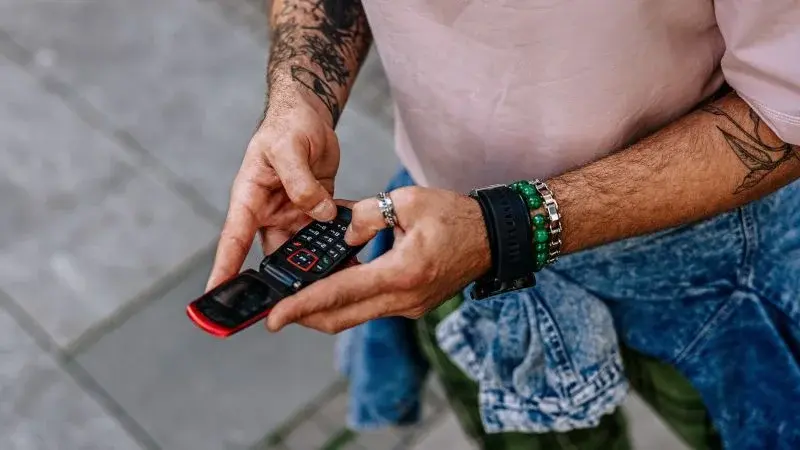
August Lamm, an artist and author of 'You Don't Need a Smartphone,' advocates for abandoning smartphones to improve mental health and social connections. She claims that removing the device restores cognitive function, reduces anxiety, and forces more intentional interactions. While critics note the inconvenience of losing digital conveniences, Lamm argues that the reclaimed time and presence outweigh these drawbacks.
Key points
- August Lamm, a visual artist based in upstate New York, published a book titled 'You Don't Need a Smartphone: A Practical Guide to Downgrading Your Phone and Upgrading Your Life' in 2026.
- Lamm removed her smartphone in 2022 after realizing her screen time was exceeding her time spent making art, citing feelings of addiction.
- According to the Office of the US Surgeon General, the average 13- to 18-year-old spends more than eight hours per day on screens, which is linked to lower physical and mental health.
- Lamm argues that without smartphones, people become more present in social situations, leading to deeper friendships and more intentional communication rather than passive social media updates.
- She claims that removing smartphones allows individuals to reclaim hours of daily time previously lost to scrolling, which can be redirected toward analog activities like walking, reading, or calling friends.
- Lamm suggests that cognitive skills such as memory and navigation, which may seem diminished by smartphone reliance, naturally return when the device is removed, as these are innate human survival skills.
Background
This story follows a broader trend in 2026 regarding digital wellness and the negative impacts of constant connectivity. Earlier coverage in our archive highlighted issues related to technology overuse, such as the psychological toll of social media on young people and the challenges of balancing technology with daily life. Lamm's book adds to this discourse by offering a practical guide for those seeking to reduce their dependence on smartphones.
How outlets are covering it
CNN presents Lamm's perspective as a positive shift toward mental well-being and social connection, emphasizing the benefits of reduced screen time. AOL.com, in a related article, questions whether the pressure of constant social media presence is ruining mental health, suggesting a broader societal concern about digital overload. While CNN focuses on individual empowerment through device removal, AOL highlights the systemic pressures of social media that may drive the need for such changes. Both sources agree on the negative impacts of excessive screen time but differ in their emphasis on individual action versus societal critique.
Why it matters
As screen time continues to rise, particularly among younger demographics, the potential long-term effects on mental health and social behavior are becoming a critical public health issue. Lamm's approach offers a practical alternative for those seeking to reduce their dependence on smartphones, potentially influencing broader conversations about digital wellness and the role of technology in daily life.
What to watch
Lamm's book may inspire more individuals to experiment with reducing their smartphone use, potentially leading to a wider adoption of digital detox practices. As the book gains attention, it may also prompt further research into the long-term effects of smartphone removal on cognitive function and social behavior.
- Want more free time in your day? Ditch your smartphone — it’s not as hard as it sounds CNN
- The Woman Who Wants You to Ditch Your Phone The New York Times
- Let’s learn from the younger generation on ditching smartphones Washington Examiner
- Is the Pressure of Constant Social Media Presence Ruining Your Mental Health? AOL.com
Want the full story? Read the original reporting
Read on CNN