
Pew data shows 62% of young adults say smartphones hurt sleep, prompting experts to recommend removing devices from bedrooms
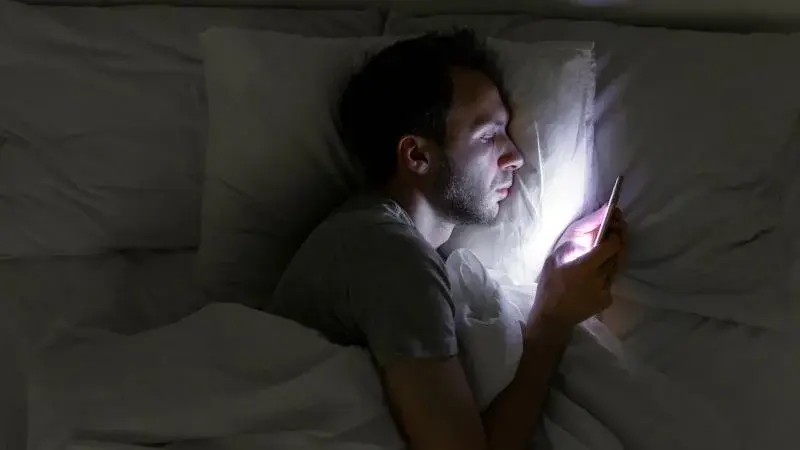
A September 2026 Pew Research Center survey found that 62% of adults aged 18 to 29 believe smartphone use negatively impacts their sleep. Experts advise removing phones from bedrooms to improve rest, noting that even passive proximity can disrupt sleep through anticipated notifications. While 41% of all adults report negative sleep effects, only 25% of those trying to reduce screen time report high success rates.
Key points
- Pew Research Center survey (May-June 2026) shows 62% of 18-29 year olds say smartphones hurt sleep; 41% of all adults agree.
- A 2022 study found 42% of time in bed is spent using smartphones, linked to decreased sleep quality.
- Experts warn blue light filters do not negate the cognitive stimulation of scrolling, which keeps the brain active.
- A 2018 study found 75% of participants who removed phones from bedrooms for one week fell asleep faster and reported better well-being.
- Only 25% of adults who tried to reduce smartphone use in the past year reported being 'extremely or very successful' in their efforts.
Background
This story follows earlier coverage of the Brick Night device, a $129 Bluetooth gadget that automatically blocks apps in bedrooms to aid sleep. It also follows a JAMA study linking late-night phone use to significant sleep loss in teens. Recent advice from dietitians on pre-bed nutrition complements these digital hygiene strategies.
How outlets are covering it
CNN emphasizes behavioral strategies, such as moving phones to the foot of the bed or using 'Do Not Disturb' modes, citing clinical psychologist Kristin Szuhany and Stanford professor Jamie Zeitzer. They highlight the anxiety of being unreachable but suggest graded exposure to separation. The Newswire and Daily Mirror focus heavily on the Pew Research Center statistics, noting that while 73% of adults say smartphones help them stay informed, 41% report negative sleep impacts. The Mirror notes that 53% of adults feel they spend too much time on devices, with 70% of those under 30 agreeing. All sources agree that younger generations are most affected, but CNN focuses on individual coping mechanisms while the others highlight the broader societal trend of excessive usage.
Why it matters
As smartphone integration into daily life deepens, the link between device proximity and sleep quality is becoming a public health concern. The data indicates a significant gap between the desire to reduce screen time and the success of doing so, suggesting that environmental changes, such as removing devices from bedrooms, may be more effective than willpower alone for improving rest and mental well-being.
What to watch
Experts recommend continuing to test 'stimulus control' by keeping phones out of bedrooms. Users may increasingly adopt hardware solutions like the Brick Night device or adjust phone settings to allow repeated calls to bypass 'Do Not Disturb' modes, balancing safety with sleep hygiene. Future research may focus on the long-term effects of consistent phone-free bedrooms on anxiety and relationship quality.
- How to stop doomscrolling before bed and get better sleep CNN
- Late-night phone use linked to shorter sleep in teens, especially girls Medical Xpress
- Are smartphones stealing our sleep? New study reveals worrying trend Newswire
- Moving Your Phone Out of Reach May Help You Sleep Better JournalArta
- Smartphones linked to concerns over sleep and productivity Daily Mirror - Sri Lanka
Want the full story? Read the original reporting
Read on CNN