
Coventry patient reveals 11 years of unnecessary chemotherapy after misdiagnosis
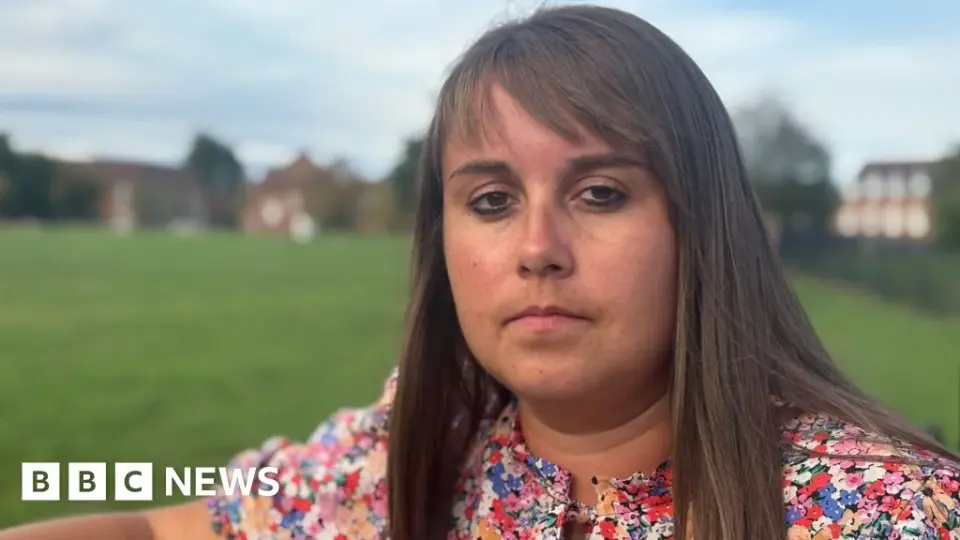
A 33-year-old woman in Coventry has revealed that she underwent 11 years of chemotherapy for a brain tumour she never had. The treatment, prescribed by a consultant at University Hospitals Coventry and Warwickshire, caused severe side effects and impacted her career and family life. She was later diagnosed with a treatable inflammation. More than 40 patients are now taking legal action against the trust, following a review that found significant failures in patient care and oversight.
Key points
- Becky Jones, now 33, was diagnosed with a grade four glioblastoma at age 21 and prescribed the chemotherapy drug temozolomide for life, contrary to standard guidelines recommending six cycles over six months.
- In 2025, independent analysis confirmed Jones never had cancer but suffered from tumefactive demyelination, a brain inflammation typically treated with steroids.
- Jones experienced severe side effects including constant nausea, fatigue, and mouth ulcers, and was initially told she could not have children, though she later became a mother of two.
- More than 40 patients are taking legal action against University Hospitals Coventry and Warwickshire (UHCW) NHS Trust for prolonged or unnecessary cancer treatment.
- A preliminary review by the Royal College of Physicians found that 15 of 20 reviewed cases were 'unsatisfactory overall,' citing a 'betrayal of patient trust' and a lack of clinical curiosity or multidisciplinary collaboration.
- The review noted that oncology pharmacy teams failed to challenge patients receiving oral chemotherapy continuously for 10 to 15 years, and there was 'scant evidence' of understanding or documenting drug risks.
Background
This case highlights systemic failures in medical oversight and patient safety within the NHS, specifically regarding the over-prescription of chemotherapy drugs. It contrasts with recent cases of delayed cancer diagnoses, such as a 25-year-old Australian mother diagnosed with stage 4 bowel cancer after years of ignored symptoms, and a 27-year-old fitness entrepreneur diagnosed with stage 2 testicular cancer. While those cases involved missed or delayed diagnoses, this case involves a false positive leading to years of unnecessary treatment. The FDA's recent approval of a pancreatic cancer pill that doubles survival underscores the importance of accurate diagnosis and appropriate treatment selection, as unnecessary chemotherapy can cause severe, long-term harm.
Why it matters
This case underscores the critical importance of accurate diagnosis, multidisciplinary collaboration, and robust oversight in medical treatment. It highlights the potential for severe harm when clinical errors go unchallenged and the need for stronger mechanisms to protect patients from unnecessary and harmful treatments. The legal action and independent review signal a push for accountability and improved patient safety within the NHS.
What to watch
The full Royal College of Physicians review is expected to be published, after which UHCW will assess its findings and take further appropriate action. The trust is also conducting an independent review of its speak-up processes to ensure staff feel supported in raising concerns. The legal action by more than 40 patients may lead to significant changes in how chemotherapy prescriptions are monitored and reviewed within the NHS.
Want the full story? Read the original reporting
Read on BBC