
South Korean Researchers Create Ultra-Thin Film That Blocks 99.9999999% of Radar Waves
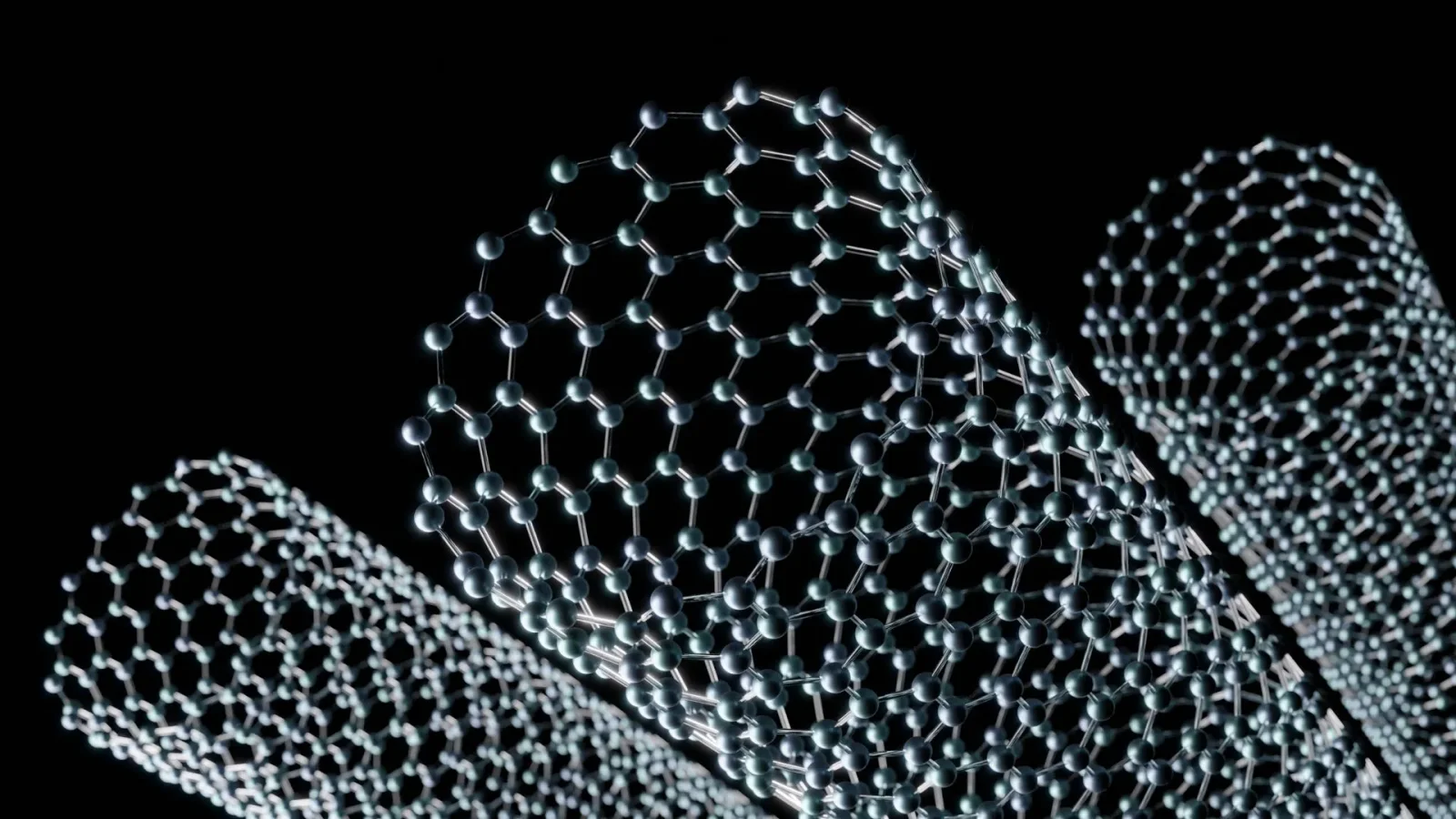
A collaborative team from South Korea’s KIMS and KIST has developed a 17.5-micrometer-thick composite film that blocks 99.9999999% of radar waves while maintaining the tensile strength of steel. By bonding carbon nanotube fibers with MXene nanosheets in a 'brick-and-mortar' structure, the material offers simultaneous electromagnetic shielding, infrared stealth, and mechanical durability. This innovation could revolutionize military aircraft by reducing weight and hiding thermal signatures, while also addressing electromagnetic interference in future 5G and 6G consumer electronics.
Key points
- The film is 17.5 micrometers thick, approximately one-fifth the width of a human hair.
- It achieves 90 dB of electromagnetic shielding effectiveness, blocking over 99.9999999% of incident waves in radar and communication bands.
- The material possesses a tensile strength of 1.02 GPa, comparable to high-strength structural steel.
- It exhibits ultra-low infrared emissivity, effectively hiding objects from heat-seeking thermal cameras.
- The composite is resistant to high heat and moisture, overcoming the degradation issues of pure MXene.
- The fabrication process is compatible with continuous manufacturing, suggesting potential for large-scale production despite current cost constraints.
Background
Recent advancements in lightweight aerospace materials, such as 3D-printed steel molds for aircraft doors, highlight the industry's push for weight reduction without sacrificing durability. This new film addresses the longstanding challenge of combining electromagnetic shielding with thermal stealth, a requirement that standard metallic coatings fail to meet due to weight and corrosion issues.
How outlets are covering it
Interesting Engineering emphasizes the dual military and civilian applications, highlighting how the film could protect slim consumer devices like foldable tablets from electromagnetic crosstalk as 6G networks develop. Science 2.0 focuses on the technical limitations of previous materials, noting that while carbon nanotubes are strong, they are difficult to assemble, and MXene is fragile. Both sources agree on the 'brick-and-mortar' analogy, where carbon nanotubes act as structural bricks and MXene as conductive mortar, but Science 2.0 explicitly notes that the technology is not yet cost-effective for mass production, whereas Interesting Engineering focuses on the performance metrics.
Why it matters
This material solves the trade-off between weight, durability, and stealth. For defense, it allows aircraft to shed heavy metallic shielding while remaining invisible to radar and thermal sensors. For consumer tech, it enables thinner, more reliable devices in an era of increasing electromagnetic interference from 5G and 6G infrastructure.
What to watch
Researchers must now address the cost-effectiveness of the fabrication process to enable large-area production. If successful, the film could be integrated into next-generation stealth fighters and reconnaissance drones, as well as lined inside future foldable smartphones and wearables to prevent internal signal interference.
- New film blocks 99.99% of radar waves, could advance stealth jet technology interestingengineering.com
- Ultrathin film blocks electromagnetic waves while masking infrared heat Tech Xplore
- A military radar-cloaking film could be the unlikely fix for one of the biggest foldable phone problems Digital Trends
- Carbon Nanotube Has EMI And Hides Heat Science 2.0
- CNT-MXene film combines shielding and strength The Engineer
Want the full story? Read the original reporting
Read on interestingengineering.com