
Wizards of the Coast Files $28M Lawsuit Against Alleged MTG Counterfeiting Ring
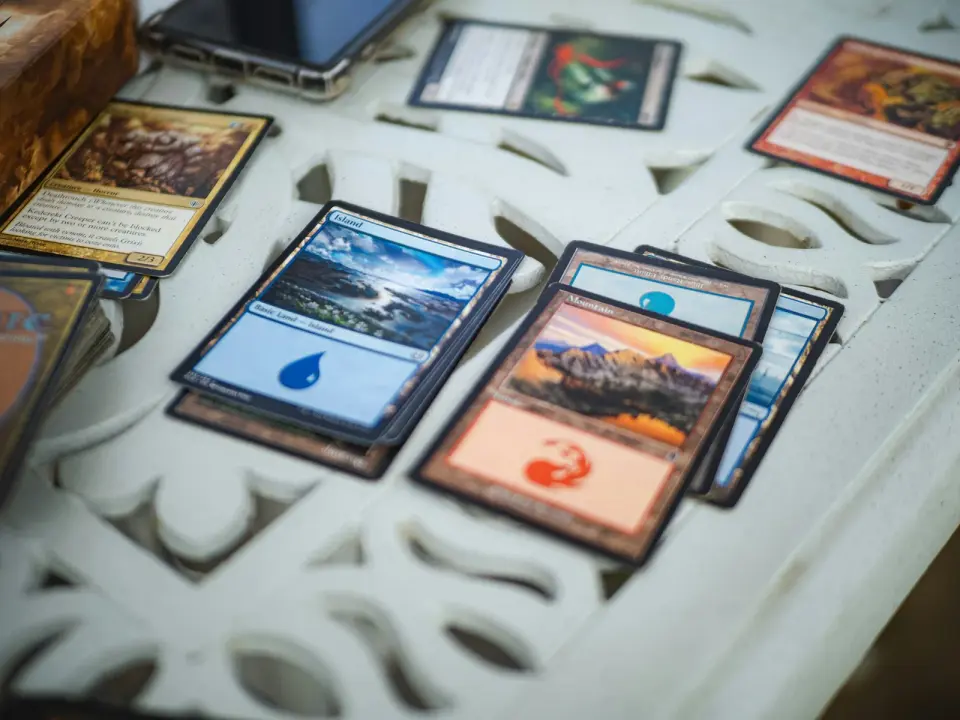
Wizards of the Coast (WotC) filed a 97-page lawsuit in the U.S. District Court for the Western District of Washington against Ryan James Dunn and associates, collectively known as PrintMTG Enterprises. The complaint alleges the defendants operate a counterfeit card ring disguised as a sticker business, seeking over $28 million in damages. WotC claims the defendants sell high-fidelity fake Magic: The Gathering cards that mimic genuine products, violating copyright, trademark, and consumer protection laws. The suit also cites RICO violations, including mail fraud and money laundering, and alleges the defendants hijacked expired domain names to market their products.
Key points
- WotC filed the lawsuit on Monday, November 23, 2026, seeking to shut down the alleged operation and recover damages exceeding $28 million.
- The complaint targets PrintMTG Enterprises, which WotC alleges is a front for a counterfeit business operating out of a print shop in Utah.
- Defendants are accused of selling 'proxy' cards that are designed to be indistinguishable from genuine WotC products, unlike honest proxies which do not claim authenticity.
- The lawsuit includes five causes of action: copyright infringement, trademark counterfeiting, civil RICO, and violations of the Washington Consumer Protection Act.
- WotC alleges the defendants also sold counterfeit Pokémon cards and LEGO minifigs, and hijacked expired domain names, including one previously owned by a British publishing house.
- The complaint notes that the defendants used the pseudonym 'Kit Yarrow,' a name associated with a deceased psychologist, to publish articles linking to their proxy business.
Background
This litigation occurs amid a broader expansion of Magic: The Gathering’s media presence, including the upcoming 2027 release of 'Nauctis: The Sunken Realm' and the debut of the Netflix series 'Planeswalker.' WotC has also recently engaged in promotional partnerships, such as a limited-time Burger King collaboration in Italy, highlighting the company’s focus on brand integrity and consumer engagement.
How outlets are covering it
Aftermath emphasizes the deceptive nature of the defendants' marketing, noting that their website explicitly advertised the ability to create cards that opponents and judges would mistake for genuine products. ICv2 highlights the legal strategy, pointing out that the suit includes a civil RICO claim alleging money laundering and wire fraud, which could serve as a deterrent to other 'proxy' makers operating on platforms like eBay and Temu. Both outlets agree that WotC distinguishes between 'honest' proxies, which are tolerated, and counterfeits that are designed to deceive buyers and undermine retail sales.
Why it matters
The outcome of this case could set a precedent for intellectual property enforcement in the tabletop gaming industry. If WotC prevails, it may provide a legal template for future litigation against other counterfeit operations, potentially reducing the prevalence of fake cards in secondary markets and protecting the integrity of the Magic: The Gathering ecosystem.
What to watch
WotC has requested the court to award damages, seize printing equipment, and issue injunctions to prevent further infringement. The defendants have not yet responded to the lawsuit. ICv2 suggests that this case may be the first of several legal actions against proxy makers, who have operated with limited oversight for years.
- Wizards of the Coast Suing Alleged Magic: The Gathering Counterfeiters Aftermath
- Renton-based Wizards of the Coast sues Utah family for $26.5 million over alleged counterfeit Magic cards KING5.com
- WIZARDS OF THE COAST SUES 'MAGIC: THE GATHERING' PROXY MAKER ICv2
- Wizards of the Coast Has Sued A Proxy Printer, Alleging It Was Engaging In Counterfeiting Magic Cards MMORPG.com
- Wizards of the Coast Sues Website That Prints Fake Magic: The Gathering Cards, Alleging Counterfeiting Operation IGN
Want the full story? Read the original reporting
Read on Aftermath