
AI-designed proteases cut disease-linked proteins with high precision
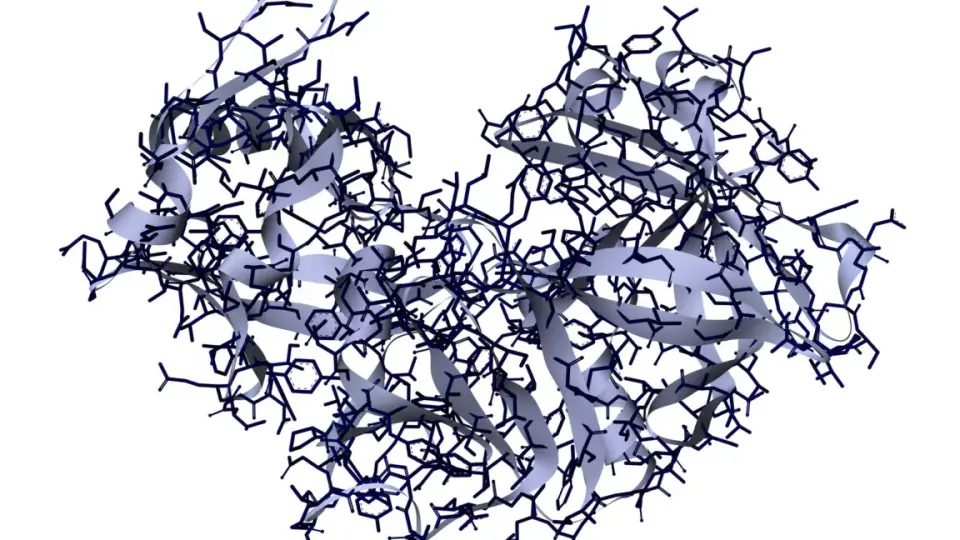
Researchers at the University of Washington used AI tools to design novel proteases that cleave specific peptide bonds, demonstrating potential for treating neurological disorders.
Key points
- David Baker’s lab utilized RFdiffusion2 and ProteinMPNN to design zinc and cysteine proteases from scratch, bypassing natural evolutionary diversification.
- Initial designs showed low catalytic activity, but iterative mutations improved efficiency by up to a factor of 10^10 while maintaining target specificity.
- The AI-designed enzymes successfully cut proteins associated with Alzheimer’s and frontotemporal dementia in cellular tests.
- Current AI tools excel at structural design but lack constraints for catalytic activity, requiring manual optimization for functional efficiency.
- Therapeutic application faces hurdles regarding protein delivery and immune response, particularly for intracellular targets.
Background
This development builds on recent advancements in AI-driven protein design, including Google DeepMind’s SynthID Bio system, which watermarks AI-generated protein sequences for biosecurity. The use of tools like ProteinMPNN and AlphaFold 3, previously highlighted for their role in structural prediction and watermarking, now extends to functional enzyme design. Earlier discussions on AI in biological contexts, such as the Nikon microscopy controversy, underscore the growing integration and scrutiny of AI in scientific research.
Why it matters
This research demonstrates that AI can design functional enzymes from scratch, potentially enabling targeted therapies for genetic diseases by degrading malformed proteins. It highlights the transition from structural prediction to functional design, though significant challenges remain in optimizing catalytic activity and delivering these enzymes to target sites in the body.
What to watch
Researchers will continue refining AI design constraints to incorporate catalytic activity metrics, aiming to improve the efficiency and specificity of designed proteases. Future work may focus on overcoming delivery challenges and immune response issues to develop viable therapeutic applications for neurological disorders.
Want the full story? Read the original reporting
Read on Ars Technica