
Bose Launches Second-Gen Ultra Open and New Sport Open Earbuds
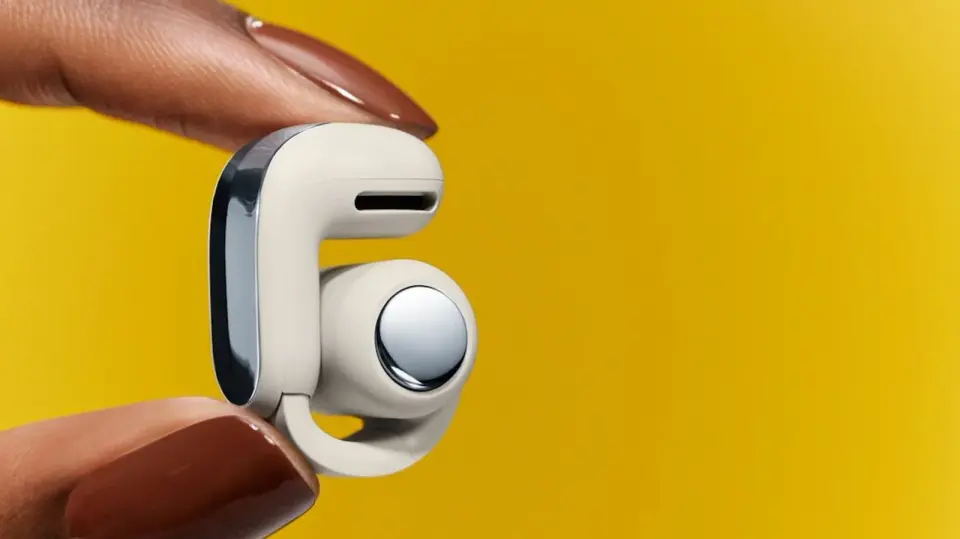
Bose has expanded its open-ear audio lineup with the release of the Ultra Open Earbuds (2nd Gen) and the new Sport Open Earbuds. Both models, which feature a distinctive cuff-clip design, are available for preorder starting September 19, 2026, with general availability on October 1, 2026. The Ultra Open model costs $299, while the Sport Open model is priced at $199.
Key points
- The Ultra Open Earbuds (2nd Gen) improve on the 2024 original with a new driver for deeper bass and higher volume, plus a battery life increase to 9 hours per charge.
- The new Sport Open Earbuds are designed for fitness, featuring a soft silicone finish, IP54 water and dust resistance, and physical controls for easier use during workouts.
- Both models include Auto Volume adjustment and SpeechClarity technology for improved call quality, though the Ultra Open adds Cinema Mode and Immersive Audio via Bose's TrueSpatial tech.
- The Ultra Open Earbuds support Bluetooth 5.4 with multipoint connectivity and will receive firmware updates for Google Find Hub and Alexa+ integration on launch day.
- Preorders begin on September 19, 2026, with both models shipping to customers on October 1, 2026.
Background
Bose originally introduced the Ultra Open Earbuds in 2024, which helped popularize the clip-on, open-ear form factor that prioritizes environmental awareness over noise isolation. The company recently refreshed its noise-canceling QuietComfort lineup with second-generation models that also feature TrueSpatial audio, suggesting a broader strategy to integrate spatial audio across its product range. The new open-ear models continue this trend by adding spatial audio features to the Ultra line while introducing a dedicated sports category.
How outlets are covering it
Engadget highlights the significant battery life improvement and the addition of Cinema Mode for the Ultra Open Earbuds, noting the divisive but comfortable cuff-clip design. Gizmodo emphasizes that the new driver addresses the volume and bass limitations of the first generation, calling it a crucial fix for open-ear audio. Rolling Stone focuses on the improved call quality via SpeechClarity and the broader market trend of open-ear devices from brands like Anker and Sony. CNET provides a critical market perspective, noting that while the Ultra Open Earbuds are likely to be among the best-sounding in their class, the $299 price point is high compared to competitors, and the Sport Open Earbuds face stiff competition from similarly priced models like the Shokz OpenDots 2.
Why it matters
The launch of these two models signals Bose's commitment to the open-ear category, which has grown significantly since 2024. By offering a premium option with spatial audio and a more affordable, durable option for athletes, Bose is attempting to capture different segments of the market. The improvements in bass, volume, and call quality address common criticisms of open-ear designs, potentially making them more viable for everyday use. The pricing and feature set will determine how well Bose can compete against numerous other brands entering this space.
What to watch
Consumers can preorder both models starting September 19, 2026, with general availability on October 1, 2026. CNET expects to receive review samples before the ship date and will publish hands-on reviews. Bose will also release firmware updates on launch day to add support for Google Find Hub and Alexa+ to the Ultra Open Earbuds. The market response to the $299 price point of the Ultra Open Earbuds and the $199 price of the Sport Open Earbuds will be key indicators of their success against competitors.
- Bose Refreshes Its Ultra Open Earbuds And Adds A New Sport Model To The Lineup Engadget
- Bose Unveils $199 Sports Earbuds With Cuff-Shaped Wraparound Design Bloomberg.com
- Bose Is Back in the Open Wireless Earbuds Game Gizmodo
- Bose Bets Big on the Open Earbud Category With 2 New Models Rolling Stone
- Bose Just Dropped New Sport Open Earbuds and Ultra Open Earbuds (2nd Gen) cnet.com
Want the full story? Read the original reporting
Read on Engadget