tech31.31 min read
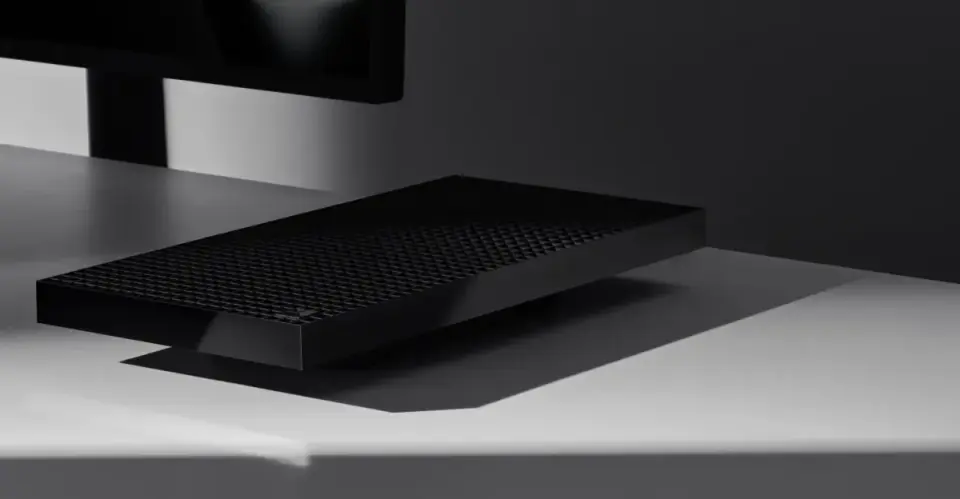
Microsoft opens preorders for $5,999 Surface RTX Spark Dev Box
1 day ago•Source: The Verge

The latest tech stories, each synthesized from multiple sources with added background and context.
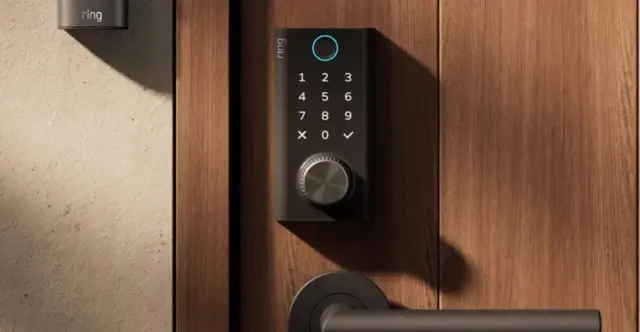
Ring has announced its first smart lock, priced at $249, which features a unique hand-cranked supercapacitor to prevent lockouts during battery failure. The device offers multiple entry methods and integrates with Amazon's ecosystem, with availability expected in early 2027.
Engadget•2 days ago
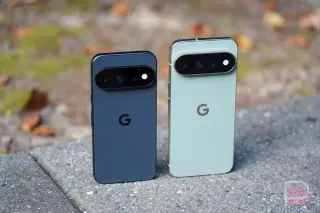
Google's Pixel 11 lineup has reached its lowest prices to date during Amazon's October Prime Day sale, with discounts of up to $300 off. The Pixel 11 Pro XL starts at $999, the Pro at $849, and the base model at $749, effectively erasing the price increases seen at launch.
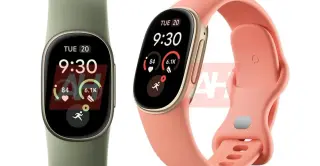
New leaks detail the Fitbit Edge, a mid-range tracker priced around $180 with a 1.34-inch OLED screen, 7-day battery, and Gemini-powered coaching, positioning it between the Fitbit Air and Pixel Watch 5.
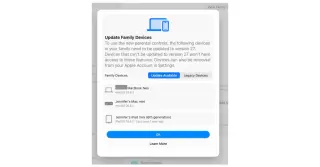
Apple’s revamped Screen Time parental controls, launched with iOS 27, require every device in a Family Sharing group to be updated to OS 27. This has caused frustration for families, as one outdated device can block the entire group from using the new features.
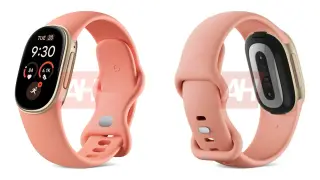
Leaked images of the Fitbit Edge, a successor to the Charge 6, show a domed display, built-in GPS, and an altimeter. The device is expected to offer up to seven days of battery life and support for Google Maps and YouTube Music, positioning it between the Fitbit Air and Pixel Watch 5.
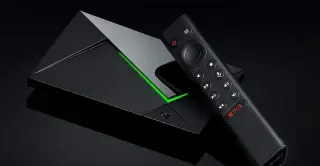
Nvidia increased the price of its Shield TV Pro streaming box by $100 to $299.99, effective October 2, 2026. The company also discontinued the standard Shield TV model, leaving the Pro as its only active streaming device. Nvidia attributes the hike to industry-wide spikes in memory and component costs, driven by high demand for AI hardware.
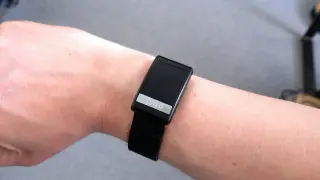
Qalo has launched the SL-1, a screenless smart band priced at $199.95 that requires no subscription. The device tracks sleep, heart rate, and stress, and integrates with Qalo's smart ring ecosystem to provide a unified health profile. While it offers 12-day battery life, it lacks automatic workout detection, a feature present in its main competitor, the Garmin Cirqa.
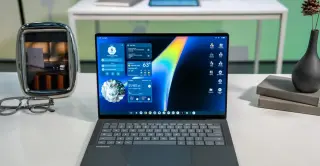
Googlebook laptops launched in Europe on October 5, 2026, but Google admitted that Intel-based models may struggle with certain Android apps. While the full Play Store is accessible, a 'small handful' of complex applications require developer tuning to run optimally on x86 hardware, unlike the Arm-based models which run natively.

TCL’s P80 Ultra introduces the first OLED panel with its Nxtpaper matte technology, offering superior contrast and an always-on display. This innovation has increased anticipation for the upcoming iPhone Duo, which is expected to feature a similar matte inner screen.
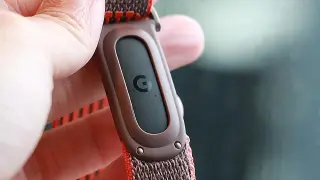
Leaked images confirm Google is launching the Fitbit Edge, a mid-range fitness tracker positioned between the $100 Fitbit Air and the $400 Pixel Watch 5. The device features a small screen, seven-day battery life, GPS, and cross-platform support for iOS and Android, with colors matching the Pixel 11 lineup.
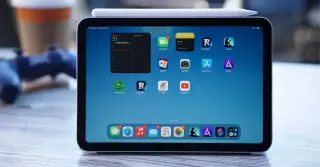
Amazon is offering a $100 discount on the 2024 iPad Mini, bringing the base Wi-Fi model back to $499. This price matches the tablet's pre-June 2026 cost, effectively reversing Apple's recent price increase. The deal applies to Wi-Fi and cellular models and is available without a Prime membership.