
JMGO Iris Ultra Max Launches Globally with 6,500 Lumens and Dual-Iris Contrast
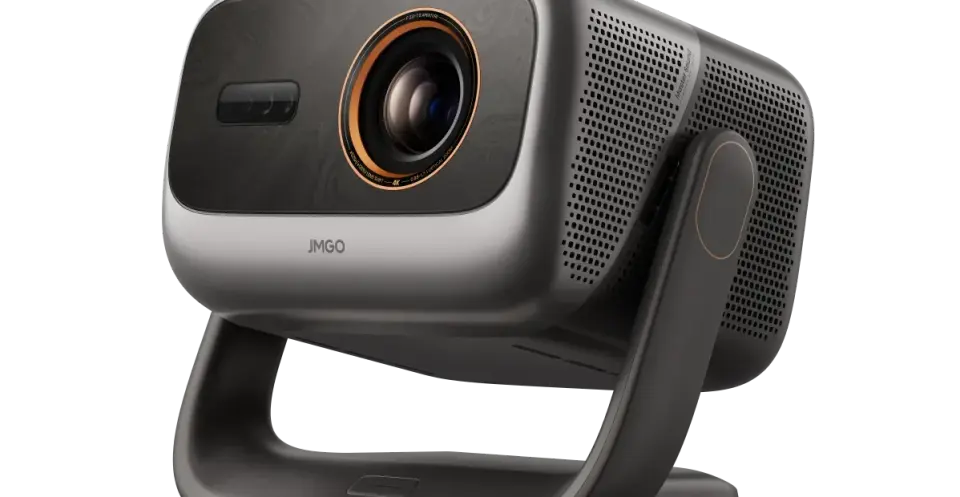
JMGO has released the Iris Ultra Max, a high-brightness 4K projector featuring a dual-iris system for 10,000:1 contrast, 120Hz refresh rates, and advanced gaming features like VRR and ALLM.
Key points
- The Iris Ultra Max is now available outside China, featuring a triple-laser light engine that produces 6,500 ISO lumens.
- A new dual-iris system controls light scatter to achieve a native contrast ratio of 10,000:1, addressing common projector contrast limitations.
- The device supports 4K resolution at 120Hz, including VRR and ALLM for reduced latency and tearing in gaming.
- It includes a motorized pan-and-tilt gimbal, optical zoom, and lens shift for flexible image placement without quality loss.
- The projector runs Google TV and supports Dolby Vision HDR, though The Verge notes potential color distortion issues at peak brightness based on previous models.
Background
This launch follows JMGO's previous N3 Ultimate model, which was reviewed in September 2026 as a versatile, bright laser projector with AI gimbal capabilities and strong gaming performance. The N3 Ultimate was noted for its daylight usability and competitive pricing, setting a precedent for JMGO's high-brightness all-in-one projector strategy.
Why it matters
The Iris Ultra Max pushes the boundaries of all-in-one projectors by combining high brightness, high refresh rates, and advanced contrast control, making it a viable alternative to traditional TVs for gamers and sports enthusiasts. The dual-iris technology addresses a longstanding weakness in projection technology, potentially shifting consumer preferences toward larger, more flexible display solutions.
What to watch
Consumers and reviewers will likely assess the Iris Ultra Max's color accuracy at peak brightness, as The Verge has raised concerns about potential color distortion in previous JMGO models. The market will also watch how this high-spec, high-brightness projector competes with other 4K 120Hz displays in the gaming and entertainment sectors.
Want the full story? Read the original reporting
Read on The Verge