
Apple Watch AI Features Spark Legal Debate Over Eavesdropping Laws
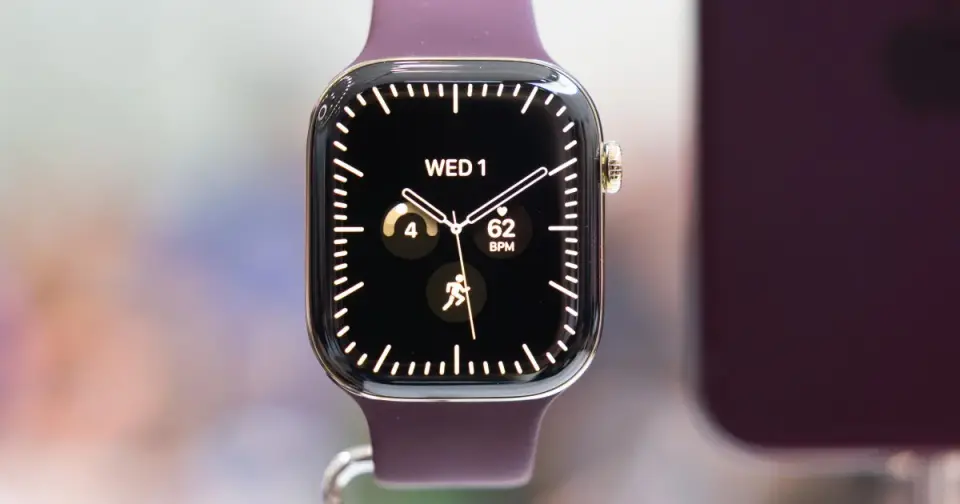
Apple’s new Siri Recap and Live Rewind features for the Apple Watch Series 12 and Ultra 4 allow users to summarize daily conversations and review recent audio transcriptions. While Apple asserts that no audio is recorded or stored, legal experts in California, Massachusetts, Pennsylvania, and Washington warn these tools may violate all-party consent wiretap laws. The controversy highlights tensions between ambient AI convenience and conversational privacy, with critics arguing that continuous processing constitutes interception regardless of storage.
Key points
- Apple introduced Siri Recap, which summarizes daily conversations, and Live Rewind, which displays text transcriptions of the previous 15 seconds of speech, for the Apple Watch Series 12 and Ultra 4.
- Apple claims privacy is protected through on-device processing, audible alerts, and the fact that no audio files are recorded or stored; summaries are deleted after seven days unless saved.
- Legal experts in California, Massachusetts, Pennsylvania, and Washington argue that continuous speech processing may constitute illegal interception under all-party consent laws, even without permanent storage.
- Attorneys note that the legal status of these features is untested, with some predicting they will become a 'case of first impression' in courts.
- Apple defends the features by noting users can disable them, limit their usage to specific times or locations, and that the 15-second limit allows for responsible use.
Background
This development follows earlier rumors of the Apple Watch Series 12 featuring an S-class chip and expanded health sensors, as well as Apple’s previous assurances that its AI listening features are privacy-first in response to backlash over Meta’s smart glasses. It also contrasts with LG’s recent clarification that its smart TV voice features only activate on-demand, not continuously.
Why it matters
The legal ambiguity surrounding Apple’s always-listening AI features could set precedents for how ambient AI devices interact with existing wiretap and eavesdropping statutes. As more companies launch similar technologies, users and bystanders may face unclear legal risks regarding conversational privacy, potentially leading to new regulations or court rulings that define the boundaries of on-device AI processing.
What to watch
Legal experts expect the first court cases to arise as users adopt these features, potentially clarifying whether on-device processing without storage constitutes illegal interception. Apple may face pressure to adjust its features or provide clearer legal disclaimers if courts rule against its current privacy model.
Want the full story? Read the original reporting
Read on Los Angeles Times