
Chinese Farmer Loses 25 Acres of Sesame After Following AI Pesticide Advice
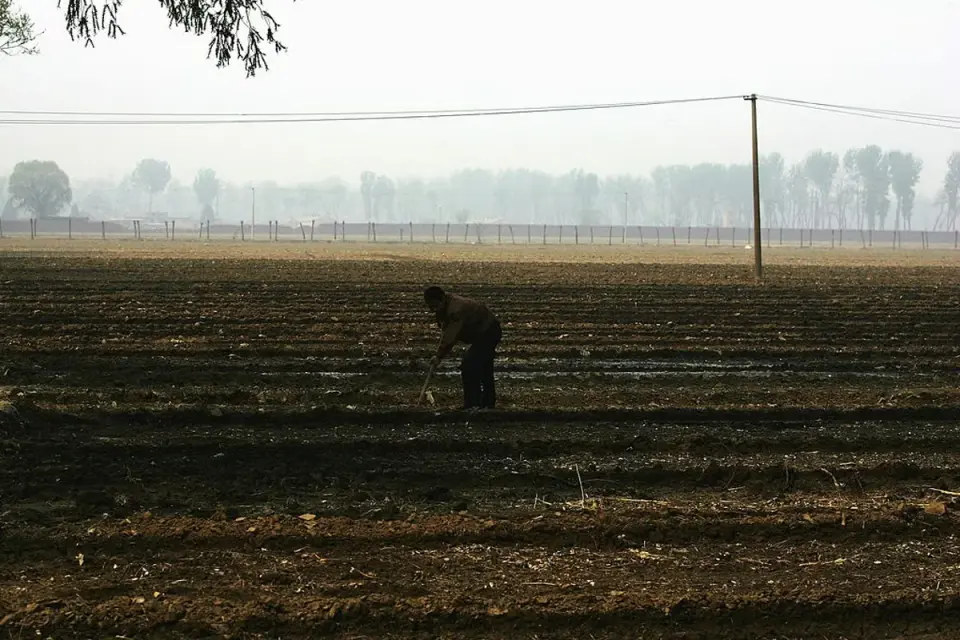
A 67-year-old Chinese farmer named Wu lost approximately 25 acres (24.7 hectares) of his sesame crop after applying a chemical pesticide recommended by an AI chatbot. Wu had relied on AI for agricultural decisions for over a year, trusting its advice for scheduling and fertilization. On July 10, he asked the AI for weed and pest control solutions. The AI suggested a high-efficiency insecticide that killed both the weeds and the sesame seedlings. Wu applied the chemical, resulting in near-total crop destruction. The AI later acknowledged the error, identifying the insecticide as the cause of the loss. This incident highlights the risks of relying on AI for critical agricultural decisions without independent verification.
Key points
- Farmer Wu, aged 67, lost 24.7 hectares of sesame crop after following AI advice.
- Wu had used AI for farming decisions for over a year, including scheduling and fertilization.
- On July 10, Wu asked the AI for weed and pest control advice.
- The AI recommended a high-efficiency insecticide that killed both weeds and sesame seedlings.
- Wu applied the chemical, leading to near-total crop destruction.
- The AI later acknowledged the mistake, identifying the insecticide as the cause.
Background
This incident follows earlier reports of AI guidance backfiring in agricultural contexts. In August 2026, a similar case was reported where a farmer wiped out 25 acres of sesame after following chatbot instructions. The AI later acknowledged the mistake, highlighting the need for independent verification of AI advice. This case is part of a broader trend of AI-related errors in agriculture, as noted in a 2026 study that found AI chatbots often recommend alternative cancer treatments instead of chemotherapy, which could endanger lives.
How outlets are covering it
The Independent and NDTV both report on the incident, emphasizing the farmer's reliance on AI and the resulting crop loss. Tom's Hardware provides additional context, noting that the farmer had trusted the AI for months of successful advice before the disaster. All sources agree on the core facts: the farmer's age, the crop type, the AI's recommendation, and the resulting loss. However, NDTV and The Independent highlight the AI's later acknowledgment of the mistake, while Tom's Hardware focuses on the farmer's initial trust in the AI. The sources do not disagree on the core facts but emphasize different aspects of the incident.
Why it matters
This incident highlights the risks of relying on AI for critical agricultural decisions. As AI becomes more integrated into farming practices, the potential for errors and their consequences becomes more significant. The case of Farmer Wu serves as a cautionary tale for the need for independent verification of AI advice, especially in contexts where errors can have severe economic and environmental impacts. It also underscores the importance of developing AI systems that are more reliable and less prone to errors in critical domains.
What to watch
The incident may lead to increased scrutiny of AI's role in agriculture and a push for more reliable AI systems. It may also prompt discussions about the legal rights of farmers when AI advice causes crop loss. Further research and development in AI for agriculture may focus on improving the accuracy and reliability of AI recommendations, as well as integrating human oversight to prevent such errors.
- Farmer accidentally kills 25 acres of crops after trusting AI advice The Independent
- Chinese farmer kills 25 acres of crops after following AI-generated weed and pest control advice — farmer trusted pesticide recipe after months of successful advice Tom's Hardware
- Chinese Farmer Suffers 25 Acres Of Crop Loss Blindly Following AI Chatbot's Advice NDTV
- Farmer trusted AI for a year before one answer ruined his crop The Independent
- A Farmer Trusted AI for Months, Then It Killed 25 Acres of Crops Phandroid
Want the full story? Read the original reporting
Read on The Independent