
Apple Silently Removes Hand Gesture from Korean iPad Mini Ads to Avoid Cultural Offense
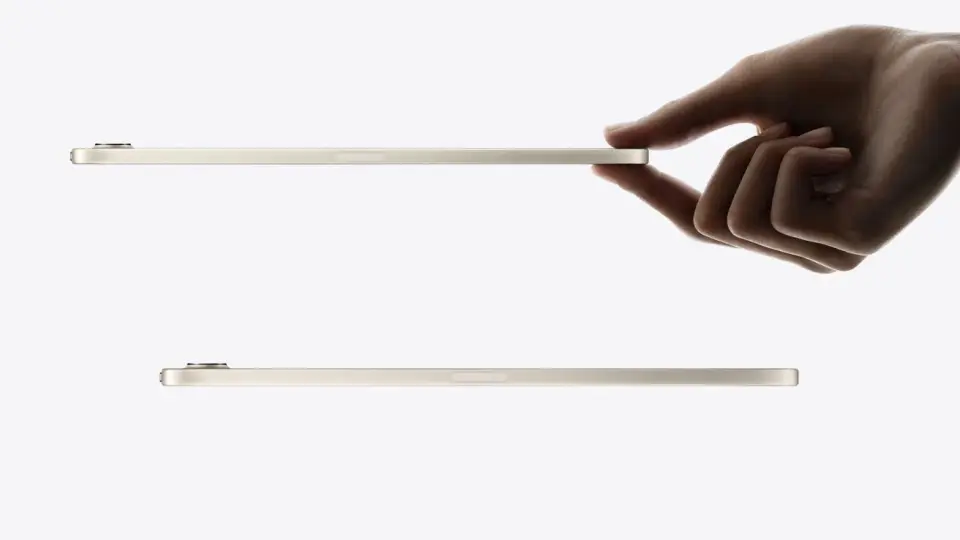
Apple has modified its marketing imagery for the new OLED iPad mini in South Korea to remove a hand gesture that could be interpreted as an insult to male anatomy. While the image displays the device's thin profile globally, the Korean version omits the hand entirely to prevent controversy. This preemptive move follows previous instances where Apple adjusted regional content, such as for the iPhone Air, to navigate cultural sensitivities. The gesture, often associated with mocking manhood size, sparked significant online backlash in 2023 when a similar pose appeared in a video for the game MapleStory, leading to public apologies from developers. Apple’s decision reflects its broader strategy of tailoring marketing materials to avoid regional offense, ensuring that promotional content remains culturally appropriate without compromising the core message of the product's design.
Key points
- Apple replaced a global marketing image for the iPad mini with a version lacking a hand gesture in South Korea.
- The original image showed a hand gripping the device to highlight its thinness, but the gesture resembles a symbol used to mock male anatomy.
- The change was made preemptively to avoid potential backlash, similar to previous adjustments for the iPhone Air in the same region.
- The gesture gained notoriety in 2023 after appearing in a Nexon game video, leading to public apologies and investigations.
- Apple’s regional store in South Korea now displays the iPad mini without the hand, while other global sites retain the original image.
Background
The eighth-generation iPad mini, launched on October 28, 2026, features an 8.5-inch OLED display, the A20 Pro chip, and IP67 water resistance. Priced at $699, the device is thinner and lighter than its predecessor, with pre-orders opening on October 28 and general availability starting November 6. This marketing adjustment occurs shortly after the device's release, highlighting Apple's ongoing efforts to tailor regional content to avoid cultural missteps.
Why it matters
This incident underscores the importance of cultural sensitivity in global marketing strategies for multinational corporations. By proactively adjusting imagery in South Korea, Apple demonstrates its commitment to avoiding regional controversies that could damage its brand reputation. The move also highlights the potential for specific gestures to carry negative connotations in certain cultures, requiring companies to be vigilant in their global marketing efforts. Apple’s preemptive action helps maintain a positive brand image and avoids the backlash that could arise from unintentional offense, ensuring that the focus remains on the product's features rather than cultural missteps.
What to watch
Apple will likely continue to monitor regional feedback and adjust marketing materials as needed to ensure cultural appropriateness. The company may also implement more rigorous checks for potential cultural sensitivities in future product launches to prevent similar issues. Consumers in South Korea will see the adjusted imagery, while other regions will continue to view the original marketing materials. Apple’s approach to regional customization may set a precedent for how other tech companies handle cultural sensitivities in their global marketing strategies.
Want the full story? Read the original reporting
Read on AppleInsider