
Epic Games Mandates AI-First Development, Delaying Disney Shooter
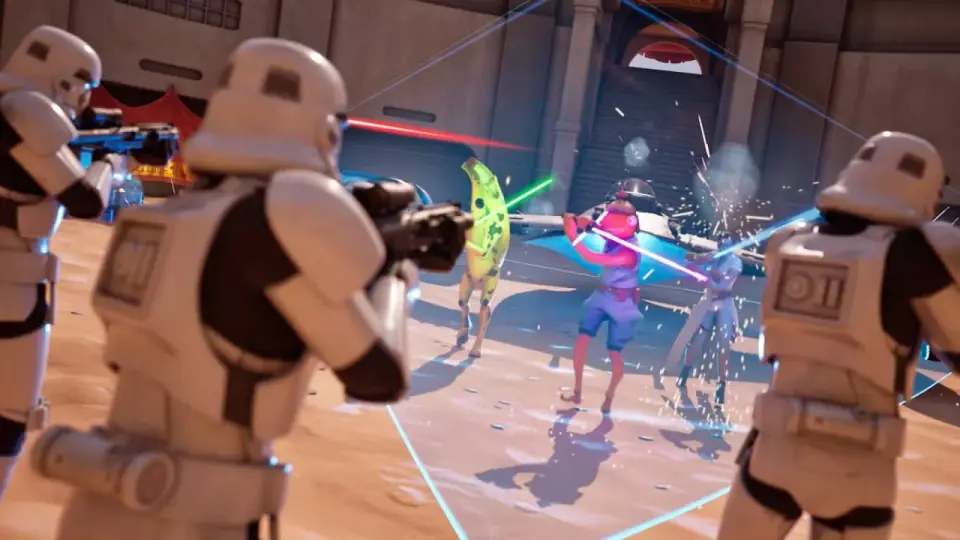
Epic Games is implementing a strict 'AI-first' development strategy, mandating that all code and art for its upcoming Disney collaboration be generated by artificial intelligence. CEO Tim Sweeney confirmed a 'huge pivot' to maximize efficiency, citing a 3x productivity boost by 2026. This shift has led to the indefinite delay of the $1.5 billion Marvel and Star Wars shooter, originally scheduled for March 2027. While Sweeney frames the move as empowering creators, it has sparked significant backlash from developers and critics concerned about job displacement and quality control.
Key points
- Epic Games has officially adopted an 'AI-first' development model, prohibiting hand-written code and requiring all art assets to be generated via AI workflows.
- The $1.5 billion collaboration with Disney, featuring a Marvel and Star Wars shooter, has been delayed indefinitely from its March 2027 release date to accommodate this new development process.
- Tim Sweeney stated that the goal is not to reduce headcount but to increase output, predicting a 3x productivity gain by the end of 2026 through generative tools.
- Internal memos indicate that human developers will now focus on managing and guiding AI models, such as Anthropic's Claude, rather than creating content from scratch.
- The move follows a March 2026 layoff of over 1,000 employees, which Sweeney previously attributed to a downturn in Fortnite engagement rather than AI adoption.
Background
This development follows a series of recent controversies involving Epic Games, including a March 2026 layoff of over 1,000 staff and a 2025 complaint by the actors' union SAG-AFTRA regarding the use of AI to recreate Darth Vader's voice in Fortnite. The company has also faced criticism for its AI-generated launcher preview, which was criticized for being buggy and feature-light compared to competitors like Steam.
How outlets are covering it
Tim Sweeney and Epic Games frame the shift as a necessary 'empowering' measure to survive the AI revolution, aiming to build 'more and better' content with existing staff. In contrast, critics and industry professionals, including game designer Lisha Howen, argue that the move is a cost-cutting measure that degrades artistic quality and threatens jobs. Howen noted that AI-generated art often looks 'terrible' and 'cheap.' Ars Technica highlights the stark contrast between Sweeney's optimism and the backlash from developers who fear job displacement, while BBC reports on the public criticism Sweeney faced on social media, where he dismissed critics as wanting to return to 2016 standards.
Why it matters
This move signals a potential industry-wide shift toward AI-driven game development, setting a precedent for how major studios may handle creative workflows. It raises significant questions about the future of human roles in game design, the quality of AI-generated content, and the ethical implications of using AI to replace traditional creative processes in high-profile collaborations like the one with Disney.
What to watch
Epic Games will likely continue to integrate AI tools into its other projects, including Fortnite and Unreal Engine 5.8, which is expected to add an LLM plugin. The delayed Disney shooter may eventually be released, but its quality and reception will be closely watched as a test case for the 'AI-first' model. The industry may see further debates over AI usage, with potential regulatory or union responses to the increasing reliance on generative tools.
- Epic Games shifts to automation-first development: Tim Sweeney sees a “golden age of gaming” Softonic
- Epic Games Delays Disney Project, Asks Developers to Use More AI Bloomberg.com
- Epic Games CEO Believes A 'Golden Age Of Gaming' Is Imminent Because of AI Polygon.com
- Epic Games reportedly pivoting to "AI first" game development model Ars Technica
- Fortnite-maker Epic Games confirms 'huge pivot' towards using AI BBC
Want the full story? Read the original reporting
Read on Softonic