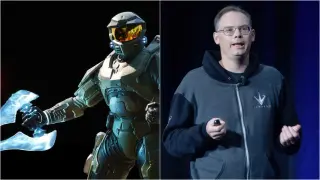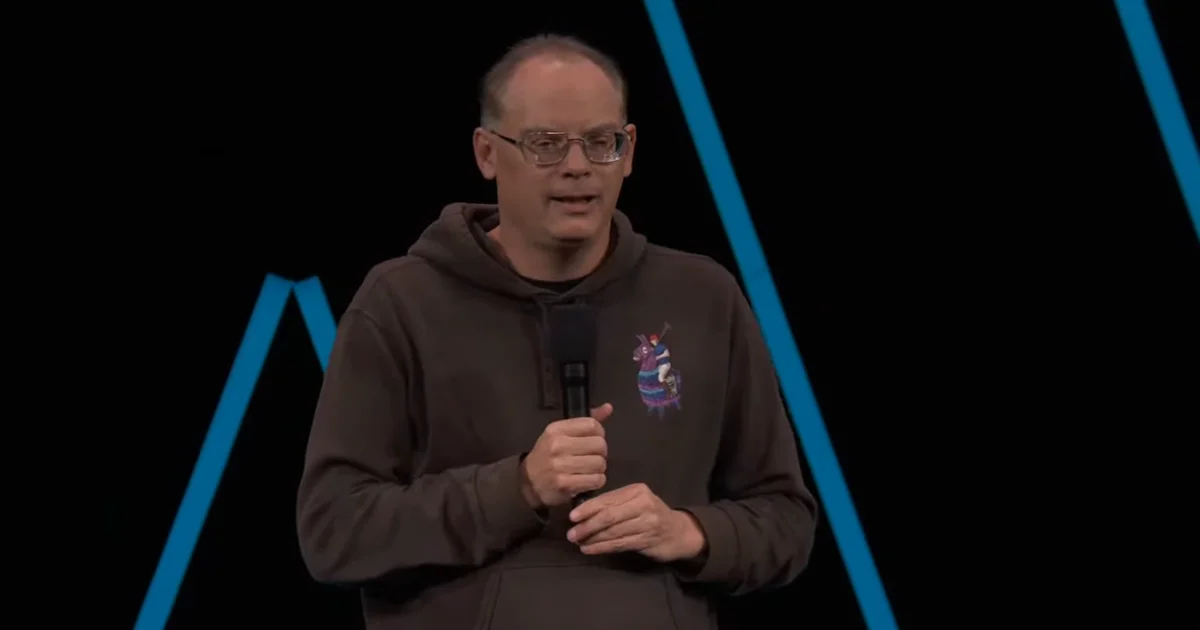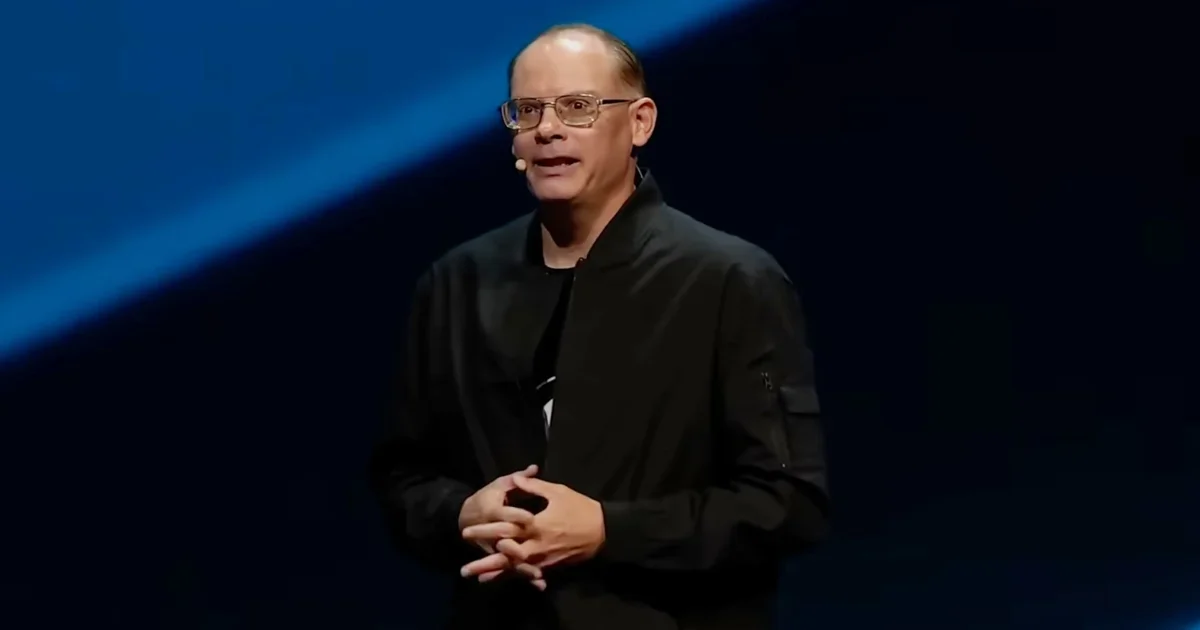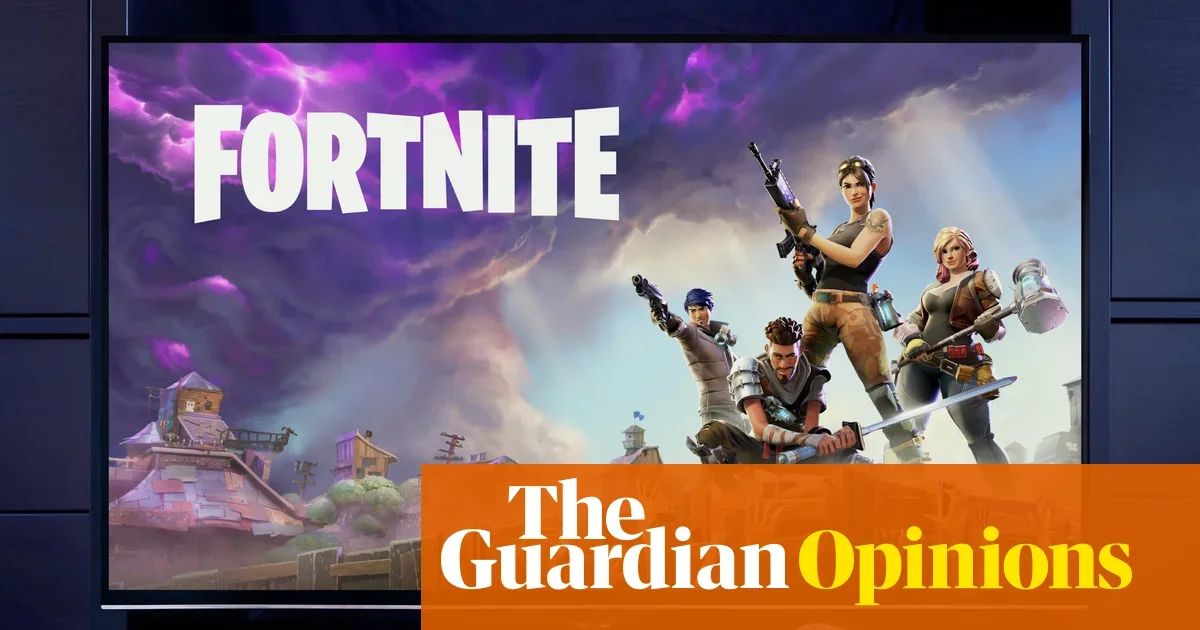
Tim Sweeney mocked Gabe Newell’s Steam Deck price hikes with a quip about rising component costs and megayachts, while Epic Games laid off about 1,000 employees, prompting backlash as Valve’s prices rise and Sweeney’s public persona clashes with rivals.
Epic Games previews Unreal Engine 6 as a gradual, cross-project upgrade designed to unify high-end development with Fortnite’s fast, live-service workflows, including a public Rocket League demo on UE6. Preview builds are expected in about 2.5 years, with a full release targeted for 2028, while UE5 continues to receive updates and tooling aims to work seamlessly across standalone titles and ecosystem experiences.
Epic Games CEO Tim Sweeney praised Xbox for assembling a world-class leadership team under Asha Sharma, signaling a serious dedication to the future of gaming. Sharma thanked Sweeney and said she’s excited to see the team come together at a pivotal moment, as Microsoft continues to hire to strengthen the console side and push its strategic direction.
Epic Games parted ways with Chief People Officer Monika Fahlbusch on April 15, less than a month after announcing more than 1,000 layoffs; the company offered no reason for her departure. Fahlbusch, who joined in 2020, would have overseen the downsizing, which included a terminally ill employee whose life-insurance issue was later addressed by Tim Sweeney.
Epic Games laid off over 1,000 employees, including veteran programmer Mike Prinke who has terminal brain cancer. His wife publicly shared their financial fears. CEO Tim Sweeney apologized and said Epic would solve the life-insurance issue for the family, noting confidentiality around medical information. By March 29 the company was reportedly in the process of resolving the coverage, following criticism of leadership amid Fortnite’s downturn and the mass layoff wave.
Epic Games CEO Tim Sweeney apologized after a mass layoff of more than 1,000 employees left a terminally ill worker without life insurance; the company said it will resolve the insurance issue and extend health coverage, while explaining cuts were driven by Fortnite’s downturn. The layoffs included severance of at least four months’ base pay and six months of health coverage for US staff, along with accelerated stock options as Epic refines its cost structure.
Epic Games has converted a public Google Sheet listing employees affected by its layoffs into a searchable, recruiter-facing website built on Replit; the portal currently lists about 320 people and also adds other developers seeking work, while CEO Tim Sweeney stepped in to resolve a laid-off worker’s loss of cancer-treatment insurance amid industry backlash.
Epic Games laid off more than 1,000 employees, including Mike Prinke, a programmer writer who is battling terminal brain cancer and has lost his life insurance due to the layoff and his pre-existing condition. His family is scrambling to secure new coverage as Epic says it will 'solve the insurance,' with the company already offering severance and extended health care during the process.
Epic Games laid off more than 1,000 employees to cut costs; terminally ill programmer Mike Prinke reportedly lost his life insurance due to the layoff, prompting Tim Sweeney to pledge that Epic will 'solve the insurance' for the family and be in contact, highlighting ongoing concerns about employer-based health coverage in the US.
Former Valve writer Chet Faliszek criticized Epic Games after it laid off more than 1,000 staff, arguing that with no stock-market pressure the company should still respect workers and preserve their sense of agency. He contrasted Epic's culture under Tim Sweeney with Valve, where developers historically had ownership over their work, and pointed to the shuttering of Fortnite projects like Fortnite Rocket Racing, Ballistic, and Festival Battle Stage as signs of a deteriorating environment. Faliszek suggested that Epic’s single‑game, profit-focused approach has eroded employee motivation and retention, and he said he wouldn’t work at a company that doesn’t reward hard work.
Epic Games announced more than 1,000 layoffs after earlier cuts, citing a downturn in Fortnite engagement and broader industry headwinds despite Fortnite generating about $4B annually and Epic roughly $6B in 2025. CEO Tim Sweeney attributes the reductions to slowing growth, higher costs, and substantial expenditures (including legal battles), highlighting the challenges of the live-service model even for one of gaming’s biggest brands. The piece also critiques leadership decisions and the sustainability of ongoing mega-bets in the industry.
Epic Games will lay off more than 1,000 employees (about 20% of its workforce) and cut $500 million in costs as Fortnite engagement downturns, starting in 2025. CEO Tim Sweeney said the moves are needed to keep the company funded amid industry headwinds, with prior layoffs in 2023 and a Disney investment in 2024 shaping the context.
A settlement requires Epic Games and its CEO Tim Sweeney to publicly praise Google’s competitiveness and its app-store operations for five years after Google finishes rolling out Play Store fee changes (expected by Sep 30, 2027), effectively barring negative remarks until after Sep 30, 2032; Epic has also brought Fortnite back to the Google Play Store in response to the changes.
Epic Games CEO Tim Sweeney signed a binding settlement with Google that bars Epic from suing or disparaging Google and requires him to publicly support Google’s app-store changes; the gag lasts until five years after Google finishes its service-fee changes, potentially through 2032.
Epic Games CEO Tim Sweeney backs the UK- approved £656 million ($900 million) lawsuit against Valve, arguing Steam’s policy of forcing publishers to use Valve’s payments and its 30% cut stifles competition; the case seeks refunds for UK gamers who may have overpaid on Steam since 2018, as the Competition Appeal Tribunal allowed the case to proceed, with Sweeney noting that Apple and Google abandoned similar practices after court rulings while Valve counters that Steam keys enable off-store purchases.