
2026 Flagship Face-Off: iPhone 18 Pro vs. Pixel 11 Pro
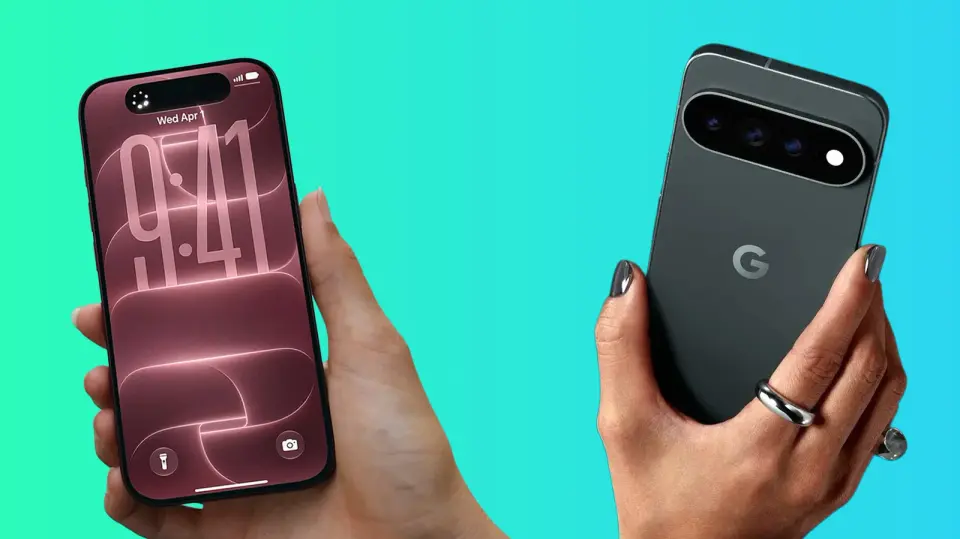
The 2026 flagship smartphones from Apple and Google offer incremental upgrades rather than revolutionary changes. The iPhone 18 Pro emphasizes professional video and manual camera controls, while the Pixel 11 Pro focuses on AI-driven photography and proactive assistance. Both devices maintain high prices and similar form factors, making ecosystem loyalty the primary factor for most buyers.
Key points
- Apple’s iPhone 18 Pro introduces a variable-aperture main camera and advanced video tools like ProRes RAW, targeting professional users.
- Google’s Pixel 11 Pro features 'Camera Looks' for customizable photo processing and 'Rambler' for improved voice-to-text dictation.
- Both phones offer similar pricing, with the Pixel 11 Pro starting at $1,099 and the iPhone 18 Pro at $1,199 for the smaller models.
- The Pixel 11 Pro is slightly lighter and offers longer battery life claims, while the iPhone 18 Pro boasts faster charging speeds.
- Neither device provides a compelling reason to switch ecosystems, as both integrate deeply with their respective platforms.
Background
Previous coverage highlighted that the Pixel 11 Pro series faced criticism for reduced RAM and slower wired charging despite improved cameras and battery life. The foldable variants, including the Pixel 11 Pro Fold and Apple’s iPhone Duo, were noted for their premium pricing and distinct design approaches, with the Pixel offering longer battery life and the Apple model focusing on compactness.
How outlets are covering it
Engadget emphasizes that the two flagships are refinements of mature platforms, with Apple prioritizing user control in cameras and Google leaning into AI automation. The Guardian highlights the Pixel’s superior camera customization and dictation features but notes its high cost and lack of significant hardware leaps. The Mercury News praises the Pixel’s AI integration and keyboard usability but questions the practicality of proactive AI for average users. PetaPixel, focusing on the foldable variant, criticizes Google for iterative updates and inadequate telephoto performance, contrasting it with competitors like Samsung and Honor.
Why it matters
The 2026 flagship releases underscore the stagnation in smartphone innovation, where consumers are increasingly locked into ecosystems due to seamless integration rather than hardware superiority. The shift toward AI-driven features and manual camera controls reflects a divergence in user experience strategies, potentially influencing future purchasing decisions based on workflow preferences rather than spec sheets.
What to watch
Consumers should evaluate their existing device ecosystems and specific needs, such as professional video or AI automation, before upgrading. Future updates may see Apple expand its AI capabilities and Google refine its camera processing, but significant hardware breakthroughs remain unlikely in the near term.
- iPhone 18 Pro Vs Pixel 11 Pro: How Apple And Google's Flagships Stack Up Engadget
- Pixel 11 Pro review: Google’s best pocket camera goes customisable The Guardian
- Larry Magid: Pixel 11 Pro reminds me why I loved Google phones The Mercury News
- Google Pixel 11 Pro Fold Review: Some New Looks but the Same Old Phone PetaPixel
- After a month with the Pixel 11—these are the 4 things not enough people are talking about How-To Geek
Want the full story? Read the original reporting
Read on Engadget