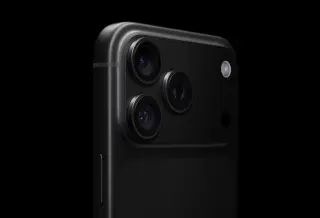
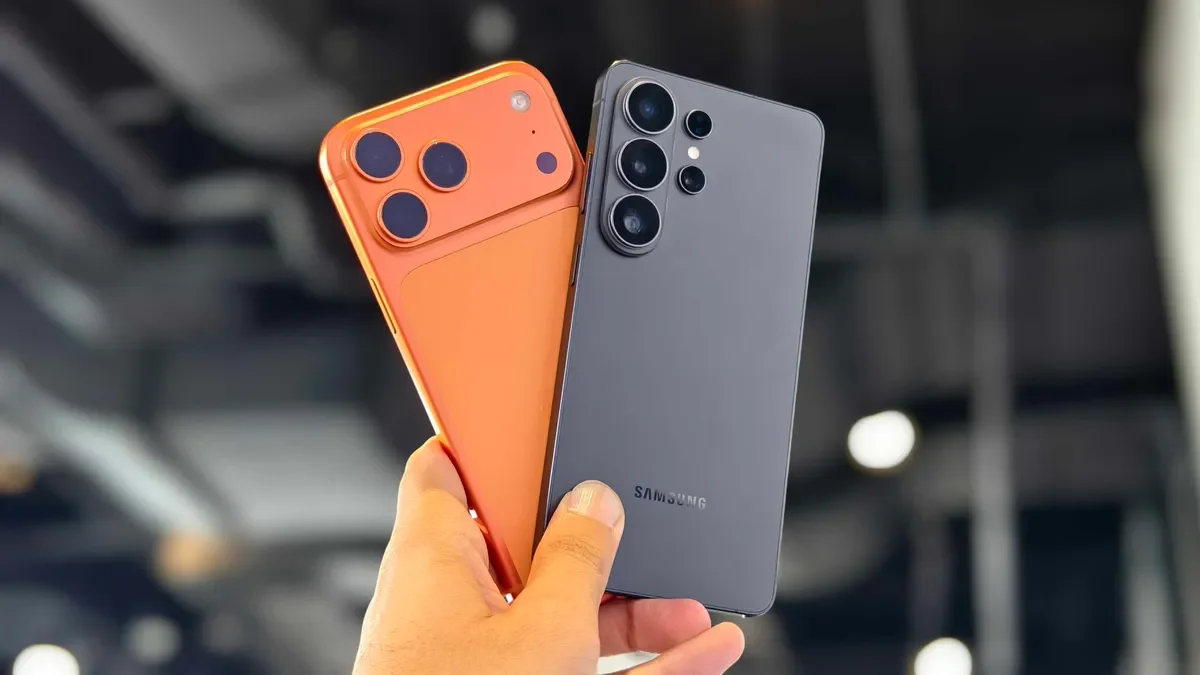
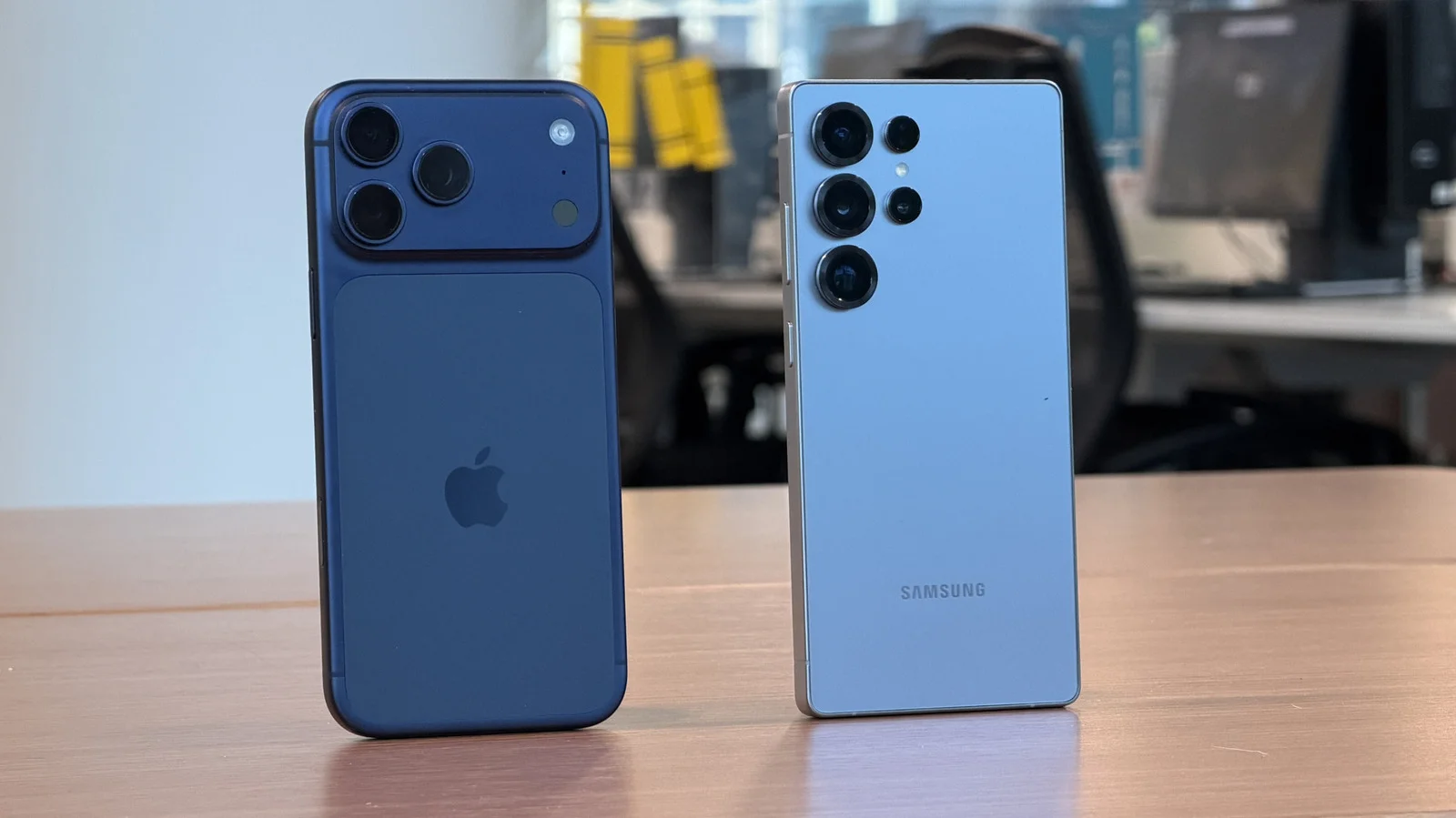
Apple and Google launched their largest flagships at the same $1,299 price point with 256GB storage. The iPhone 18 Pro Max offers superior performance and battery life, while the Pixel 11 Pro XL provides better zoom range and faster charging.
The Google Pixel 11 and Pixel 11 Pro share identical performance, battery life, and charging speeds, but the Pro model justifies its €200 price premium with superior camera sensors and a higher-resolution LTPO display.
The 2026 flagship smartphones from Apple and Google offer incremental upgrades rather than revolutionary changes. The iPhone 18 Pro emphasizes professional video and manual camera controls, while the Pixel 11 Pro focuses on AI-driven photography and proactive assistance. Both devices maintain high prices and similar form factors, making ecosystem loyalty the primary factor for most buyers.
Apple and Google have launched their 2026 flagship phones, the iPhone 18 Pro and Pixel 11 Pro, with similar pricing but distinct hardware and software philosophies. The Pixel 11 Pro starts at $1,099, undercutting the iPhone 18 Pro's $1,199 base price, while both offer 7 years of software support. The Pixel 11 Pro features a 6.3-inch display with 3,600 nits peak brightness and a 50MP main camera, while the iPhone 18 Pro offers a 6.3-inch display with 3,000 nits and a 48MP main camera with variable aperture. Battery life is comparable, with the Pixel 11 Pro rated for 30+ hours and the iPhone 18 Pro for up to 24 hours. The Pixel 11 Pro uses the Tensor G6 chip, while the iPhone 18 Pro uses the A20 Pro chip. The Pixel 11 Pro supports 30W wired charging and 25W Qi2.2 wireless charging, while the iPhone 18 Pro supports 60W wired charging and 25W Qi2 wireless charging. The Pixel 11 Pro runs Android 17, while the iPhone 18 Pro runs iOS 27.
The article surveys Snapdragon 8 Gen 5-powered phones on the market, spotlighting the Motorola Edge 70 Max with a 6.82-inch Quad HD+ 144Hz display, a 7,100mAh battery, 90W wired charging and 25W wireless charging, a large cooling system, and IP68/IP69 protection, and lists regional pricing (India ₹54,999 for 8GB/256GB and ₹59,999 for 12GB/256GB; Europe/UK around £599/€699) to help buyers pick the right flagship.
Samsung's Galaxy S26 Ultra debuts at $1,300 with a 6.9-inch 120Hz OLED, a lighter 7.9 mm frame, and a new Privacy Display that reduces viewing angles; it runs Snapdragon 8 Elite Gen 5 with up to 16GB RAM and 1TB storage, plus an S Pen and a 5,000 mAh battery with 60W charging. Apple’s iPhone 17 Pro Max starts at $1,199, powered by the A19 Pro, with a 48MP triple camera system and a 5,088 mAh battery with around 40W charging; both are IP68 and offer premium features, but Galaxy emphasizes display privacy and AI features, while iPhone is known for camera quality and ecosystem.
SlashGear compares the iPhone 17 Pro Max and Samsung Galaxy S25 Ultra, highlighting iPhone’s up to 2TB storage and FaceID versus Samsung’s built‑in stylus, physical SIM slot, up to 16GB RAM, and a 200MP main camera. Base prices are $1,199 for the iPhone and $1,049.99 for the S25 Ultra. While both phones are excellent, the article leans toward Samsung for better value, more camera options, and extra features, though OS preference remains a key factor.
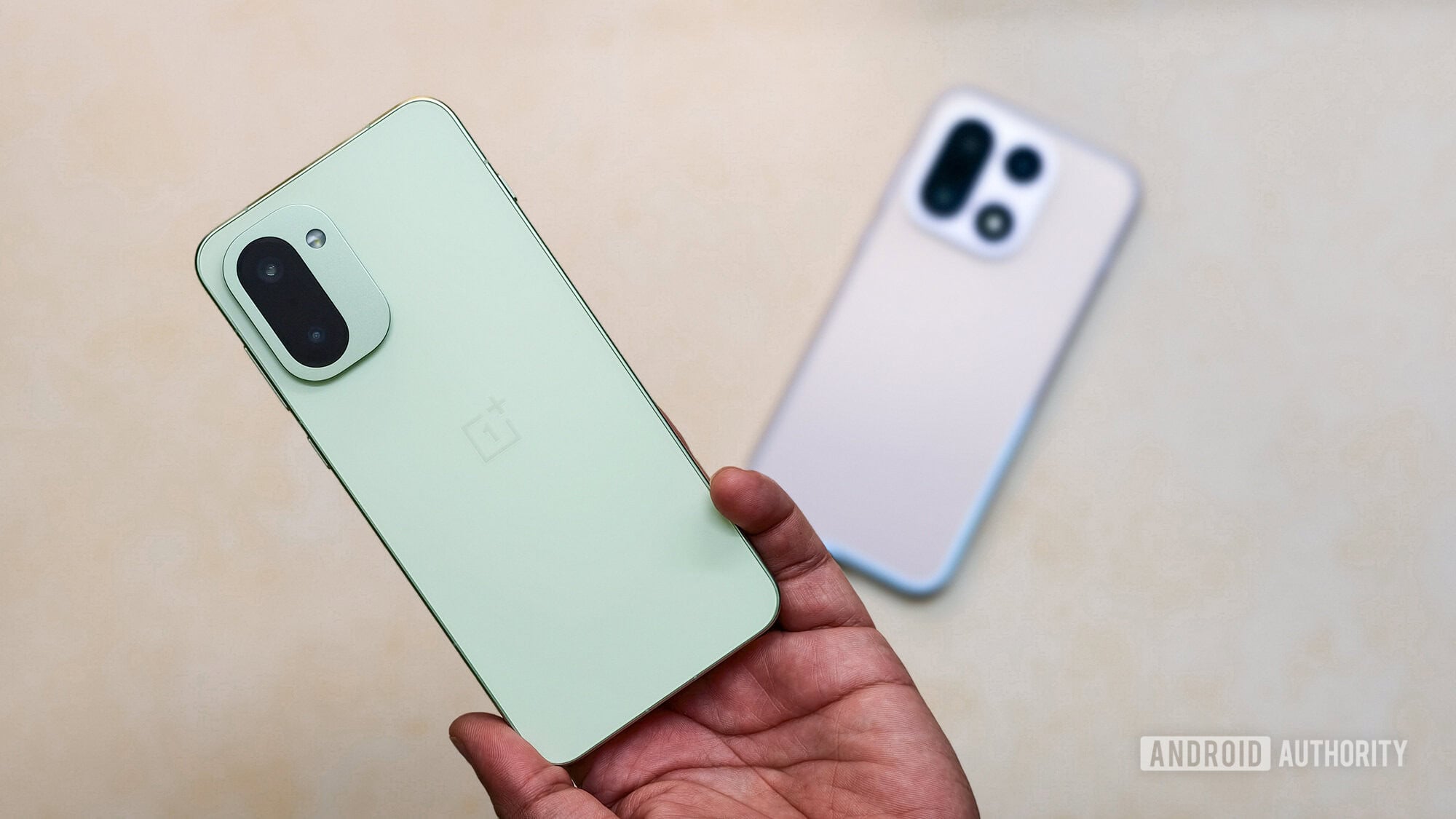
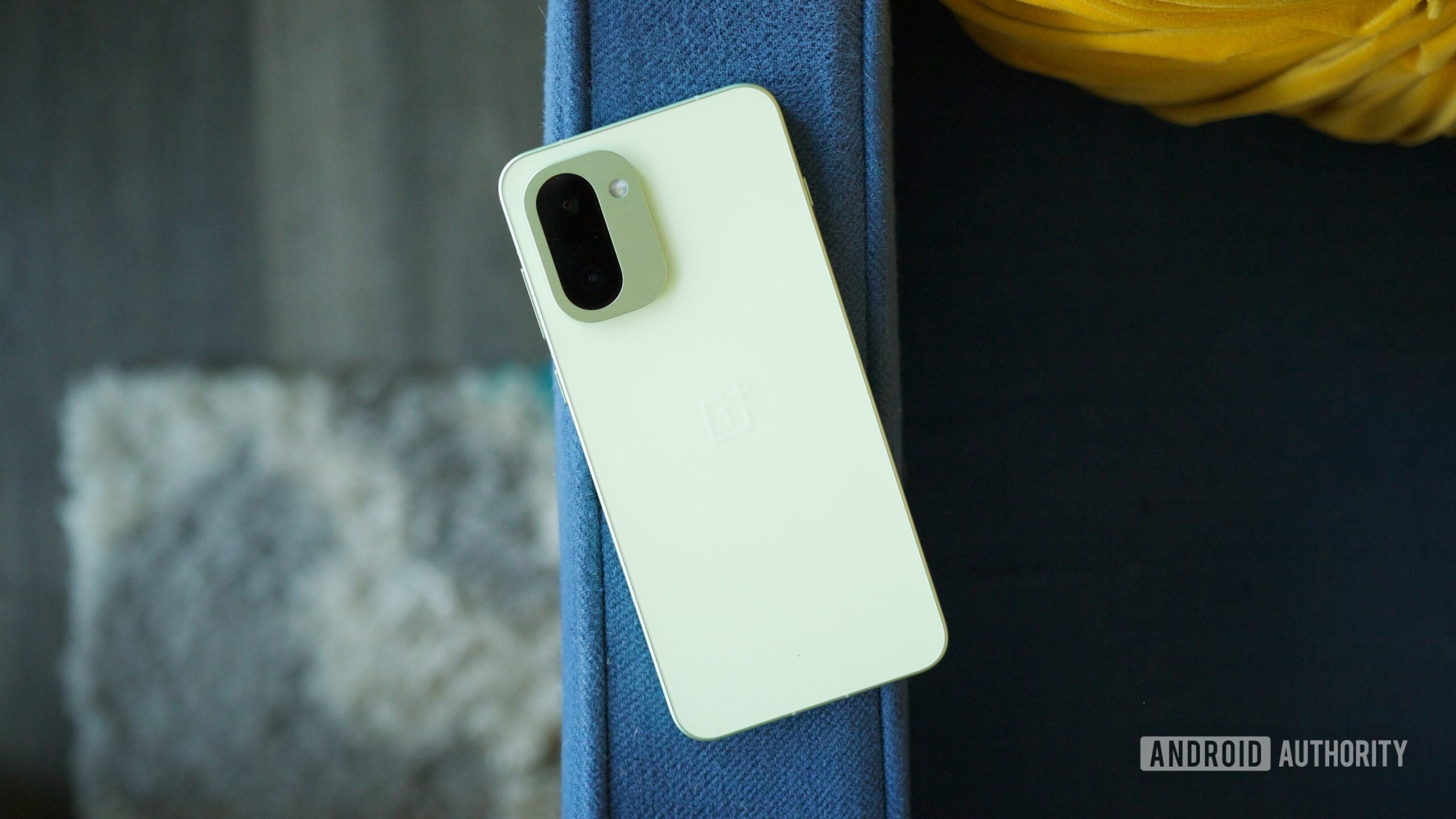
The OnePlus 15R is a compelling alternative to the flagship OnePlus 15, offering similar performance, a larger battery, and better value at a lower price, making it a strong choice for most users despite some camera and aesthetic compromises.
The article reviews the disappointing OnePlus 15R and recommends five better Android phone options: the OnePlus 13R, OnePlus 13, Samsung Galaxy S25 FE, Nothing Phone 3, and Google Pixel 10, highlighting their features, performance, and value.
The author considers switching from the Pixel 9a to the upcoming OnePlus 15R due to its larger battery, faster charging, and premium materials, but is held back by concerns over display size, software support duration, and camera quality, ultimately deciding to stick with the Pixel for now.
The Samsung Galaxy S25 FE is a more affordable version of the Galaxy S25, featuring a larger 6.7-inch display, similar camera systems, but with compromises in processing power, brightness, and build weight. It offers a larger battery and faster charging but has slightly lower camera megapixels and a less powerful processor compared to the Galaxy S25, making it a suitable choice for those who prioritize screen size and battery life over top-tier performance.
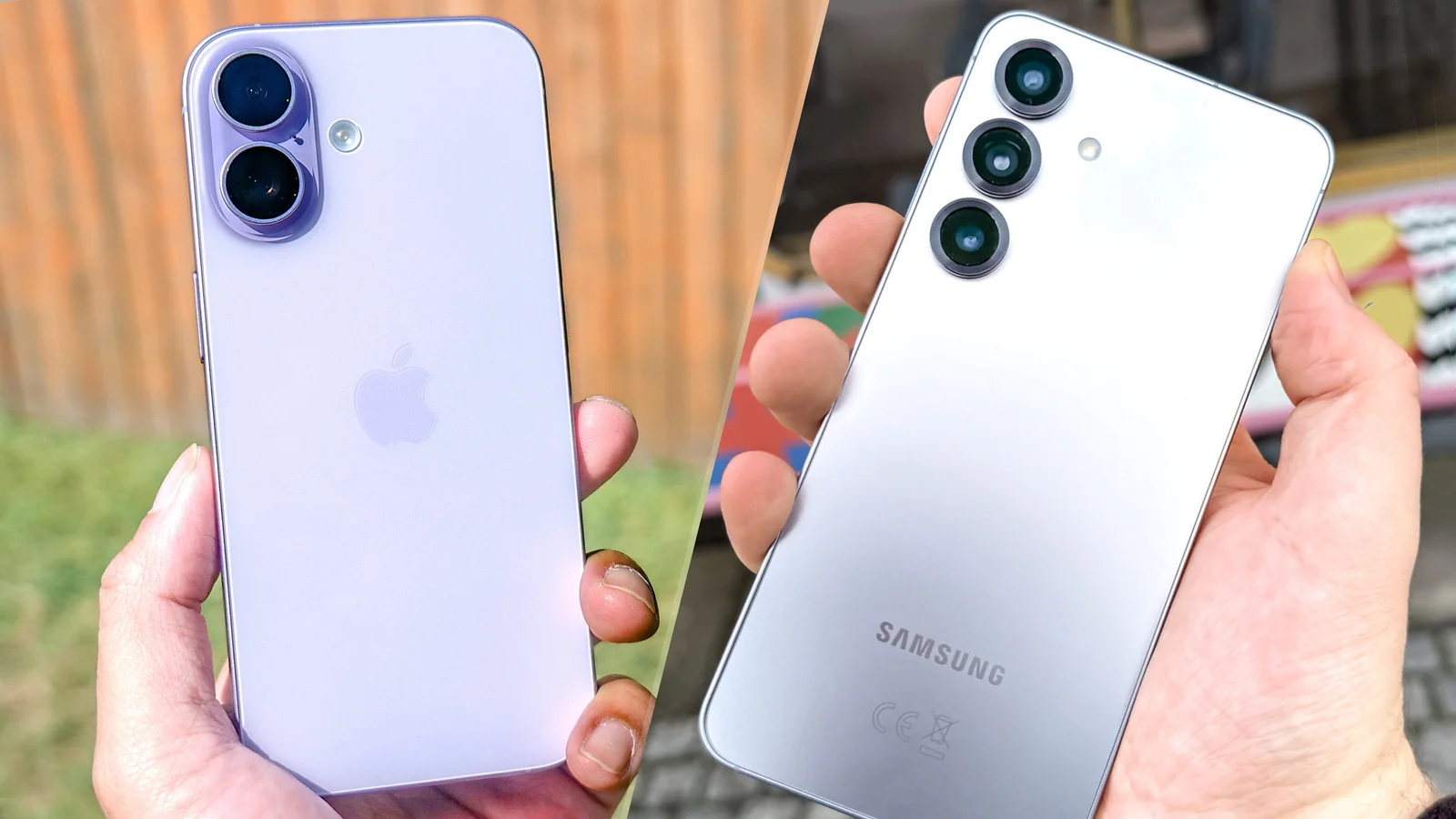
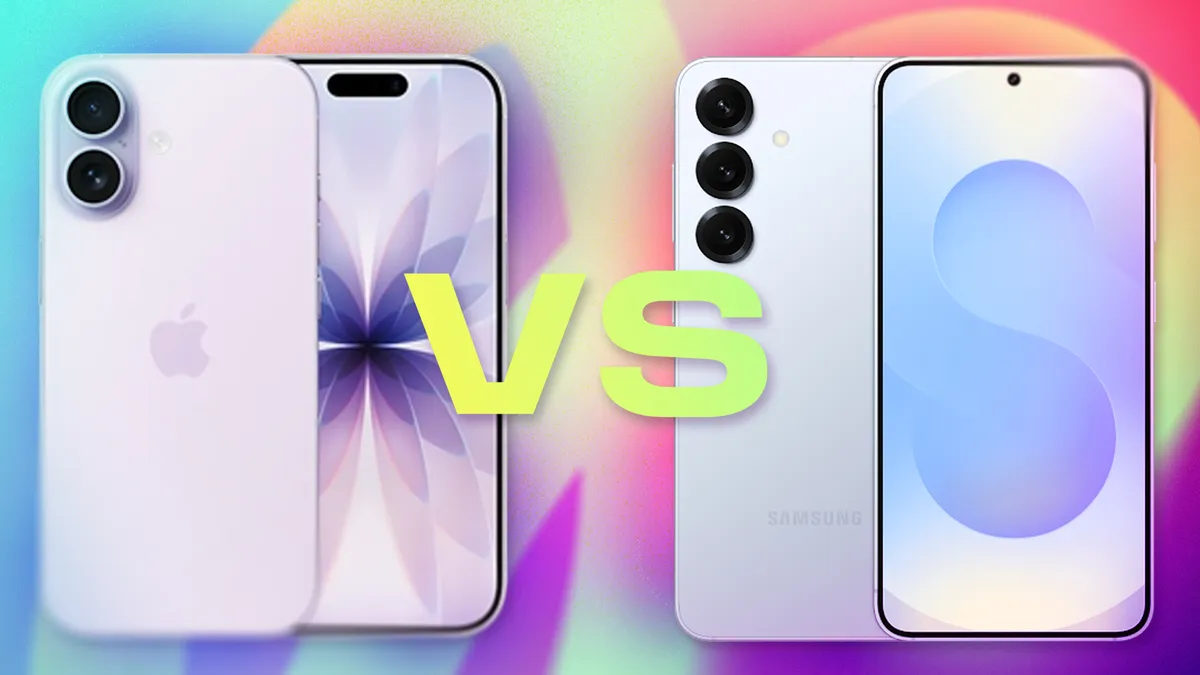
The iPhone 17 and Galaxy S25 are both flagship smartphones with similar starting prices but differ in key areas: the iPhone 17 excels in camera quality, display color accuracy, and charging speed, while the Galaxy S25 offers longer battery life, a brighter display, and more versatile AI features. The choice depends on user preferences for camera, performance, and ecosystem.
Despite being older, the Galaxy S23 Ultra still boasts advantages over the iPhone 17 Pro Max, including a higher pixel density display, a more advanced camera system with higher resolution and zoom capabilities, faster charging, and unique productivity features like the S Pen and Samsung DeX, giving it ongoing bragging rights in 2025.
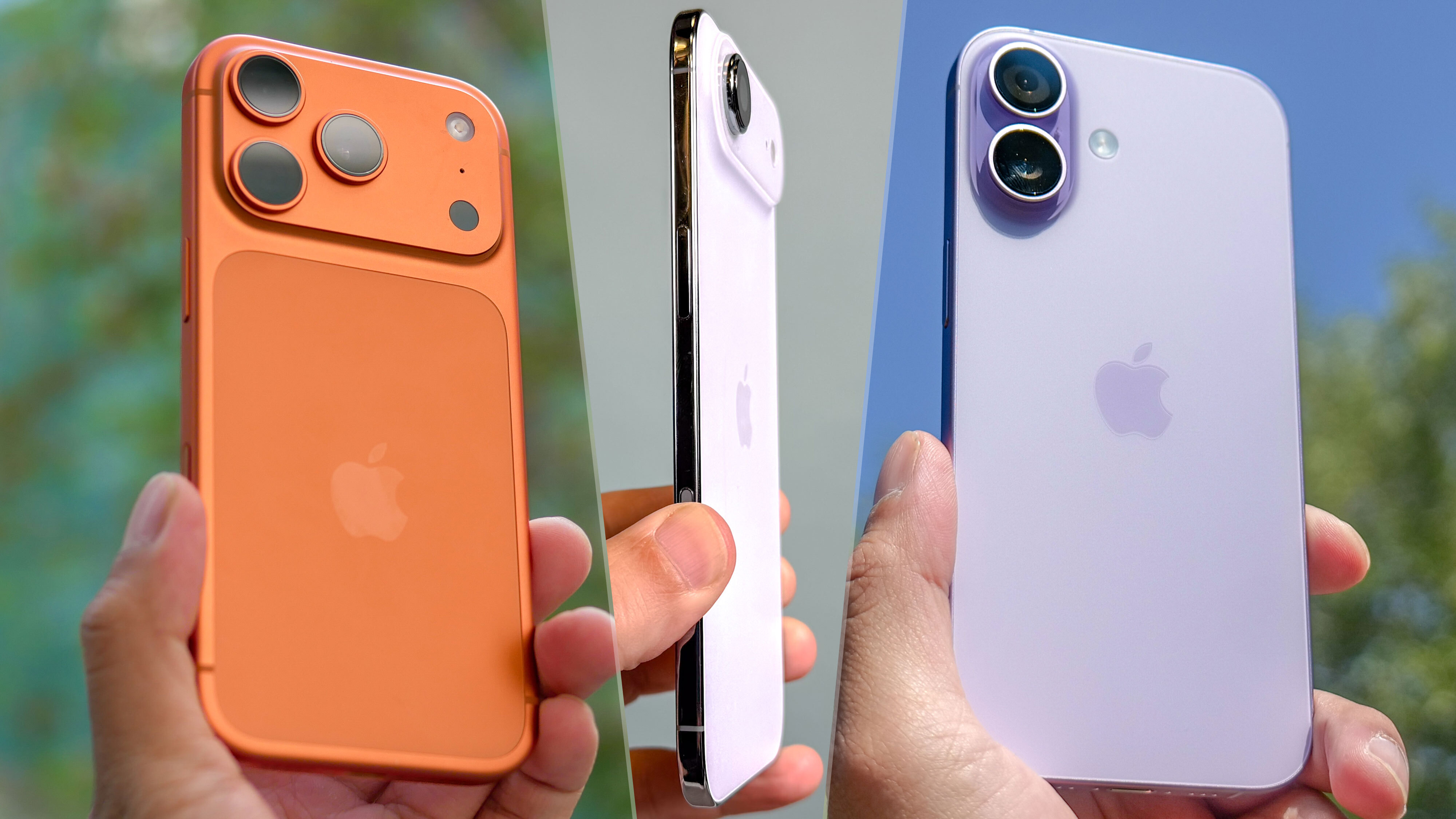
The article compares the new iPhone 17 models with previous iPhones, highlighting significant hardware upgrades like larger screens, better cameras, and improved battery life. It suggests that upgrading from iPhone 13 or older is worthwhile due to substantial performance and camera enhancements, but those with newer models like iPhone 16 or 15 might consider whether the incremental improvements justify an upgrade.
The article compares Apple's iPhone 17 and Samsung's Galaxy S25, highlighting their similar features such as 120Hz displays and comparable battery life, but noting differences in camera setups, display resolution, and pricing, with both phones targeting the $800 market segment.