
Googlebooks Launch with Premium Hardware but Buggy Software
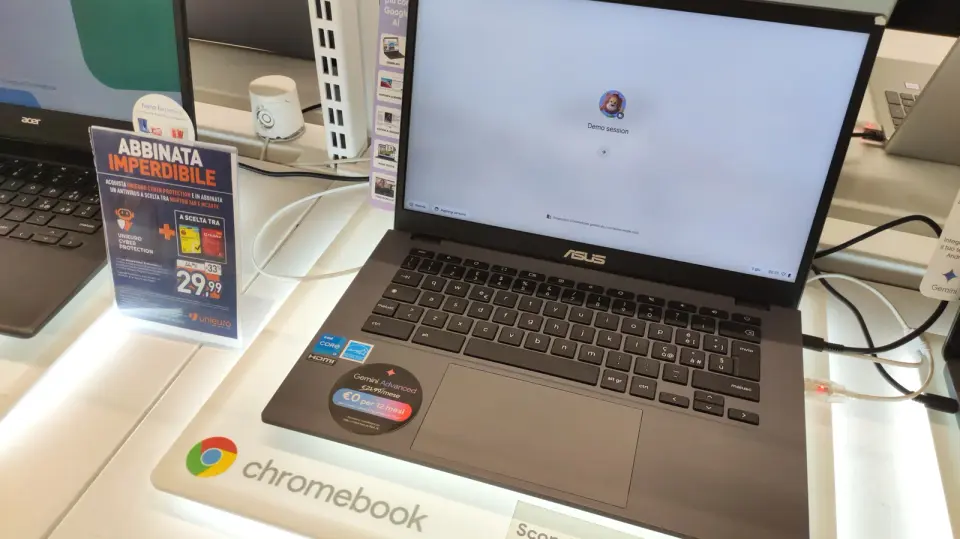
Google’s new Googlebook laptops have launched with premium hardware but suffer from significant software instability. While the devices offer better specs than Chromebooks, the Android-based operating system is riddled with bugs, poor app compatibility, and unreliable phone integration. Early adopters report a frustrating experience, though the hardware itself is praised for its build quality and performance.
Key points
- Googlebooks launched on October 4, 2026, with models from Acer, ASUS, Dell, HP, and Lenovo priced between $899 and $1,299.
- The new OS runs natively on Android, offering better performance than Chromebooks' emulated apps, but suffers from severe compatibility issues and bugs.
- Phone integration is a marquee feature but is currently unreliable, with frequent connection drops and slow file transfers reported by testers.
- Chromebooks remain a viable option for budget-conscious users, with Plus models under $500 and entry-level units under $300, supported until 2034.
- Google is pushing Gemini AI integration, but critics note that the AI features are often intrusive and not always useful for daily tasks.
Background
Googlebooks were announced in September 2026 as the successor to Chromebooks, aiming to replace ChromeOS with an Android-based system. The launch was met with mixed reviews, with early coverage highlighting the premium hardware but criticizing the software as 'underbaked' and prone to app compatibility issues, particularly on Intel-based models.
How outlets are covering it
Engadget emphasizes the price difference, noting that Chromebooks are significantly cheaper and better suited for light tasks, while Googlebooks are better for heavier workloads. The Verge focuses on the software's rocky start, with testers reporting frustration over buggy apps, poor window management, and unreliable phone integration. John Scalzi highlights the hardware quality but criticizes the software's lack of feature-complete desktop apps and the intrusive nature of Gemini AI. Windows Central notes that Microsoft should pay attention but doesn't need to worry, as the Googlebook's software issues are too severe to pose a threat to Windows.
Why it matters
The Googlebook launch marks a significant shift in Google's laptop strategy, moving from ChromeOS to an Android-based system. The success of this transition will depend on Google's ability to fix the software's numerous bugs and improve app compatibility. For consumers, the choice between Chromebooks and Googlebooks will depend on their budget and needs, with Chromebooks remaining a viable option for budget-conscious users and Googlebooks offering a more premium but currently buggy experience.
What to watch
Google is expected to release software updates to address the bugs and compatibility issues reported by early adopters. The company will also need to work with developers to improve app optimization for the Googlebook OS. In the long term, the success of the Googlebook will depend on its ability to compete with Windows and macOS laptops, which will require significant improvements in software stability and app compatibility.
- Are Chromebooks Still Worth Buying After The Googlebooks Release? Engadget
- A week with Googlebooks: four notes from our testing so far The Verge
- Googlebook OS review: A post-smartphone PC, if Google can keep it 9to5Google
- I tested a new Googlebook as a lifelong Windows user, and I don't think Microsoft has anything to worry about. Windows Central
- First Impressions: Dell XPS Googlebook and the Googlebook OS John Scalzi's Whatever
Want the full story? Read the original reporting
Read on Engadget