
Kohler Launches Dekoda, a Toilet-Attached Tracker for Gut Health and Hydration
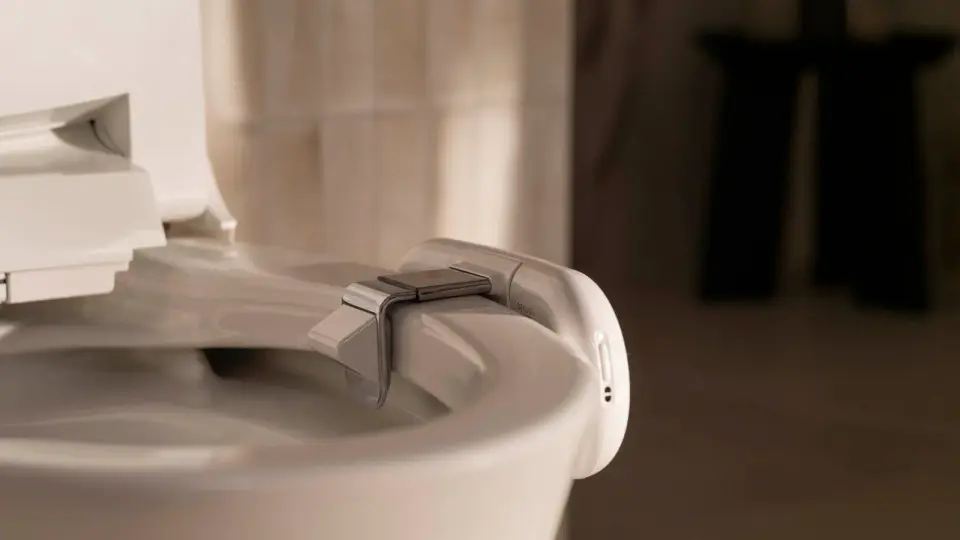
Kohler Health has released Dekoda, a device that clips onto toilet bowls to monitor gut health, hydration, and blood presence. The tracker uses optical sensors and spectroscopy to analyze waste, targeting older adults and those with chronic conditions. It was launched in October 2025 and aims to destigmatize routine health monitoring by providing objective data for users and doctors.
Key points
- Kohler Health, a spin-off of the American bathroom brand Kohler, developed Dekoda as a health tracker that attaches to the side of a toilet bowl.
- The device is the first in its category capable of detecting blood in waste, using sensors that identify haemoglobin to flag potential issues.
- Dekoda utilizes a camera and advanced optical sensors to analyze the quantity, color, and consistency of urine and stool via spectroscopy.
- The hardware features a white polycarbonate capsule with a magnetic, removable battery for charging and a stainless steel clamp for durability.
- A wall-mounted fingerprint scanner allows users to log in, while an accompanying app displays insights and tracks trends over time.
- The system is designed to help users share data with doctors and adjust behaviors based on hydration and gut health metrics.
Background
This development follows a broader trend in wellness technology expanding beyond traditional wrist-worn devices. In October 2026, Google launched the Fitbit Edge, a mid-tier tracker with a replaceable battery and advanced health sensors, signaling a shift toward more diverse and durable health monitoring hardware. While the Fitbit Edge focuses on heart rate and recovery, Dekoda represents a niche entry into fluid analysis, joining other emerging devices that analyze body fluids such as saliva and menstrual blood to provide health insights.
Why it matters
Dekoda addresses a gap in health monitoring by focusing on gut health and hydration, areas often overlooked by standard wearables. By making the detection of subtle biological markers, such as microscopic blood or early dehydration, accessible and routine, the device could improve early diagnosis and management for chronic conditions. Its design aims to reduce the stigma associated with tracking waste, potentially encouraging more consistent health monitoring among older adults and those with conditions like Crohn’s disease.
What to watch
Kohler Health will likely expand the user base for Dekoda by integrating more features into its app, such as deeper analysis of meal and medication logs. The company may also explore partnerships with healthcare providers to facilitate the sharing of data for clinical purposes. As the market for toilet-based health trackers grows, competitors may introduce similar devices with enhanced capabilities, potentially leading to a more competitive landscape in home health monitoring.
Want the full story? Read the original reporting
Read on Dezeen