
M6 Mac mini benchmarks confirm significant CPU leap over M4
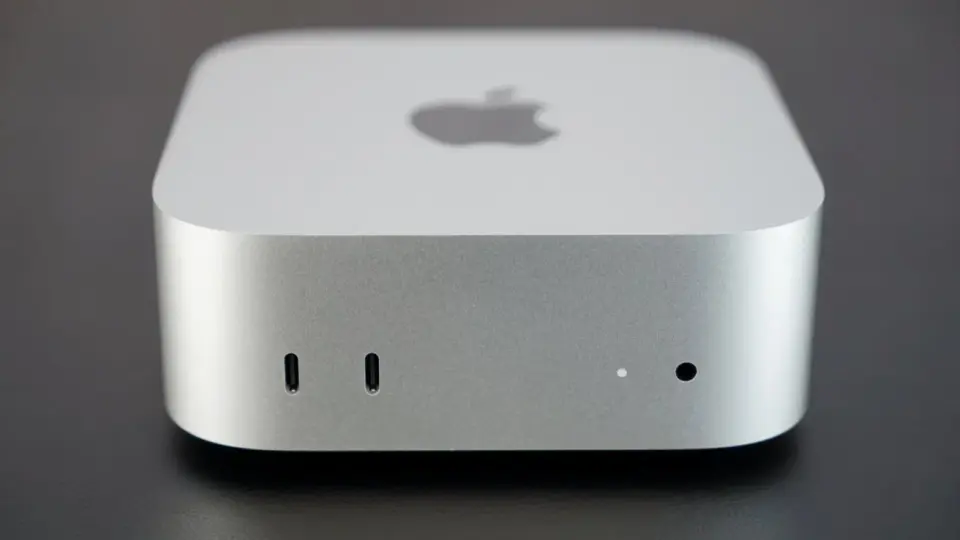
Early Geekbench 7 results for the Apple M6 chip in the new Mac mini show substantial CPU performance gains. The 12-core processor achieves a single-core score of 4,071 and a multi-core score of 22,783. These figures represent a 24% improvement in single-core and a 48% increase in multi-core performance compared to the previous M4 model. The M6 also outperforms the M2 and M1 chips by wide margins, confirming Apple's claims of a major performance boost for the device launching in September.
Key points
- The M6 Mac mini, introduced in late August, has posted its first Geekbench 7 CPU results.
- Single-core performance reached 4,071, a 24% increase over the M4 Mac mini.
- Multi-core performance hit 22,783, marking a 48% improvement over the M4.
- The M6 chip features a base frequency of 4.78GHz, up from 4.4GHz on the M4.
- The new Mac mini is set to launch on September 22, alongside the Mac Studio.
Background
Apple announced the M6 Mac mini in late August, featuring a 12-core CPU and dual 16-core Neural Engines. Previous archive reports noted that early engineering samples showed mixed results, with some benchmarks indicating the M6 lagged behind the A20 Pro in single-core tasks but led in multi-core performance. The current benchmarks align with Apple's claim that the M6 offers the world's fastest single-threaded CPU performance for its class.
How outlets are covering it
AppleInsider highlights the massive generational leap, noting the M6 is 89% faster than the M1 in single-core tasks. MacRumors contextualizes the M6 within Apple's broader chip hierarchy, showing it sits below the M5 Ultra but above the M5. Wccftech focuses on the M5 Ultra's dominance in workstation tasks, contrasting it with AMD's Ryzen Threadripper, but does not directly compare the M6. Notebookcheck emphasizes the M6's debut on TSMC's 2nm node and its improved energy efficiency, noting its CPU performance rivals the older M4 Pro. While AppleInsider and MacRumors agree on the raw numbers, Notebookcheck adds technical context regarding the manufacturing process and memory bandwidth, which the other outlets omit.
Why it matters
These benchmarks validate Apple's marketing claims of a significant performance boost for the M6 Mac mini. For consumers, the 48% multi-core improvement suggests tangible benefits for productivity and creative workloads. The results also confirm the viability of Apple's transition to 2nm technology, offering better performance per watt compared to previous generations. As the device launches in September, these early scores set the baseline for expected real-world performance.
What to watch
More comprehensive benchmarks, including GPU and AI performance tests, are expected as consumers receive their hardware. AppleInsider notes that only one CPU listing currently exists, so additional results will solidify the figures. The official launch of the M6 Mac mini and M5 Ultra Mac Studio is scheduled for September 22, which will likely trigger a wave of verified benchmark data.
- First M6 benchmarks reveal how much raw power the Mac mini has appleinsider.com
- M5 Ultra Demolishes The 96-Core Ryzen Threadripper PRO 9995WX CPU In New Geekbench 7 Scores; Obtains 11% Higher Multi-Core Score With Less Than Half The Number Of Cores Wccftech
- M5 Ultra Chip's Impressive Performance Boost Revealed in First Benchmark Result MacRumors
- Apple M6 Processor - Benchmarks and Specs Notebookcheck
- Apple Signals the Rise of Local AI Doug Levin | Substack
Want the full story? Read the original reporting
Read on appleinsider.com