
NVIDIA RTX Kit 2026.3 and Mega Geometry 2.0 SDKs Launch Ahead of Gears of War: E-Day
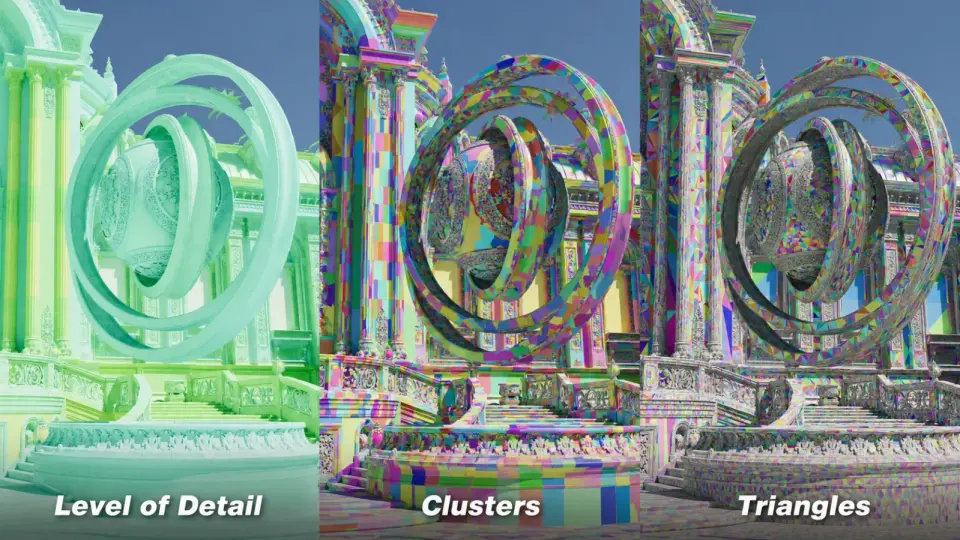
NVIDIA released RTX Kit 2026.3 and RTX Mega Geometry 2.0 SDKs, introducing advanced neural rendering, path tracing, and high-density geometry streaming. The updates include ARM64 support for the upcoming RTX Spark platform and aim to enable full-detail ray tracing in games like Gears of War: E-Day, overcoming previous limitations in Unreal Engine’s Nanite technology.
Key points
- RTX Kit 2026.3 adds updates to Character Rendering, Dynamic Illumination, Neural Texture Compression, Neural Shading, and Texture Filtering, including new Collaborative Texture Filtering.
- RTX Mega Geometry 2.0 enables streaming of continuous level-of-detail clusters for high-density meshes, demonstrated in the Zorah demo.
- The new SDKs add Windows ARM64 support, preparing for the launch of NVIDIA’s RTX Spark devices next month.
- Gears of War: E-Day will be the first game to integrate RTX Mega Geometry 2.0 with Unreal Engine’s Nanite, allowing full-detail ray tracing instead of falling back to low-detail static meshes.
- NVIDIA states that the technology will eventually be adopted into Microsoft’s DXR 2.0 standard.
Background
NVIDIA previously unveiled DLSS 5 neural rendering at SIGGRAPH 2026, initially exclusive to RTX 50-series GPUs. Recent archive reports indicate that while DLSS 5 faces performance challenges on older hardware, NVIDIA has been optimizing the technology, with some unofficial mods already enabling it on RTX 30-series cards. The current SDK release expands on these neural rendering efforts by focusing on geometry and texture workflows, moving beyond just frame generation to enhance the underlying rendering pipeline.
How outlets are covering it
Wccftech and TechPowerUp emphasize the technical breadth of the new SDKs, highlighting the addition of ARM64 support and the specific updates to neural texture and shading tools. NVIDIA’s official developer blog provides deeper insight into the developer controls for DLSS 5, noting that while the technology preserves artistic intent, it requires significant hardware power. IEEE Spectrum offers a critical perspective, noting that DLSS 5 has faced backlash from artists for potentially imposing a uniform aesthetic and from gamers for causing severe performance drops, with Digital Foundry reporting 40-60% performance hits in initial tests. NVIDIA counters this by citing a 5x performance improvement since the March 2026 preview and emphasizing that the new Mega Geometry technology aims to solve the specific issue of ray tracing falling back to low-detail meshes in Unreal Engine.
Why it matters
These SDK updates are crucial for the future of real-time graphics, as they bridge the gap between high-density geometry and ray tracing. By enabling full-detail ray tracing in games like Gears of War: E-Day, NVIDIA is addressing a major limitation in current game engines. The expansion to ARM64 also signals NVIDIA’s intent to integrate its high-end rendering technologies into new, efficient form factors like the RTX Spark, potentially changing the landscape for portable and desktop AI-driven graphics.
What to watch
Gears of War: E-Day is scheduled to launch on October 6, 2026, serving as the first major test of RTX Mega Geometry 2.0. NVIDIA’s RTX Spark devices are expected to arrive next month, likely featuring the ARM64 support detailed in the new SDKs. Further optimizations for DLSS 5 are expected later this year, with NVIDIA aiming to reduce performance penalties to 10-15% by year's end.
- NVIDIA Unleashes The Next Chapter of Neural Rendering & Path Tracing With RTX Kit SDK While RTX Mega Geometry 2.0 SDK Gives Devs the Ability To Stream Insane Levels of Detail Wccftech
- What’s New for Game Developers: DLSS 5 with 3D-Guided Neural Rendering, NVIDIA ACE Updates, and New RTX Kit Capabilities | NVIDIA Technical Blog NVIDIA Developer
- Neural Rendering Paints Game Worlds With Shockingly Real Light IEEE Spectrum
- NVIDIA Releases RTX Kit 2026.3 and RTX Mega Geometry 2.0 SDK for Developers TechPowerUp
- I installed DLSS 5 in Cyberpunk 2077 and Red Dead Redemption 2, and now I get the hype MakeUseOf
Want the full story? Read the original reporting
Read on Wccftech