
RTX Spark laptops deliver top-tier local AI performance at a premium price
Nvidia's RTX Spark laptops, powered by the N1X Arm-based superchip, have launched globally with strong local AI capabilities but face criticism for high prices and thermal constraints.
Key points
- The N1X chip features up to 128GB of unified memory and 6,144 CUDA cores, offering 1 petaflop of AI compute.
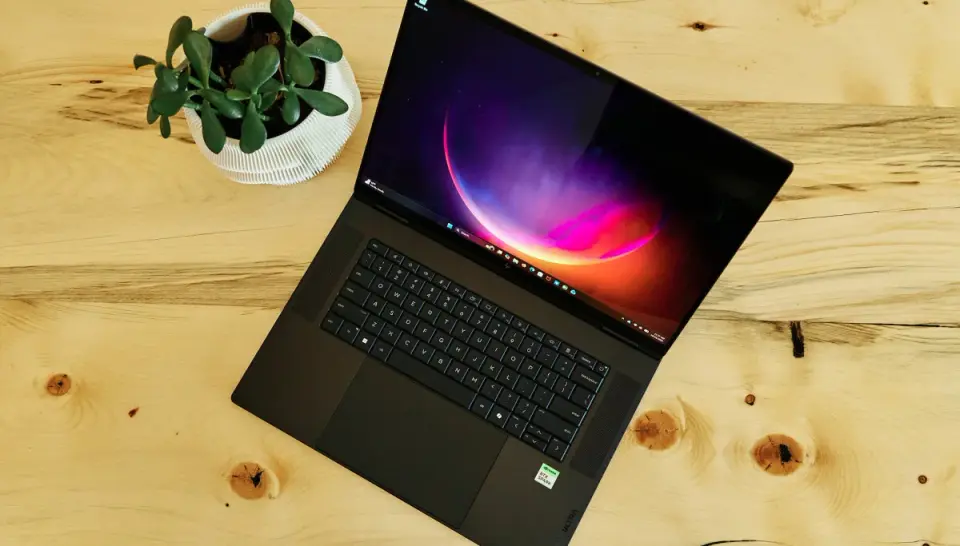
- HP's OmniBook Ultra 16 review unit weighs 4.89 lbs and features a 16-inch OLED display.
- Prices start at $2,399, with top-tier configurations exceeding $6,000.
- Local AI performance is strong, but Windows memory allocation limits can affect model loading compared to Linux systems.
- Launch events in Berlin, Beijing, and San Francisco drew large crowds, though sales remain limited by cost.
Background
Nvidia launched the RTX Spark platform on October 16, 2026, introducing Arm-based Windows laptops from multiple manufacturers. Earlier coverage noted that while the devices offer significant AI power, they face trade-offs in gaming performance and battery life compared to Apple and Qualcomm competitors. The platform is based on the GB10 chip, which previously launched in the Linux-based DGX Spark over a year ago.
How outlets are covering it
The Register emphasizes the premium build quality and strong local AI performance of the HP OmniBook Ultra 16, noting that while the $2,600+ price tag is steep, the device is ideal for AI enthusiasts and creative professionals who prefer Nvidia's CUDA ecosystem. Nvidia's official blog highlights the global launch celebrations and the chip's 1 petaflop AI compute capability, framing the product as a major milestone for portable AI. Windows Central notes that reviewers are hailing the laptops as true MacBook Pro competitors due to their AI power and creator-focused performance. ServeTheHome focuses on the strategic move of Nvidia arming Windows with high-end AI capabilities, though the provided text was largely truncated. All sources agree on the high price point and the strong AI performance, but differ in emphasis: The Register focuses on the hardware trade-offs, while Nvidia and Windows Central focus on the competitive positioning against Apple.
Why it matters
The RTX Spark platform represents a significant shift in the Windows laptop market, offering high-end local AI capabilities that were previously only available in desktop workstations or Apple's walled garden. This could change how developers and creative professionals approach local AI workflows, potentially reducing reliance on cloud-based AI services. However, the high price and thermal constraints may limit adoption to a niche market of enthusiasts and professionals with specific needs.
What to watch
Nvidia is expected to release additional RTX Spark systems from other manufacturers in the coming months. The company is also promoting 'hybrid intelligence' through Microsoft's Copilot+ PCs, which can route prompts between local and remote models based on complexity or privacy. Further reviews and benchmarks comparing the RTX Spark to AMD Strix Halo and Apple M5 Max systems are expected to provide a clearer picture of its competitive position.
- Benchmarked: Nvidia's RTX Spark notebook delivers serious local AI compute, at a price The Register
- RTX Spark Ignites Global Celebration as New Windows PCs Arrive NVIDIA Blog
- NVIDIA RTX Spark N1X Launch Overview: NVIDIA Arms Windows ServeTheHome
- RTX Spark laptops are being called MacBook Pro killers for AI and creators — here’s why reviewers are impressed Windows Central
- HP’s OmniBook Ultra 16: Our First Look at RTX Spark Is a Promising Start CNET
Want the full story? Read the original reporting
Read on The Register