
TP-Link Cameras Integrate with Google Home via Live Feed Streaming Only
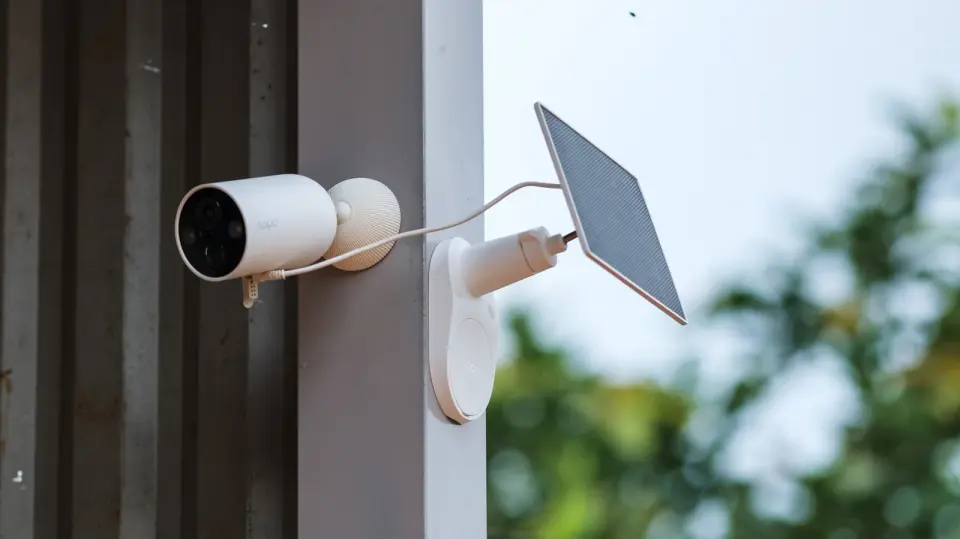
TP-Link Tapo and Kasa cameras are compatible with Google Home, allowing users to stream live video feeds to Chromecast or Nest displays via voice commands. This integration requires linking accounts through the Tapo app and does not require premium subscriptions. However, voice control is limited to displaying feeds; toggling cameras on or off is disabled for security reasons. While local storage minimizes cloud dependency, concerns remain regarding data security due to the company's historical ties to China and potential encryption vulnerabilities, though the brand now operates as a separate entity from its Chinese counterpart.
Key points
- Compatibility: Most TP-Link Tapo and Kasa cameras work with Google Home, enabling live feed streaming to compatible media players like Chromecast and Google Nest displays.
- Setup: Users must sync devices in the Tapo app and link their Google Assistant account via the Third-Party Services menu; firmware updates may be required before connection.
- Limitations: Voice commands are restricted to displaying live feeds; turning cameras on or off via voice is disabled to prevent unauthorized access to surveillance feeds.
- Automation: Users can create 'smart actions' within the Tapo app for automations like turning devices off when leaving home, which can be triggered via IFTTT and Google Assistant, though the free IFTTT tier limits users to two applets.
- Security: TP-Link emphasizes local storage to keep data on-device, but questions persist regarding encryption protocols and data processing, particularly for AI-enabled models like the C225, despite the company's 2024 separation from its Chinese parent.
Background
This development follows broader trends in smart home interoperability, where open ecosystems are increasingly valued for versatility. Recent coverage noted that while Google’s Gemini for Home offers conversational AI, it remains less reliable for routine smart home tasks compared to competitors like Alexa, highlighting the importance of stable third-party integrations. Additionally, the shift toward local processing in security devices reflects a growing consumer preference for privacy-focused hardware that minimizes cloud dependency, a trend TP-Link’s subscription-free model aligns with.
Why it matters
For consumers seeking affordable, subscription-free security solutions, TP-Link’s compatibility with Google Home offers a viable path to voice-controlled monitoring without the recurring costs associated with many competitors. However, the limited scope of voice commands and lingering security concerns regarding encryption and data handling require careful consideration. As smart home ecosystems become more fragmented, understanding which devices support which platforms is crucial for building a cohesive and secure home network, particularly for users prioritizing privacy and local data storage.
What to watch
Users should ensure their TP-Link devices have the latest firmware and are linked to Google Assistant via the Tapo app to enable live feed streaming. Those interested in advanced automations may need to evaluate IFTTT subscription costs, as the free tier restricts the number of active applets. Continued monitoring of TP-Link’s security updates and data processing practices, especially for AI-enabled models, will be important for assessing long-term privacy risks.
Want the full story? Read the original reporting
Read on bgr.com