
Advancements in AI allow for non-invasive mind-reading through brain scans.
TL;DR Summary
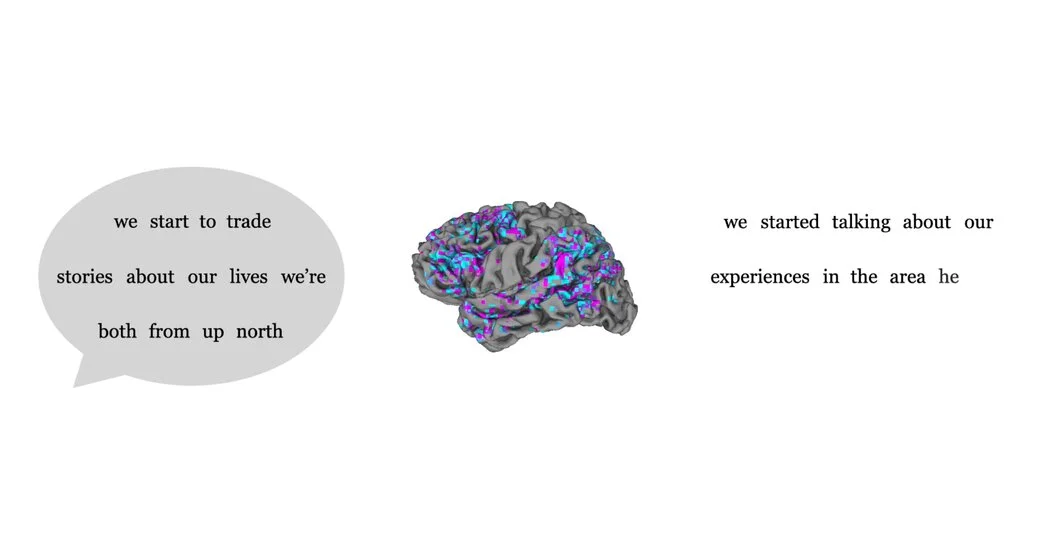
Researchers from the University of Texas, Austin, have developed an A.I. that can translate the private thoughts of human subjects by analyzing fMRI scans, which measure the flow of blood to different regions in the brain. The language decoder is one of the first to not rely on implants and was able to turn a person’s imagined speech into actual speech and generate relatively accurate descriptions of silent films. However, the method has limitations, including the need for bulky and expensive fMRI scanners and the requirement for individual training.
Topics:top-news#ai#artificial-intelligence#brain-computer-interface#fmri#language-decoding#neuroscience
- A.I. Is Getting Better at Mind-Reading The New York Times
- Neuroscientists decoded people's thoughts using brain scans Science News Magazine
- Scientists Use GPT AI to Passively Read People's Thoughts in Breakthrough VICE
- AI makes non-invasive mind-reading possible by turning thoughts into text The Guardian
- View Full Coverage on Google News
Reading Insights
Total Reads
0
Unique Readers
10
Time Saved
4 min
vs 5 min read
Condensed
90%
923 → 89 words
Want the full story? Read the original article
Read on The New York Times