Tag

Language Decoding

All articles tagged with #language decoding

AI Decodes Brain Activity into Text, Raises Concerns
technology3 years ago

AI Decodes Brain Activity into Text, Raises Concerns

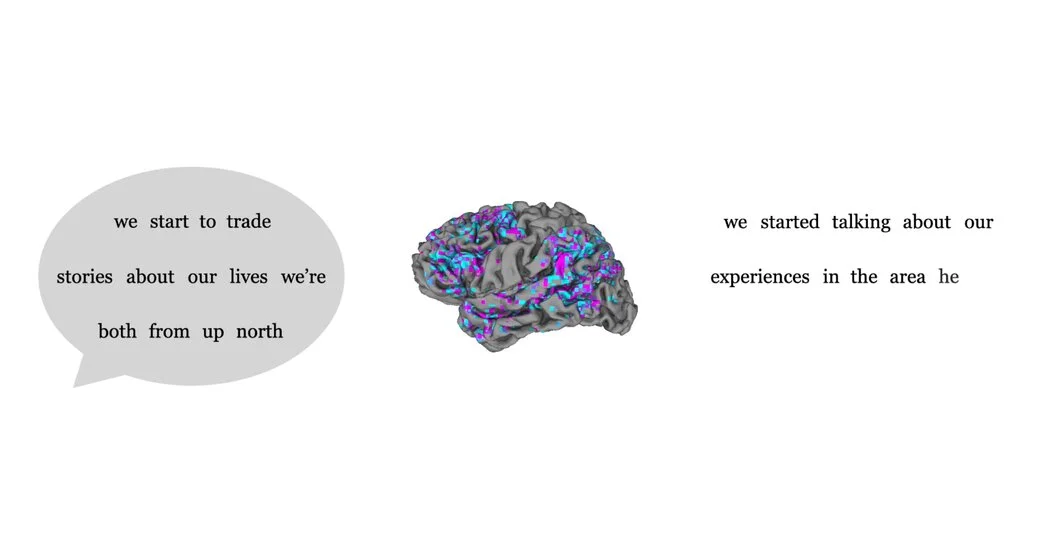
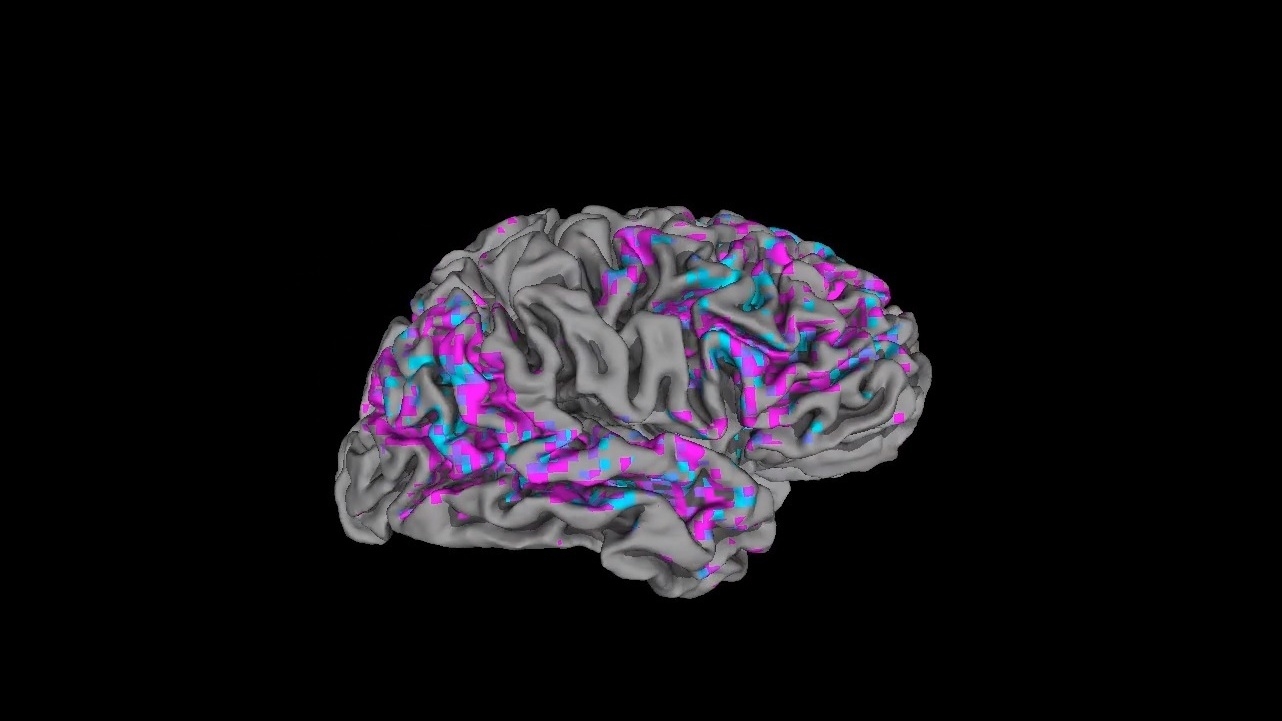
Neuroscientists at the University of Texas have successfully decoded data from non-invasive brain scans and used them to reconstruct language and meaning from stories that people hear, see or even imagine. The researchers used the blood oxygen level dependent signal from fMRI scans, which shows changes in blood flow and oxygenation levels in different parts of the brain. The decoder could be trained to reconstruct continuous language (including some specific words and the general meaning of sentences). The technology could be useful for people who cannot speak due to conditions such as motor neurone disease, but raises concerns for the future privacy of our thoughts.
Advancements in AI allow for non-invasive mind-reading through text conversion.
neuroscience3 years ago

Advancements in AI allow for non-invasive mind-reading through text conversion.

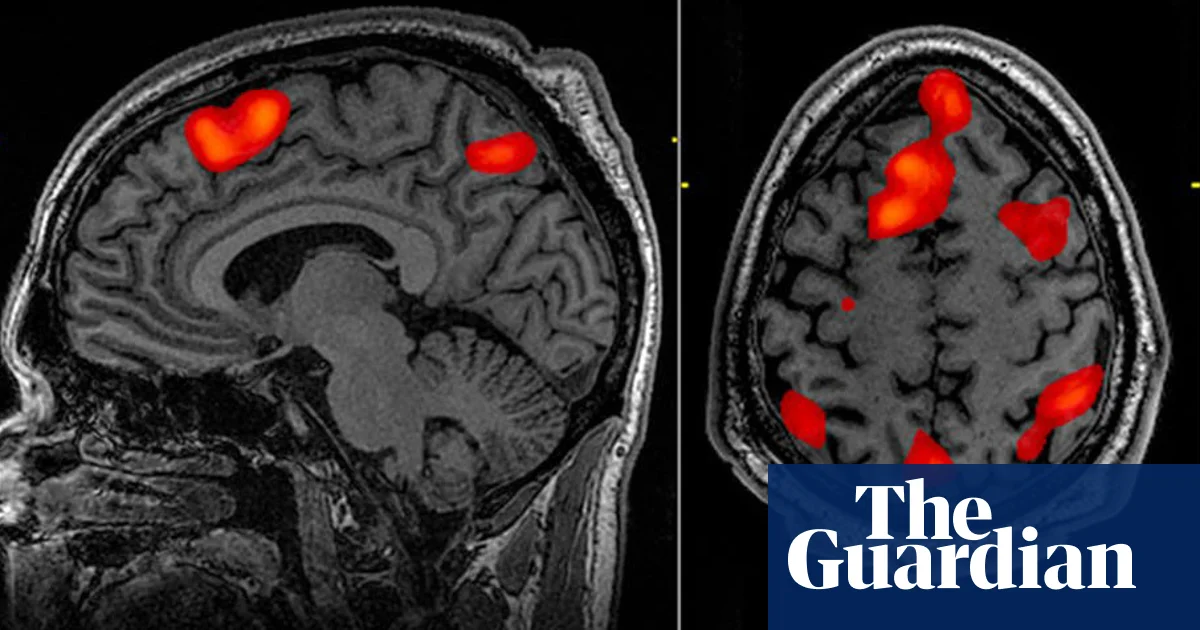
An AI-based decoder has been developed that can translate brain activity into a continuous stream of text, allowing a person's thoughts to be read non-invasively for the first time. The decoder could reconstruct speech with uncanny accuracy while people listened to a story or even silently imagined one using only fMRI scan data. The achievement overcomes a fundamental limitation of fMRI, which is that while the technique can map brain activity to a specific location with incredibly high resolution, there is an inherent time lag, which makes tracking activity in real-time impossible.

Advancements in AI and fMRI allow for passive mind-reading and decoding of language signals.
science-and-technology3 years ago

Advancements in AI and fMRI allow for passive mind-reading and decoding of language signals.

Scientists have developed a system that uses MRI scans and artificial intelligence to decode the gist of what a person hears or imagines, rather than trying to replicate each word. The technology can't read minds, but it could help people who are unable to speak because of a brain injury or disease. The approach is an attempt to "decode more freeform thought," and could have applications beyond communication, such as understanding mental illness. However, the system is slower and less accurate than experimental communication systems being developed for paralyzed people that use electrical sensors implanted directly on the surface of the brain.

Advancements in AI allow for non-invasive mind-reading through brain scans.
artificial-intelligence3 years ago

Advancements in AI allow for non-invasive mind-reading through brain scans.

Researchers from the University of Texas, Austin, have developed an A.I. that can translate the private thoughts of human subjects by analyzing fMRI scans, which measure the flow of blood to different regions in the brain. The language decoder is one of the first to not rely on implants and was able to turn a person’s imagined speech into actual speech and generate relatively accurate descriptions of silent films. However, the method has limitations, including the need for bulky and expensive fMRI scanners and the requirement for individual training.