
Warren Buffett Resigns as Berkshire Hathaway Chairman, Handing Role to Son Howard
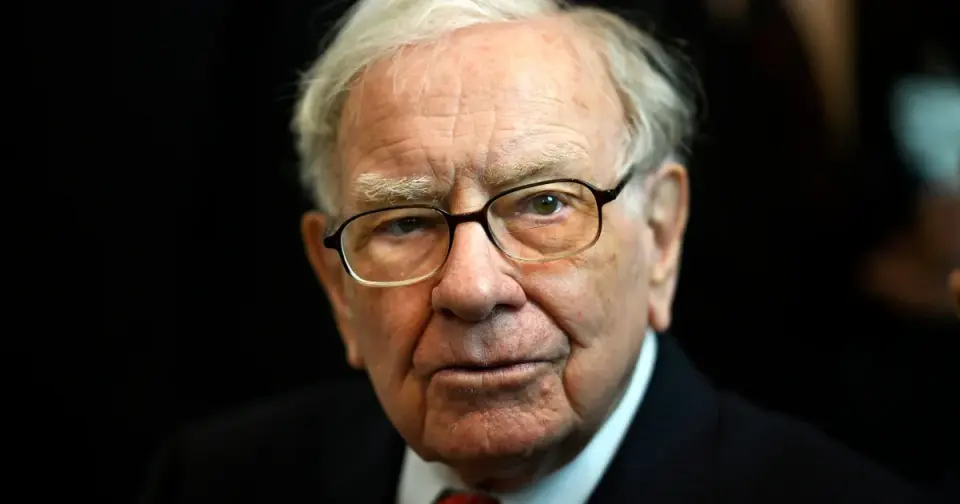
Warren Buffett has stepped down as chairman of Berkshire Hathaway, becoming chairman emeritus while his son Howard G. Buffett assumes the role. This move concludes a multi-year transition, following Buffett's earlier resignation as CEO to Greg Abel. Buffett remains on the board, and Berkshire's portfolio continues to grow, with Apple and Alphabet as major holdings.
Key points
- Warren Buffett, 96, resigned as chairman of Berkshire Hathaway effective September 18, 2026, becoming chairman emeritus.
- His son, Howard G. Buffett, was named the new chairman, while Greg Abel remains CEO.
- Buffett will continue serving on the board of directors, offering his judgment and perspective.
- The transition follows Buffett's resignation as CEO eight months prior, where he emphasized confidence in the company's future.
- Berkshire Hathaway's share price has risen over 5,500,000% since Buffett began using it as an investment vehicle in the 1960s.
- Buffett recently initiated a significant investment in Alphabet, which is now worth over $27 billion and ranks as the fifth-largest holding.
Background
This announcement follows a structured succession plan at Berkshire Hathaway. In January 2026, Greg Abel was appointed CEO, replacing Warren Buffett, who had indicated he would retain the chairman title. Earlier in 2026, Buffett continued to actively manage major investments, such as the recent addition of Alphabet to the portfolio, while Abel focused on operational aspects. The transition to Howard G. Buffett as chairman marks the final step in a long-planned leadership handover, ensuring continuity in Berkshire's diversified business model and investment strategy.
Why it matters
The departure of Warren Buffett as chairman marks the end of an era for Berkshire Hathaway, a company that has become a symbol of long-term investing and corporate stability. The transition to Howard G. Buffett, with Greg Abel as CEO, signals a new phase for the conglomerate, potentially shifting focus from Buffett's personal investment strategies to a more institutionalized approach. This move also highlights the importance of succession planning in large corporations, ensuring that leadership transitions are smooth and that the company's culture and values are preserved. For investors, the continued presence of Buffett as chairman emeritus and the strong performance of key holdings like Apple and Alphabet suggest that Berkshire's investment strategy remains robust, even as leadership changes.
What to watch
Howard G. Buffett will assume the role of chairman, focusing on maintaining Berkshire's culture and values, while Greg Abel continues as CEO, overseeing operations. Warren Buffett will remain on the board as chairman emeritus, providing guidance and perspective. Investors will likely monitor how the new leadership structure affects Berkshire's investment decisions, particularly in areas like technology and traditional industries. The company's performance in the coming months will be a key indicator of the success of this transition.
Want the full story? Read the original reporting
Read on NBC News