
Army Detonates Unstable Lead Azide Stockpile in Iowa Amid Health Concerns
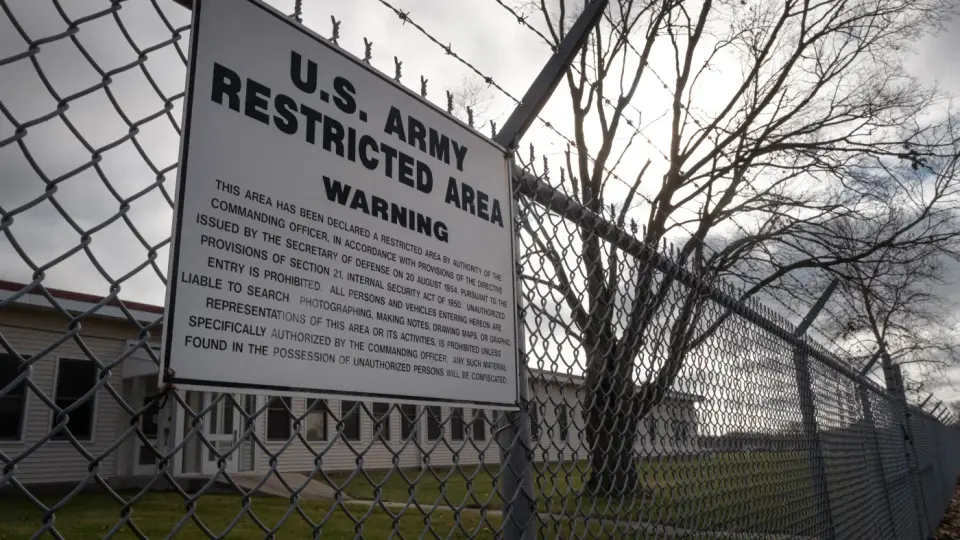
The U.S. Army successfully detonated 5 tons of unstable lead azide at the Iowa Army Ammunition Plant in Middletown on Wednesday morning. The controlled blast, which had been delayed multiple times due to weather and legal challenges, aimed to prevent a spontaneous explosion of the crystallized chemical. While officials reported the containment measures worked, concerns remain regarding lead dust exposure for nearby residents, particularly children and pregnant women. Separately, Salvadoran national Kilmar Abrego Garcia voluntarily left the U.S. for Spain, ending a two-year legal battle with the Trump administration over his deportation.
Key points
- The Army detonated 5 tons of lead azide, stored in 68 barrels, at 9 a.m. ET on Wednesday, November 25, 2026, at the Iowa Army Ammunition Plant in Middletown.
- The detonation was necessary because the chemical had crystallized and become unstable, posing a risk of spontaneous explosion, especially as temperatures cooled.
- A 5-mile evacuation zone was established, and residents within 20 miles were advised to stay indoors to avoid lead dust, which is particularly dangerous for children and pregnant women.
- The blast was delayed three times, including a brief pause ordered by President Trump on Monday, before a federal appeals court lifted a stay, allowing the operation to proceed.
- Kilmar Abrego Garcia, a Salvadoran national who was mistakenly deported to El Salvador in 2025, voluntarily left the U.S. for Spain on Tuesday, November 24, ending a 20-month legal dispute with the Trump administration.
- Nvidia CEO Jensen Huang, who was reinstated by the board on November 23, apologized to staff for his previous behavior and is set to face congressional hearings regarding national security concerns.
Background
The lead azide stockpile had been stored at the Iowa facility since 2009, moved from various bases across the country. The chemical, used in munitions production since World War I, was found to be partially crystallized during a March inspection, prompting the Army to seek a controlled detonation. Environmental groups had filed a lawsuit to halt the plan, but a federal appeals court ruled on Monday that the EPA had adequately incorporated safeguards to minimize lead dust dispersal. Meanwhile, Kilmar Abrego Garcia’s case highlighted tensions over immigration enforcement and due process, as he had been wrongfully deported to El Salvador in March 2025, violating a 2019 court order that barred his removal due to gang threats. His voluntary departure to Spain was framed by supporters as a victory for due process, while the administration hailed it as a win for immigration enforcement.
How outlets are covering it
NPR emphasized the health risks of lead dust, particularly for children and pregnant women, and noted concerns about potential harm to livestock and crops. KCRG highlighted the Army’s mitigation efforts, including blast barriers and the use of water to tamp down the plume, while also noting frustration over a lack of information among residents. Axios focused on the political dynamics, including President Trump’s brief pause of the detonation and the court’s decision to lift the stay, as well as early reports that the containment measures exceeded expectations. On the Abrego Garcia story, NPR and the archive sources noted the case’s significance in highlighting due process concerns, while the Trump administration expressed delight at his departure. On the Jensen Huang story, NPR reported that some lawmakers are upset with Huang, while others criticized Nvidia and its board, with Democratic Sen. Elizabeth Warren calling for answers about Nvidia’s compliance with chip-control laws.
Why it matters
The detonation of the lead azide stockpile raises significant concerns about environmental and public health impacts, particularly the potential for lead dust exposure in nearby communities. The case of Kilmar Abrego Garcia highlights ongoing tensions over immigration enforcement and due process, while the reinstatement of Jensen Huang as Nvidia CEO underscores the intersection of corporate leadership and national security concerns.
What to watch
A crew of more than 150 agency officials will clean and test for contamination following the blast, and residents can volunteer to have their soil tested. Evacuees are expected to receive notice by phone when it is safe to return. Jensen Huang is set to attend a closed-door hearing with House members next week, followed by testimony before a Senate committee two days later. Kilmar Abrego Garcia is expected to spend two years abroad before potentially returning to the U.S.
- Army to detonate tons of lead azide after delays. And, Abrego Garcia leaves U.S. NPR
- U.S. Army detonates lead azide, blast caught on camera KWQC
- LIVE: Army to detonate lead azide at Iowa ammunition plant KCRG
- Latest maps provided by US Army show potential locations of lead exposure during Wednesday's controlled detonation WQAD
- Army detonates Iowa explosives amid toxic lead fears Axios
Want the full story? Read the original reporting
Read on NPR