
China’s Evergrande Founder Hui Ka Yan Sentenced to Life for Fraud
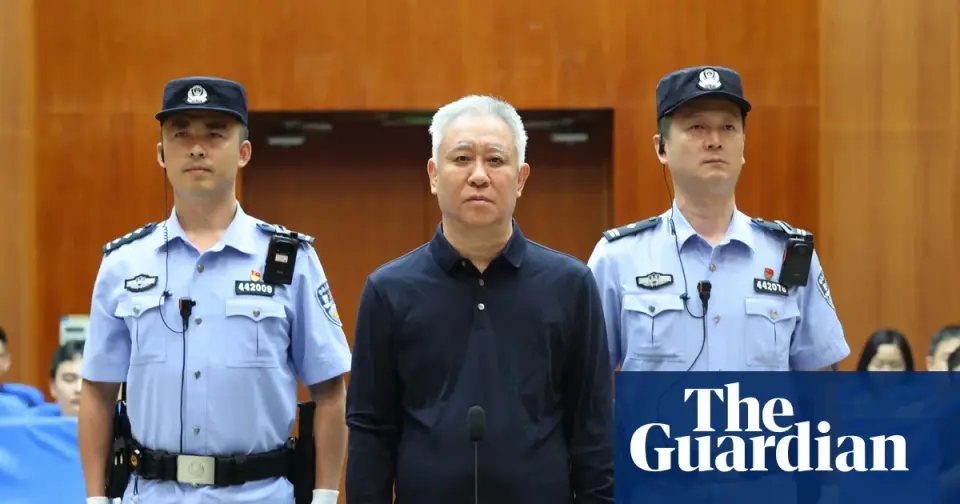
Hui Ka Yan, the 67-year-old founder of China’s Evergrande Group, has been sentenced to life in prison and stripped of all personal assets by the Shenzhen Intermediate People’s Court. He pleaded guilty in April to eight charges, including fundraising fraud and bribery, related to the company’s massive debt crisis. Evergrande, which delisted from the Hong Kong stock exchange last year, defaulted on approximately $300 billion in liabilities. The court ruled that Hui engaged in large-scale financial fraud between 2016 and 2021 to inflate assets and conceal liabilities, causing severe economic disruption. More than 50 other individuals linked to the company received prison sentences ranging from 20 months to 18 years. The collapse of Evergrande, once a symbol of China’s property boom, followed 2020 regulations that limited corporate debt, contributing to a broader sector crisis that impacted a significant portion of China’s GDP.
Key points
- Hui Ka Yan, former Forbes richest man in China with a 2017 net worth of $42.5 billion, received a life sentence and full asset confiscation.
- The Shenzhen court found Hui guilty of eight charges, including misuse of funds, illegal loans, and securities fraud, committed between 2016 and 2021.
- Evergrande Group was fined 8.8 billion yuan, and its property arm was fined 7 billion yuan, according to Chinese state media.
- The company defaulted on most of its $300 billion in liabilities after delisting from the Hong Kong stock exchange.
- Over 50 other Evergrande-linked individuals were sentenced to prison terms ranging from 20 months to 18 years.
- The crisis began in 2020 when Beijing introduced debt limits for property developers, leading to an estimated $347 billion in sunk costs across the Chinese economy.
Background
This sentencing concludes a multi-year legal process that began with Hui’s guilty plea in April. The collapse of Evergrande serves as a pivotal case study in China’s efforts to reduce reliance on the real estate sector, which historically accounted for 25% to 33% of the country’s GDP. While earlier archive articles covered unrelated fraud cases in the U.S. and Europe, the Evergrande case highlights the severe consequences of financial misconduct within China’s largest property developer, impacting global economic stability.
How outlets are covering it
The Guardian and The New York Times both report the life sentence and asset confiscation but emphasize different aspects of the narrative. The Guardian focuses on the specific fines imposed on the company and the broader economic impact, noting that the regulatory crackdown led to $347 billion in sunk costs. The New York Times frames the sentencing as the 'final chapter' in Hui’s fall from grace, highlighting his previous status as a political adviser and flamboyant tycoon. Both outlets agree on the core facts of the guilty plea and the scale of the debt, but the Guardian provides more detail on the specific charges and the court’s rationale regarding the disruption of the socialist market economy.
Why it matters
The sentencing of Hui Ka Yan marks the definitive end of the Evergrande saga, a crisis that exposed the vulnerabilities of China’s debt-fueled real estate sector. It signals Beijing’s continued commitment to enforcing financial regulations and punishing corporate fraud, potentially influencing future compliance standards for large Chinese enterprises. The case also underscores the long-term economic repercussions of the 2020 debt limits, which reshaped the landscape for property developers and contributed to a prolonged slowdown in China’s construction industry.
What to watch
The immediate legal proceedings for Hui Ka Yan and the 50+ other individuals are concluded with their sentencing. The focus now shifts to the ongoing management of Evergrande’s remaining liabilities and the broader stabilization of China’s property market. Investors and policymakers will monitor how the resolution of this case impacts confidence in other large Chinese corporations and the effectiveness of regulatory measures in preventing similar financial crises.
- Founder of China’s Evergrande jailed for life after pleading guilty to fraud The Guardian
- China Sentences Evergrande Founder to Life in Prison The New York Times
- China sentences founder of world's most-indebted property developer to life in prison for fraud, bribery Fox Business
- Chinese Tycoon Who Symbolized Property Bust Is Sentenced to Life in Prison WSJ
- World in Brief: America’s government debt passes $40trn; Evergrande’s founder is sentenced The Economist
Want the full story? Read the original reporting
Read on The Guardian