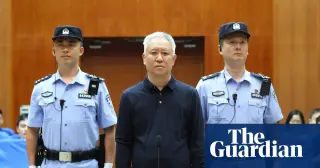
Hui Ka Yan faces guilty plea in fraud and bribery case tied to Evergrande
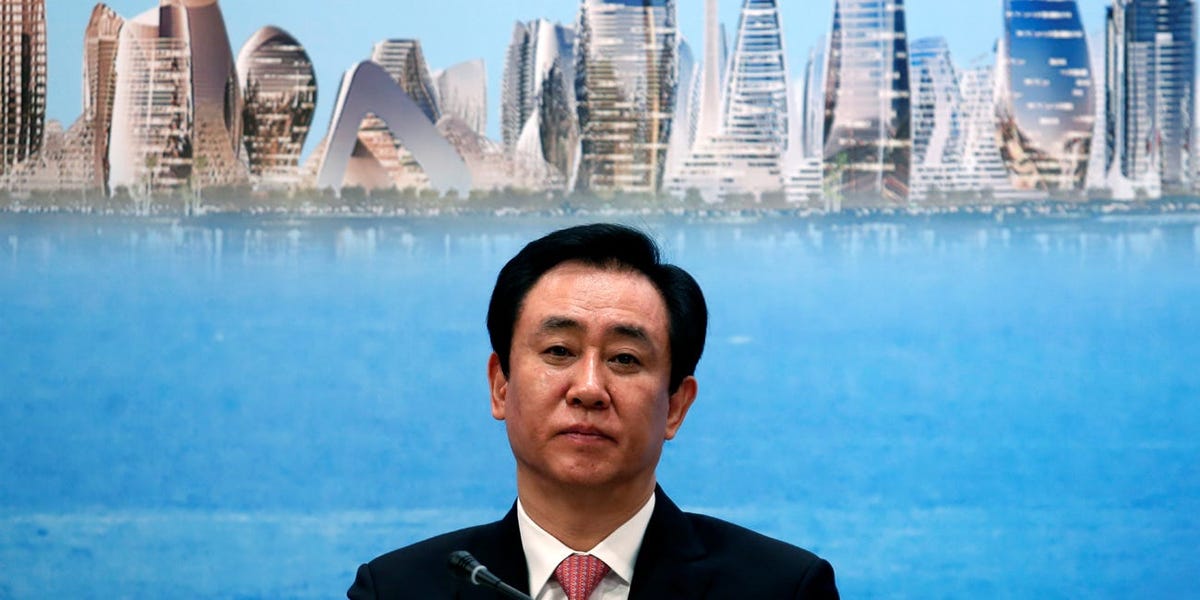
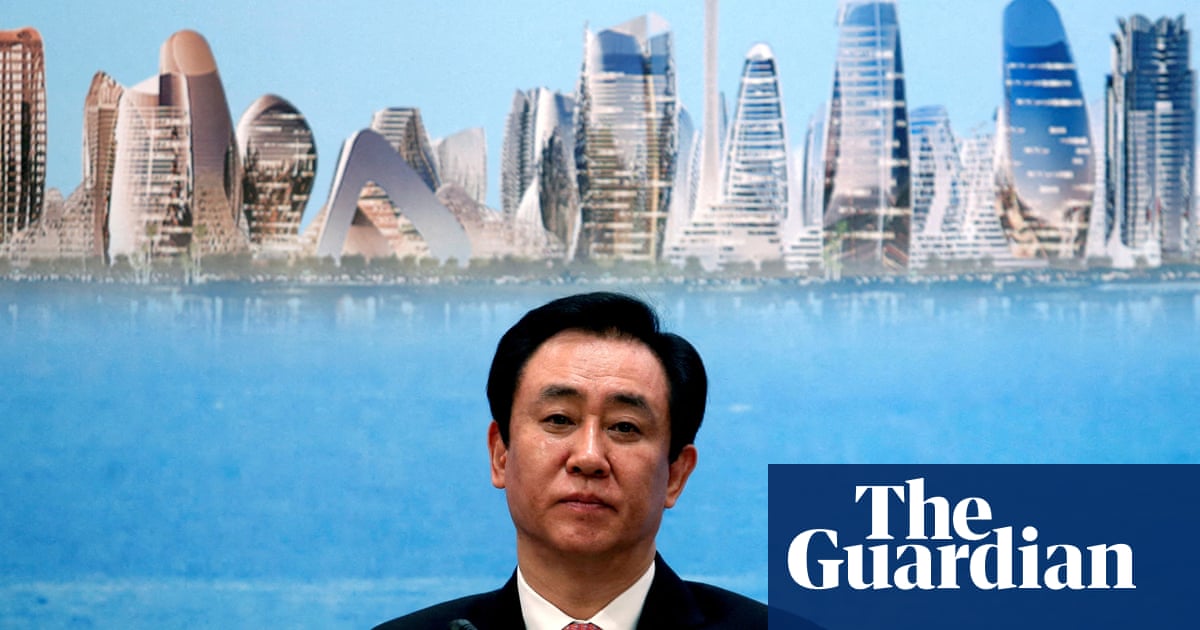
Hui Ka Yan, founder of China’s Evergrande, has pleaded guilty to fraud and bribery in a case connected to the developer’s mounting debts and crisis.
All articles tagged with #evergrande

Hui Ka Yan, founder of China’s Evergrande, has pleaded guilty to fraud and bribery in a case connected to the developer’s mounting debts and crisis.

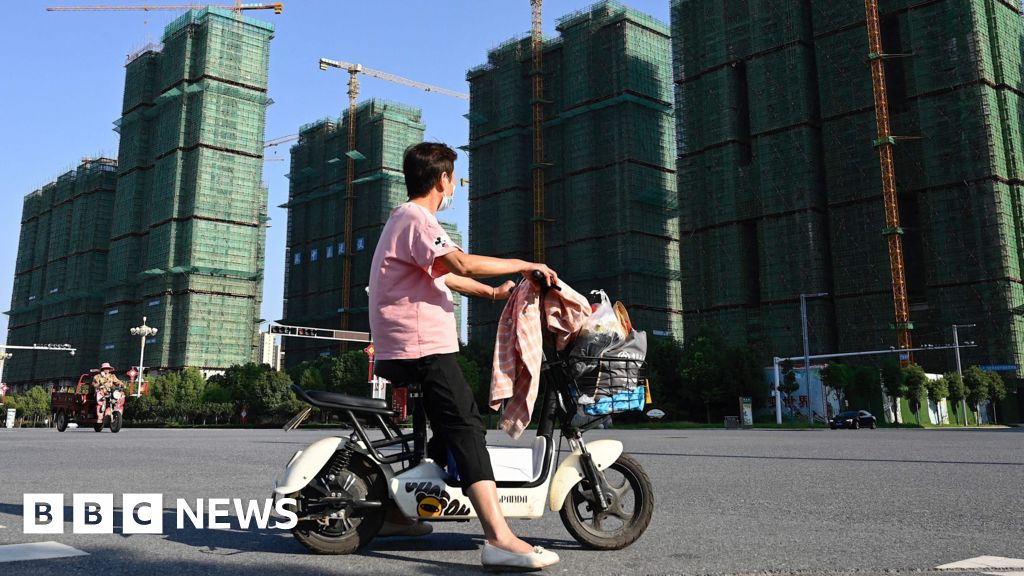
Shares of China Evergrande, once a leading real estate developer, were delisted from the Hong Kong Stock Exchange following court-ordered liquidation due to its failure to provide a viable debt restructuring plan. The company, heavily burdened with over $340 billion in debt, played a significant role in China's ongoing property market downturn, which has impacted the broader economy and led to construction suspensions and falling home prices. Despite efforts by Chinese authorities to stabilize the market, Evergrande's collapse highlights the deepening crisis in China's real estate sector.

Evergrande, once China’s second-largest property developer, has been delisted from the Hong Kong stock exchange after an 18-month trading freeze and liquidation process, marking its collapse from a peak valuation of over HK$400bn to just HK$2bn amid China’s ongoing property market downturn and massive debt default.

China Evergrande, once a leading property developer, was delisted from the Hong Kong Stock Exchange as it continues to wind up over $340 billion in debts, marking a significant step in its collapse that has contributed to China's ongoing property market crisis and economic slowdown.

Evergrande, once China's largest property developer, has been delisted from Hong Kong's stock exchange, marking the end of an era for China's real estate boom. The company's collapse highlights the sector's debt-driven nature, with liabilities exceeding $300 billion and assets difficult to recover, reflecting ongoing financial stress in China's property market.

China's property crisis, exemplified by the collapse of Evergrande, continues to deepen five years after its onset, reflecting a prolonged slowdown in real estate values and significant economic repercussions, with the company delisted from the Hong Kong Stock Exchange amid ongoing financial difficulties.

Evergrande, once China's largest property developer with diverse business interests, is in severe financial trouble due to excessive borrowing and new government regulations, impacting China's economy and highlighting a shift in China's economic priorities away from real estate towards high-tech industries.

Evergrande, once China's largest property developer, is set to be delisted from the Hong Kong stock market after a dramatic collapse due to massive debts and failed restructuring efforts, symbolizing the ongoing property crisis that has significantly impacted China's economy and shifted government priorities towards high-tech industries.

China's property market continues to decline, with falling home prices, contracting investment, and the potential delisting of Evergrande, highlighting ongoing consumer fragility and economic challenges.

China Evergrande Group will be delisted from the Hong Kong stock exchange, marking the end of its rise as a major developer amid China's housing crisis. The company's debt has surged beyond initial estimates to over $45 billion, and its liquidation process is ongoing, with shareholders facing near-total losses. The delisting reflects the broader decline of China's real estate sector and the changing business landscape for developers.

After Evergrande's default, $255 million worth of assets, including artworks by Monet, have been recovered, highlighting the scale of the financial crisis and asset liquidation.

Beijing has accused Evergrande of inflating revenue by $78 billion in 2019 and 2020, leading to fines and a lifetime ban for its founder. This comes as the fallen Chinese real-estate giant faces liquidation amid a debt crisis. The crackdown serves as a warning to other defaulting developers in China's property market, with fears that the crisis could have broader domestic and global economic implications.

Chinese property developer Evergrande and its founder have been fined over $78bn for allegedly inflating revenues, with the company fined $580m and its founder banned from China's markets for life. Evergrande, the world's most indebted property developer, has been struggling to repay its debts since 2021, and the fallout from its crisis has affected China's shadow banking industry. The Chinese government has stepped up support for the real estate industry and is striving to reassure investors after Chinese markets slumped in the past year.

Chinese regulators have accused Evergrande and its founder of inflating revenues by $78 billion, resulting in the largest financial fraud case in mainland China's securities markets. The China Securities Regulatory Commission imposed a penalty of $580 million on Evergrande's main Chinese unit and fined the founder $6.5 million, while also barring him from the securities markets for life. The investigation revealed that the company had fabricated billions in sales, inflating net profits by 63% in 2019 and 87% in 2020. In addition to the penalties, six other executives were fined, and the former vice chairman and CEO of Evergrande Group was also banned from the nation's securities markets for life.

China Evergrande Group's founder, Hui Ka Yan, has been accused by the China Securities Regulatory Commission of exaggerating the company's revenue by over $78 billion and committing securities fraud before its collapse in 2021. Hui was fined $6.5 million and banned from China's financial markets for life, while the company's main onshore unit, Hengda, was fined $580 million. This revelation further tarnishes Evergrande's reputation, as it had already defaulted on its massive debt, leading to the largest wave of property defaults in modern history in China.