
PepsiCo Raises Prices and Cuts Outlook as North America Sales Lag
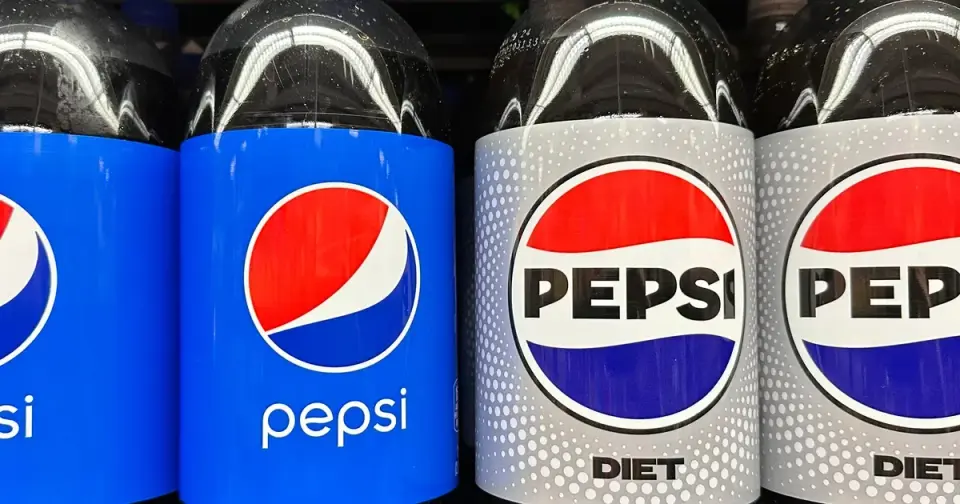
PepsiCo is raising prices on snacks and drinks in North America to offset rising costs for fuel, aluminum, and agricultural commodities. The move follows a weak third quarter where domestic sales stagnated, prompting the company to lower its full-year earnings forecast. While international markets drove strong revenue growth, the company faces pressure from higher input costs and the expiration of tariff refunds.
Key points
- PepsiCo announced single-digit price increases for brands like Doritos, Ruffles, SunChips, and some sodas to recoup rising costs for fuel, aluminum, and agricultural commodities.
- The company lowered its full-year adjusted earnings per share growth forecast to 2.5%–3.5%, down from a previous range of 5%–7%, citing higher costs and investments to revive demand.
- Third-quarter net revenue rose 5.6% to $25.27 billion, beating analyst expectations, driven by strong international performance, particularly in Asia-Pacific and Latin America.
- North American Frito-Lay snack volumes were flat year-over-year, while beverage volumes fell 2%, with soda sales slumping despite strong performance in hydration and energy drinks.
- PepsiCo used a $178 million tariff refund in the third quarter to offset costs, but noted this support will not be available in future quarters, necessitating price hikes and corporate cost cuts.
Background
PepsiCo had previously slashed prices on several snack brands by up to 15% in early 2026 following pressure from activist investor Elliott Investment Management. The company had also relied on tariff refunds issued after the Supreme Court struck down global tariffs to offset inflationary pressures. Recent coverage noted that PepsiCo’s shares had fallen nearly 10% in September 2026 due to concerns over inflation, oil prices, and the impact of GLP-1 weight-loss drugs on snack consumption.
How outlets are covering it
HuffPost emphasized the necessity of price hikes due to rising input costs and the expiration of tariff refunds, highlighting the risk to financially stretched consumers. CNBC’s Jim Cramer focused on the stock’s positive reaction, noting that the guidance cut was anticipated and that PepsiCo is investing in advertising and innovation to revive sales. Cramer argued that while secular challenges remain, the company’s valuation and dividend yield offer value. Both sources agreed that international markets are a key driver of current revenue growth, but differed on the outlook: HuffPost highlighted the pressure on margins, while CNBC focused on improving sales momentum.
Why it matters
PepsiCo’s decision to raise prices signals a shift from cost-cutting and price reductions to passing inflationary costs to consumers. This move reflects broader economic pressures on consumer goods companies, particularly as tariff refunds expire and input costs rise. The company’s ability to maintain revenue growth while managing margins will be critical for its stock performance and consumer confidence.
What to watch
Investors will watch PepsiCo’s ability to execute price hikes without further eroding sales volumes. The company is expected to identify additional corporate cost reductions to fund growth initiatives. Analysts will monitor whether the price increases successfully offset rising costs for fuel, aluminum, and agricultural commodities in the coming quarters.
- PepsiCo Says It’s Hiking Prices After A Weak Quarter In North America HuffPost
- PepsiCo running out of time to meet Elliott-inspired targets as GLP-1 threat intensifies Reuters
- These 7 snacks powered PepsiCo's Q3 earnings Yahoo Finance
- Pepsi shares rallied despite cutting profit guidance. Where Cramer stands on the stock now CNBC
- 'We don’t feel good': PepsiCo plans price hike after offsetting cost with $178 million tariff refund Fortune
Want the full story? Read the original reporting
Read on HuffPost