Tag

Pepsico

All articles tagged with #pepsico

PepsiCo Recalls 122,000 Cases of Gatorade Across 37 States Over Undeclared Dyes
health-and-safety3 days ago

PepsiCo Recalls 122,000 Cases of Gatorade Across 37 States Over Undeclared Dyes

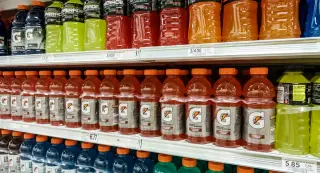
PepsiCo is voluntarily recalling 122,021 cases of 28-ounce Gatorade bottles across 37 states, including New York and New Jersey, due to undeclared food dyes. The FDA classified the action as a Class II recall on Oct. 2, 2026, indicating a remote risk of serious health consequences. Affected flavors include Lemon Lime, Lemon Lime Zero, Orange, and Orange Zero, which may contain unlisted Yellow No. 5 or Yellow No. 6. Consumers are advised to check lot numbers and return products for refunds.
PepsiCo pulls 122,000 Gatorade cases over hidden dyes
health-and-safety3 days ago

PepsiCo pulls 122,000 Gatorade cases over hidden dyes

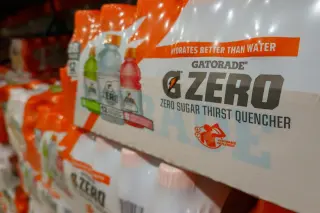
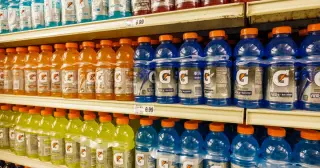
PepsiCo has voluntarily recalled over 122,000 cases of Gatorade across 37 U.S. states because the drinks contain undeclared synthetic food dyes. The FDA classified the action as a Class II recall, warning that the unlisted additives could trigger allergic reactions in sensitive individuals. The affected products are 28-ounce bottles of Lemon Lime, Lemon Lime Zero, Orange, and Orange Zero variants. Consumers are advised to return the items for a refund or dispose of them properly.

Coca-Cola and PepsiCo Slash Legacy Lines: Minute Maid Frozen Juice and Five Other Staples Vanish
consumer-trends13 days ago

Coca-Cola and PepsiCo Slash Legacy Lines: Minute Maid Frozen Juice and Five Other Staples Vanish

Major food and beverage companies are removing popular legacy products from shelves in 2026. Coca-Cola is ending its 80-year run in the frozen juice category, while PepsiCo is cutting nearly 20% of its U.S. snack lineup. Affected items include Minute Maid frozen concentrates, Blue Bell Butter Crunch ice cream, and several Lay’s and Smartfood varieties.

GLP-1 weight-loss drugs force employers to rethink health coverage
health22 days ago

GLP-1 weight-loss drugs force employers to rethink health coverage

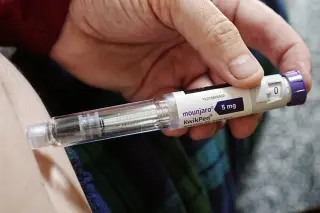
Rising use of GLP-1 weight‑loss drugs is driving up employer health costs, with about two‑thirds of firms still covering GLP-1s but roughly 10% planning to drop coverage next year. PepsiCo, Cigna and Starbucks have already narrowed or halted GLP-1 coverage, while Bank of America reports hundreds of millions spent on these drugs; some research suggests fewer sick days, complicating the cost‑benefit equation for employers.

Timeless Monsters: Monster Munch proves mascots outlast trends
design1 month ago

Timeless Monsters: Monster Munch proves mascots outlast trends

PepsiCo’s Monster Munch rebrand leans into its four-decade cast of monsters, reviving a simple, nostalgic look with a tweaked logo and updated packaging while keeping the three iconic creatures front and center; the move demonstrates how a strong mascot can endure changing packaging trends without losing its identity, contrasting with other brands that have aggressively redesigned their mascots.

PepsiCo’s Q2: Growth Abroad Offsets U.S. Slump, Keeping Outlook Intact
business3 months ago

PepsiCo’s Q2: Growth Abroad Offsets U.S. Slump, Keeping Outlook Intact

PepsiCo posted a mixed Q2: revenue rose 6.4% to $24.18 billion and adjusted EPS of $2.20 (vs $2.21 expected), with GAAP EPS of $2.18 on $2.98 billion net income. Global volumes grew, led by a 3% rise in food and 2% in beverages, but North American food was flat and beverages fell 4%. The strength abroad helped, but domestic demand weakened amid inflation and higher gas prices. The company kept its full-year forecast for organic revenue growth of 2–4% and core EPS up 4–6%, aided by prior price cuts and brand restaging; shares fell about 4% after the report.

PepsiCo hits receipts abroad as US shoppers trim snacks amid inflation
business3 months ago

PepsiCo hits receipts abroad as US shoppers trim snacks amid inflation

PepsiCo posted a better‑than‑expected quarter with adjusted EPS of $2.20 and revenue of $24.2 billion, driven by strength overseas, even as U.S. consumers pared back snacks and soda due to higher living costs. North America volume fell about 2% and pricing gains were offset by softer NA performance, helped by successful multipacks and zero‑sugar drinks. The company still expects full‑year organic revenue up 2‑4% and core EPS up 4‑6% in constant currencies, with a gradual improvement in North America in the second half; the stock fell around 5% after the report.

PepsiCo warns Iran conflict could push prices higher amid inflation fight
business5 months ago

PepsiCo warns Iran conflict could push prices higher amid inflation fight

PepsiCo warned that the Iran war could raise input costs and, by extension, consumer prices, even as it previously cut snack prices to combat inflation. The company expects to offset higher costs through its supply infrastructure, productivity gains, and adjustments to its price-pack architecture, with six to 12 months of hedging offering some protection. In the latest quarter, revenue rose 8.5% to $19.4 billion and net income climbed 27% to $2.3 billion, helped by rebounding North American snack volumes and resilient international markets.

PepsiCo beats Q1 2026 estimates as NA food volume returns
business5 months ago

PepsiCo beats Q1 2026 estimates as NA food volume returns

PepsiCo topped earnings and revenue expectations for Q1 2026, posting adjusted EPS of $1.61 and revenue of $19.44 billion (organic revenue up 2.6%). North American food volumes rose 2% as price cuts helped regain shoppers, while North American beverage volumes fell about 2.5%. The company kept its full-year guidance intact—organic revenue up 2-4% and core EPS up 4-6%—and reported net income of $2.33 billion ($1.70 per share). Shares were modestly lower in premarket trading.

SCHD's Dividend Growth Strategy Delivers Strong Long-Term Returns
business7 months ago

SCHD's Dividend Growth Strategy Delivers Strong Long-Term Returns

The Schwab U.S. Dividend Equity ETF (SCHD) tracks the Dow Jones U.S. Dividend 100 Index and focuses on dividend quality and growth, a combination that has produced 12.9% annualized returns since its 2011 inception. Its holdings yield about 3.8% and grow dividends at roughly 8.4% annually, topping the S&P 500's ~1.2% yield and ~5% dividend growth. With Coca-Cola and PepsiCo among its top holdings (each ~4%), the fund benefits from steady income and rising earnings, supporting price appreciation and making SCHD a compelling long-term option for dividend investors.

Dividend Kings and ETFs: Steady Income in a Slipping Market
business7 months ago

Dividend Kings and ETFs: Steady Income in a Slipping Market

With markets pulling back, the article outlines three dividend-focused strategies: anchor your portfolio with Dividend Kings Coca-Cola and PepsiCo for decades of rising payouts; add a quality dividend-growth stock like Microsoft for potential total returns; or diversify via a dividend ETF such as SCHD to balance yield with broad exposure and low fees, helping protect against downside while generating passive income.

PepsiCo trims US snack prices ahead of the Super Bowl
business8 months ago

PepsiCo trims US snack prices ahead of the Super Bowl

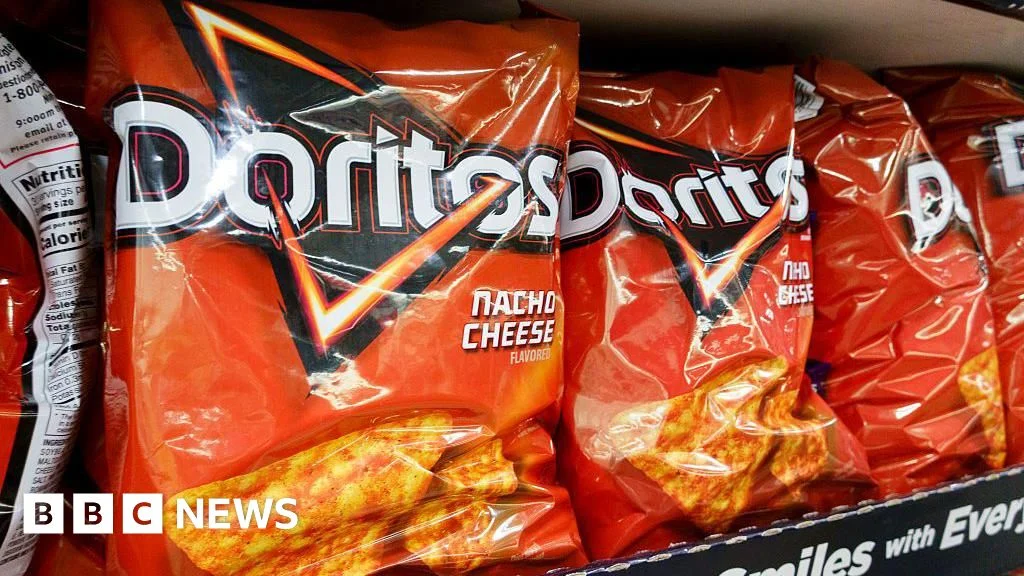
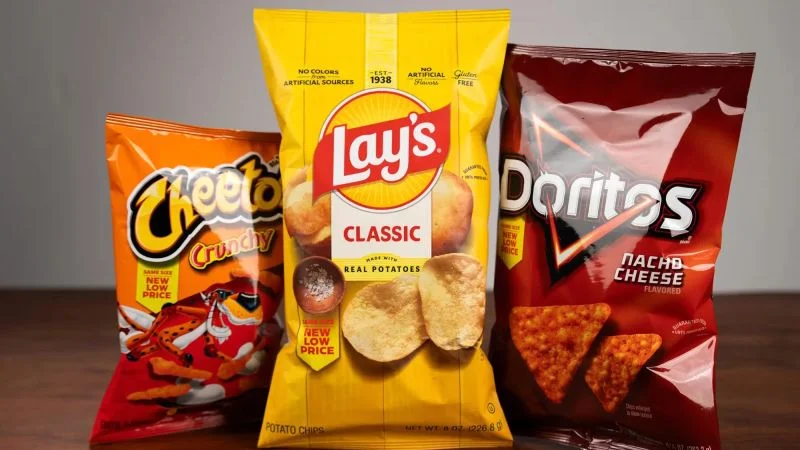
PepsiCo will cut the suggested US retail prices of snacks like Doritos, Lay's and Cheetos by nearly 15% this week in response to consumer pressure over higher living costs and the appetite-suppressing GLP-1 medications; packaging, ingredients and taste will stay the same, while retailers set shelf prices. The move, timed before the Super Bowl, aims to boost demand as the company focuses on multipacks, portion control and upcoming health-oriented products such as Doritos Protein, while pursuing productivity savings for 2026.

PepsiCo Cuts US Snack Prices by 15% Ahead of the Super Bowl
business8 months ago

PepsiCo Cuts US Snack Prices by 15% Ahead of the Super Bowl

PepsiCo said it will lower the suggested retail price of its snacks by about 15% in the United States, responding to consumer concerns that prices have become too high. Shoppers will see the reduced prices on packaging this week, with in-store pricing potentially varying by retailer, and the move is aimed at boosting purchase frequency after a deal with activist investor Elliott Management. The price cuts come as PepsiCo also rolls out newer snack options and looks to bolster sales in a sluggish North American snack category, just ahead of the Super Bowl’s peak snack-buying period.