
Tesla to End Cybertruck Production in 2027 to Prioritize Robotaxi Output
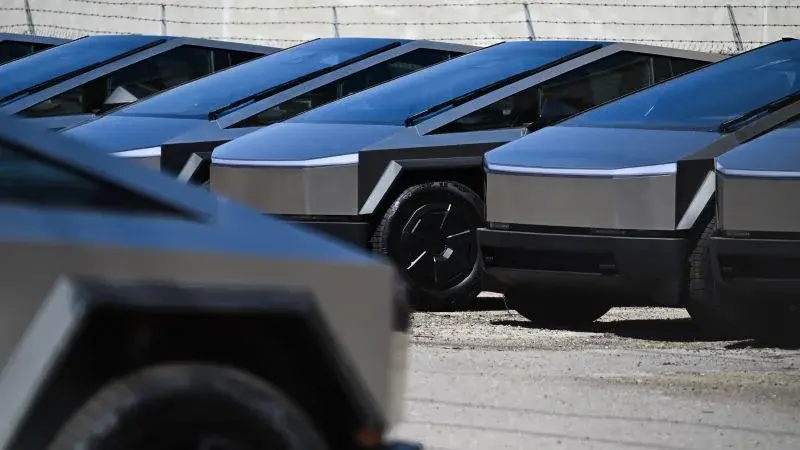
Elon Musk announced that Tesla will wind down Cybertruck production at its Austin, Texas, Gigafactory around mid-2027. The decision aims to free up manufacturing capacity for the self-driving Cybercab robotaxi. While Musk did not confirm a total discontinuation, project lead Wes Morrill suggested the vehicle is effectively retired, citing disappointing sales and a controversial history.
Key points
- Musk stated on X that production will cease around mid-2027 to accommodate increased Cybercab output.
- The Cybertruck was built for 250,000 units annually but sold roughly one-tenth of that capacity.
- The move follows the discontinuation of the Model S and Model X to make room for Optimus robots.
- Tesla’s robotaxi service currently operates in only seven cities, lagging behind competitors like Waymo.
- Musk’s net worth dropped by $113 billion recently due to stock declines following midterm election results.
Background
Tesla previously halted Model S and Model X production at its California plant to prioritize humanoid robots. In Q3 2026, 'other models' deliveries dropped 48%, indicating Cybertruck sales remained far below the original 250,000 annual target. The vehicle faced criticism for its design and failed to meet initial price and range promises.
How outlets are covering it
CNN emphasized the Cybertruck’s polarizing nature and Musk’s personal attachment to the vehicle, noting its underperformance against his 500,000 annual sales projection. Yahoo Finance focused on the strategic shift toward autonomy, highlighting that the Cybertruck’s discontinuation follows the cancellation of other premium models. Both sources agreed that the vehicle’s sales never materialized despite high pre-order numbers, with Yahoo citing Kelley Blue Book estimates of only 71,000 total sales since 2023.
Why it matters
The decision signals Tesla’s pivot from selling electric vehicles to providing autonomous rides and robotics. It impacts the EV pickup market, leaving Rivian’s R1T as the primary competitor until Ford’s Fathom and Slate’s new pickup launch. It also raises concerns among Tesla fans about the future of consumer-owned EVs as the company bets heavily on unproven autonomous and robotic technologies.
What to watch
Production is expected to stop around mid-2027. Tesla will likely increase Cybercab output, though regulatory approvals for self-driving remain a hurdle. The company has not yet released profits from its robotaxi service, suggesting it may still be losing money. Humanoid robots remain unavailable for sale as Tesla continues to develop their technology.
- Tesla set to wind down production of Cybertruck CNN
- Tesla to pull the plug on Cybertruck after years of poor sales Reuters
- Tesla Is Ending Production of Its Cybertruck and Refocusing on the Cybercab The New York Times
- Musk bids farewell to Cybertruck as Tesla bets on robots and self-driving Yahoo Finance
- Tesla’s Polarizing Cybertruck to Wind Down Production Amid Slow Sales WSJ
Want the full story? Read the original reporting
Read on CNN