
The High Stakes of UAW Talks: Strikes, Costs, and Detroit's Auto Show
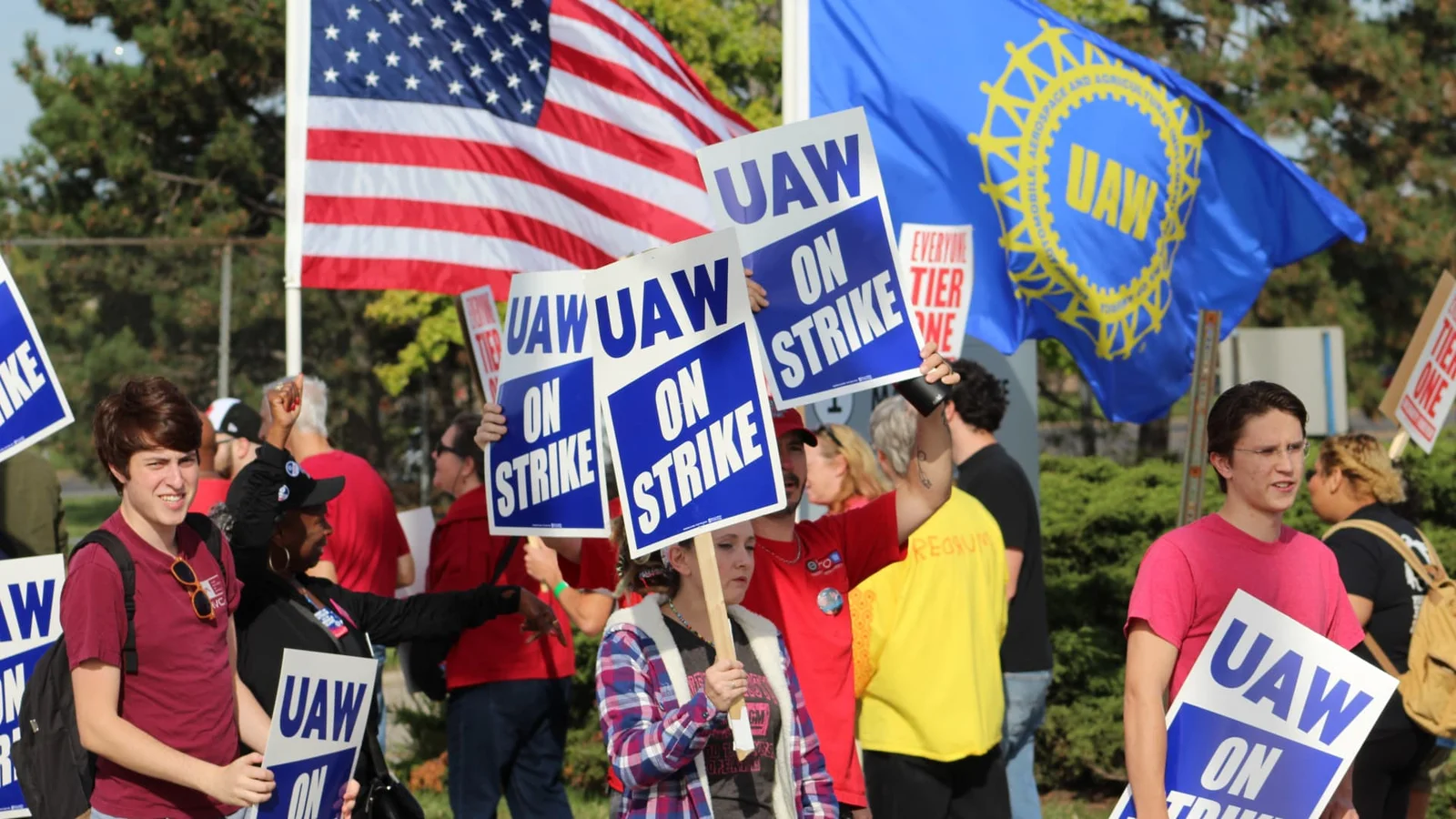
The United Auto Workers (UAW) union is engaged in contentious contract talks with General Motors (GM), Ford Motor, and Stellantis, which could result in billions of dollars in additional labor costs, work stoppages, or even strikes. The UAW's demands include a 46% wage increase, restoration of traditional pensions, and reducing the work week to 32 hours. If these demands are met, the all-in hourly labor cost for automakers would more than double. A work stoppage by nearly 150,000 UAW workers could result in an economic loss of over $5 billion after 10 days. The UAW has a strike fund of over $825 million, which would cover about 11 weeks of strike pay. If the union decides to strike against all three automakers, production losses could reach 1.5 million units. The U.S. auto industry is still recovering from supply chain problems caused by the pandemic, and vehicle inventory levels are lower than in previous negotiations, making a strike more impactful.
- What Wall Street needs to know about UAW talks, a potential strike, and what it could all cost CNBC
- In UAW's Negotiations With the Big Three Automakers, Ending Tiers Is a Central Demand Jacobin magazine
- Automakers are facing an uphill battle as inventory piles up and workers threaten to go on strike Business Insider India
- UAW talks could cast shadow over upcoming Detroit Auto Show Detroit Free Press
- Looming auto workers strike could cost $5 billion in just 10 days, new analysis says CNBC
Reading Insights
0
11
5 min
vs 6 min read
87%
1,196 → 159 words
Want the full story? Read the original article
Read on CNBC