Musicians of the Boston Symphony Orchestra voted to authorize the ensemble’s first strike in its 145-year history as contract talks with management continue, potentially disrupting upcoming performances while a resolution is pursued.
Musicians of the Boston Symphony Orchestra unanimously authorized the first strike in the ensemble’s history as contract talks stall ahead of an August 23 deadline, with leadership’s decisions cited as eroding trust; negotiations will continue through the weekend.
MLB unveiled its 2027 calendar with Opening Night on March 24 and a traditional Opening Day on March 25 featuring 14 games, plus an All-Star Game on July 13 at Wrigley Field and a Sept. 26 finish, in a bid to start earlier, but the plan is tentative because a new CBA with the players’ union must be agreed by December, and a lockout or schedule changes could alter or shrink the season; Netflix will again televise Opening Night.
Actress Brooke Shields joined Casa Bonita’s ongoing labor dispute by delivering a letter demanding higher wages and safety protections for the restaurant’s unionized performers, who are represented by Actors’ Equity. The action intensifies after more than a year of stalled talks with management run by South Park creators Trey Parker and Matt Stone, with performers alleging low pay relative to servers and noting safety concerns—from pool-related injuries to security issues—while Parker and Stone have not publicly commented.
Samsung Electronics posted a preliminary Q2 operating profit of 89.4 trillion won ($58.4B) on revenue of 171 trillion won, a fresh high from the prior period, with one-off bonus provisions tied to labor negotiations denting the results. The stock slid about 5% at the open.
MLB on Thursday unveiled a sweeping proposal to reshape how players turn pro, including 12-round drafts for both domestic and international players with $200 million signing-bonus pools and hard slots, elimination of high-school draft picks, and raising eligibility ages (domestic to 20 by 2028, international to 18). The league aims to cut amateur signing costs by about $200 million per year (with a potentially larger first-year cut due to skipping an international class), while the Players Association criticized the plan as harmful to players and development. The changes could affect minor-league structures and free-agent timing, but talks are in early stages and no agreement has been reached.
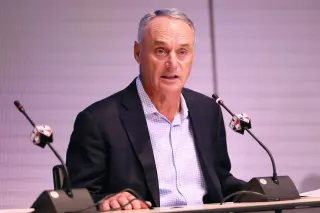
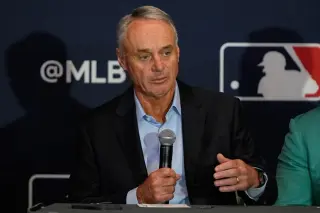
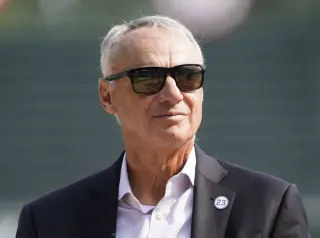
MLB commissioner Rob Manfred acknowledged the luxury-tax system has failed to ensure true competitive balance and signaled openness to a salary cap as labor talks with the players’ union intensify; MLB’s opening proposals seek a hard payroll cap with a floor and higher luxury-tax thresholds, while the union pushes for a soft cap and other financial concessions, all framed around addressing fans’ perceptions of parity ahead of the current CBA’s expiration and ongoing discussions about amateur spending and revenue sharing.
MLB owners have proposed a $245.3 million salary cap with a $171.2 million floor and a 50-50 revenue split, but the MLBPA says the plan would reduce players’ earnings overall and almost eradicate amateur signing bonuses, especially affecting newcomers with fewer resources. The union questions how “share” is defined and argues spending categories aren’t counted the same, while MLB contends the cap would level the playing field. Negotiations continue with a Dec. 1 deadline looming and the risk of a lockout; no next meeting date has been set yet.
MLB owners have formally proposed a salary cap to the players’ union, marking the first such move since the 1994-95 strike and signaling renewed emphasis on labor talks ahead of the next collective bargaining agreement.
MLB owners, in their opening economic proposal, outline a hard salary cap of $245.3 million and a floor of $171.2 million with a 50-50 revenue split, using average annual values. The plan would subject player pay to an escrow system and treat local-media revenues as central revenue to address the sport’s payroll disparity, aiming for a 2027 implementation; the MLBPA has not yet commented.
Unions representing roughly half of Long Island Rail Road workers began a strike at 12:01 a.m., halting service and forcing roughly 300,000 daily riders to seek alternatives as contract talks with the MTA stalled. The dispute centers on wages—unions seek 16% over four years while the MTA has offered about 9.5% over three years plus a future rise—amid fare-concern warnings, with Gov. Hochul urging telework and the MTA operating limited free shuttle service for essential travelers.
LAUSD continues bargaining with SEIU after tentative deals with UTLA and the Associated Administrators of Los Angeles; SEIU represents about 30,000 aides, bus drivers, custodians and cafeteria workers, and negotiators are seeking higher pay and more hours for part-time staff to qualify for health benefits. With a potential SEIU strike on April 14 that could close schools, the district is racing to reach an agreement as UTLA has pledged solidarity if no deal is reached.
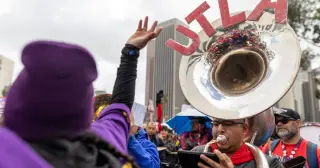
LAUSD and UTLA reached a tentative two-year contract with roughly an 11.65% pay hike, a starting salary near $77,000, four weeks of district-paid parental leave, expanded student mental-health supports, and smaller class-size targets for some grades; the district says the deal costs about $650 million and includes inclusive-practices staffing. While UTLA members are urged to ratify, negotiations with SEIU Local 99 (bus drivers and aides) and the administrators’ union continue, with a potential sympathy strike if no deal by April 14. A district walkout could disrupt attendance for about 400,000 students, but the district has prepared food, tech support, and child-care resources if schools close.
The NFL Referees Association’s request for $2.5 million in ‘marketing fees’ isn’t a brand-new demand—it's an existing term in the labor deal, currently about $775,000. The dispute centers on the amount and broader issues of pay and access to officials as part of ongoing negotiations.