
Ukraine confirms sinking of Russian corvette Merkury in Libya via naval drones
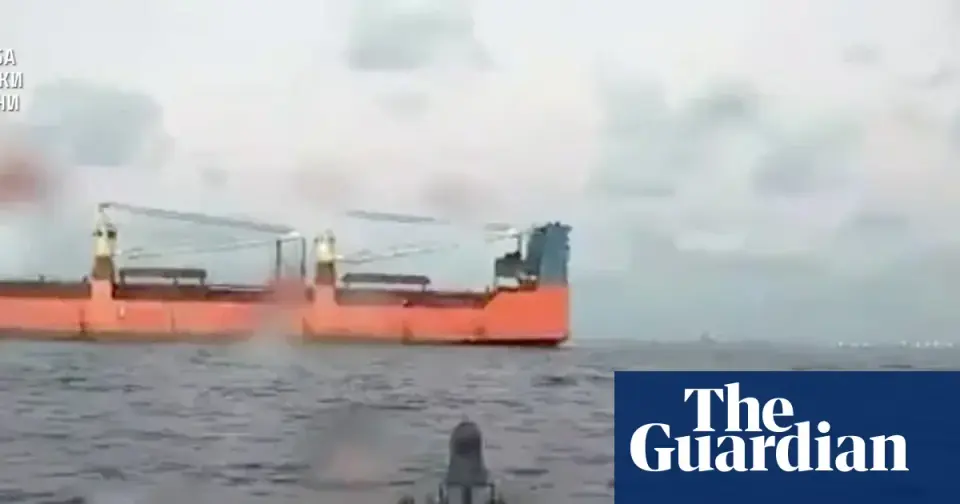
Ukraine confirmed it used seven domestically made naval drones to strike two Russian vessels off Libya on Sunday. The attack sank the corvette Merkury, one of Russia's newest warships, and damaged the cargo ship MV Angara. The operation, conducted 1,500 miles from the front line, drew condemnation from Libyan authorities and the UN, while Russia has not yet commented.
Key points
- Ukraine's SBU confirmed the deployment of seven naval drones from a mothership to strike the corvette Merkury and the cargo ship MV Angara in Benghazi, Libya.
- The Merkury, commissioned in 2023, sank after the strike; the SBU stated it was carrying a Ka-27 helicopter and regularly escorted Russian naval convoys.
- Zelenskyy described the operation as 'exemplary' and stated the MV Angara was being used to transport weapons, calling both vessels legitimate military targets.
- The eastern Libyan government, which controls Benghazi, condemned the attack as a violation of sovereignty and filed a complaint with the UN, stating Libya is not a party to the Russia-Ukraine war.
- The UN Support Mission in Libya called for an immediate, independent, and transparent investigation, warning against drawing the country into a wider conflict.
Background
This strike follows a pattern of Ukrainian long-range naval operations, including the 2024 destruction of the Russian landing ship Cesar Kunikov off Crimea and a March 2026 attack on a Russian tanker near Malta. In April 2026, the Associated Press reported Ukrainian drone specialists operating in western Libya, though Libyan authorities denied allowing drone launches from their bases in September. The current attack occurred shortly after a drone strike on the Russian cargo ship Sparta II in the Baltic Sea, which Finland attributed to Ukraine, and days after a summit involving the leaders of the US, Russia, and China that yielded no progress on peace talks.
How outlets are covering it
The Guardian and NBC News emphasize the strategic significance of the strike, highlighting the Merkury's status as a new vessel and the SBU's claim that Russian logistics have no safe routes. Time Magazine focuses on Zelenskyy's framing of the attack as a response to Russian aggression and his subsequent address at the NATO Parliamentary Assembly in Berlin. While all sources confirm the sinking of the Merkury, the eastern Libyan government and the UN express strong concern over the violation of sovereignty and the risk of Libya becoming a battleground for external conflicts. The Kremlin has not commented on the Libya strike, though its spokesperson Dmitry Peskov called the separate Baltic Sea incident 'a very dangerous trend.'
Why it matters
The strike demonstrates Ukraine's expanding long-range capabilities and its willingness to target Russian assets far beyond the Black Sea. It also highlights the growing risk of the Russia-Ukraine war spilling into North Africa and the Mediterranean, complicating diplomatic efforts and raising concerns among neutral nations like Libya. The incident underscores the fragility of Russian naval logistics and the potential for further escalation in international waters.
What to watch
The UN is expected to launch an independent investigation into the Benghazi attack. The eastern Libyan government has requested a comprehensive probe in coordination with Russian authorities. Russia's Defense Ministry has yet to comment on the loss of the Merkury, and the Kremlin has not addressed the Libya strike directly. Peace talks between Russia and Ukraine remain stalled, with no clear pathway to a resolution.
- Ukraine confirms it used naval drones to strike two Russian ships off Libya The Guardian
- Ukraine Sinks Russian Warship, Hits Cargo Vessels Far From Warzone WSJ
- Zelensky Says Ukraine Sank Russian Warship at Naval Base in Libya Time Magazine
- Albania denies Ukrainian drones that sank Russian ships were launched from its territory – Europe live The Guardian
- Ukraine sinks Russian warship off Libya in latest expansion of the war NBC News
Want the full story? Read the original reporting
Read on The Guardian