
Hawk Fire reaches 15,000 acres, 100% contained after devastating Reno wildfire
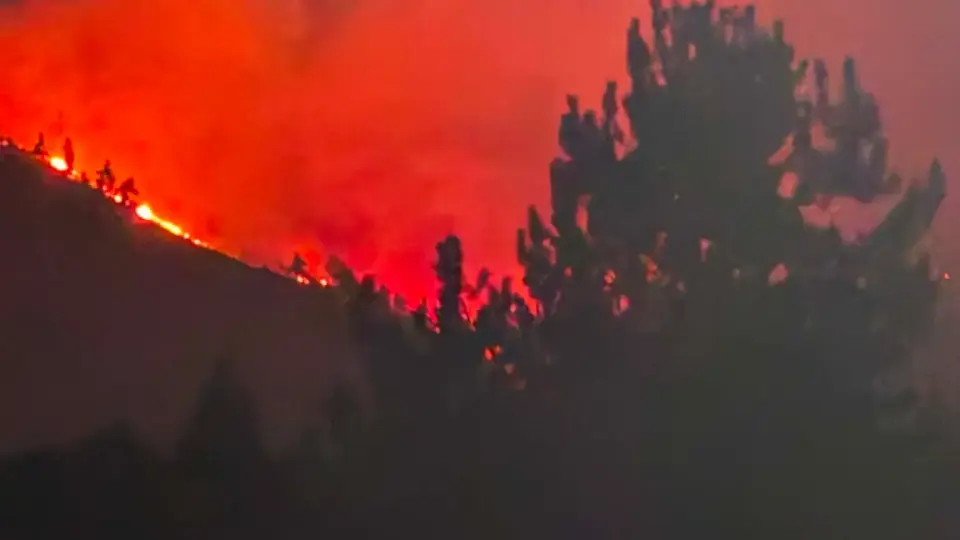
The Hawk Fire, which started on August 22, 2026, near Somersett in Reno, Nevada, has reached 100% containment as of September 9. The blaze burned 15,085 acres, destroyed 47 homes, and caused one fatality. President Trump approved a federal emergency declaration on September 2, enabling FEMA assistance for recovery. All evacuations were lifted on September 3, and power was fully restored by August 27.
Key points
- The fire started at 11:30 a.m. on August 22, 2026, near Cold Creek Trail in Somersett, growing to 15,085 acres by late August.
- Governor Joe Lombardo declared a state of emergency on August 22, and President Trump approved a federal emergency declaration on September 2, 2026.
- Evacuation orders expanded to include Somersett, Lemmon Valley, and areas north of West Seventh Street, with shelters established at the Reno-Sparks Convention Center.
- The fire destroyed 47 homes and damaged 14 others, with one fatality confirmed: 83-year-old Hayde Medina-Valiente.
- NV Energy restored power to all affected customers by August 27, 2026, after 60,000 customers were initially without service.
Background
The Hawk Fire emerged during a period of extreme fire risk in Nevada, following earlier wildfires like the Bug Fire and Stallion Fire, which were 94% and 98% contained, respectively, as of August 21, 2026. The fire’s rapid growth was fueled by Red Flag conditions, including gusty winds up to 40 mph and humidity as low as 12%, as reported by the National Weather Service. This incident followed a pattern of severe wildfires in the region, including the Spokane Firestorm in August 2026, which destroyed hundreds of homes in Washington state.
How outlets are covering it
The Reno Gazette Journal emphasized the immediate impact of the fire, including expanded evacuations and the declaration of a state of emergency by Governor Joe Lombardo. KRXI2 focused on the fire’s growth to 15,000+ acres and its 27% containment by late August, highlighting the scale of the response. KOLO detailed the logistical challenges, such as road closures on U.S. 395 and the shift of evacuation centers from the Evelyn Mount Northeast Community Center to the Reno-Sparks Convention Center. KTVN provided the long-term perspective, confirming the fire’s 100% containment by September 9 and the federal assistance approved by President Trump on September 2, 2026. While all outlets agreed on the fire’s severity, KTVN and KRXI2 differed in their emphasis, with KTVN focusing on recovery and federal support, and KRXI2 on the fire’s rapid growth and containment progress.
Why it matters
The Hawk Fire underscores the growing threat of wildfires in the American West, driven by climate change and extreme weather conditions. The federal emergency declaration and the extensive recovery efforts highlight the need for robust disaster response and mitigation strategies. The fire’s impact on infrastructure, including power outages and road closures, demonstrates the vulnerability of urban areas to natural disasters and the importance of preparedness and coordination among local, state, and federal agencies.
What to watch
Recovery efforts will continue, with focus on rebuilding infrastructure, including utility poles and gas service, and providing housing assistance through the Nevada Attainable Housing Account. Preliminary damage assessments will be conducted to determine eligibility for additional federal assistance. Residents are advised to monitor updates from local authorities and utility companies for ongoing recovery efforts.
- Hawk Fire threatens 1,000 homes as evacuation orders expand Reno Gazette Journal
- Hawk Fire near Peavine Mountain now more than 10,000 acres; evacuations in place KRXI2
- Hawk Fire forces evacuations and road closures in north Reno KOLO | 8 News Now
- Evacuation orders expanding north of the Hawk Fire | Fire Watch | 2news.com KTVN
- Brush fire in Nevada grows to over 10,500 acres Yahoo
Want the full story? Read the original reporting
Read on Reno Gazette Journal