
Gomez Resigns After Ethics Panel Cites 'Substantial Evidence' of Nonconsensual Contact
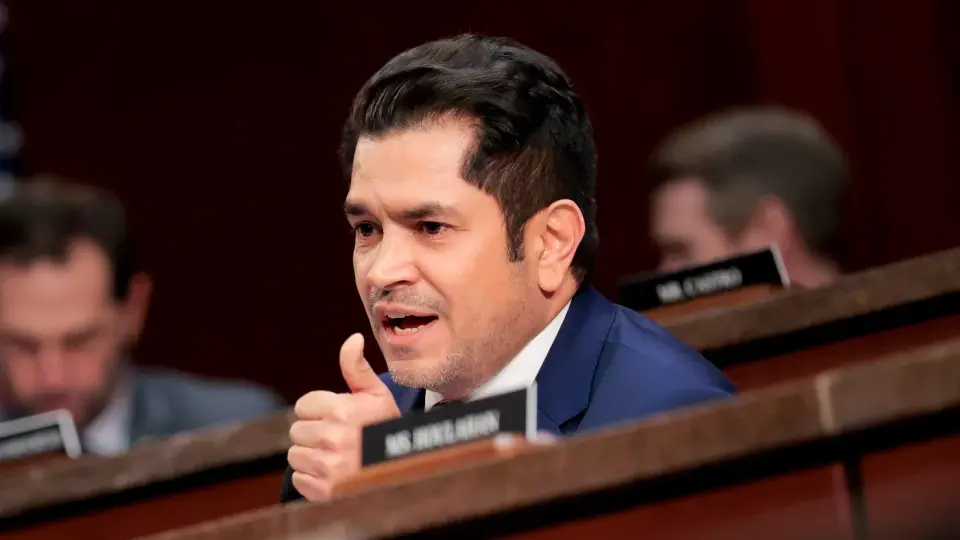
U.S. Representative Jimmy Gomez (D-Calif.) announced he will resign from Congress effective December 1, 2026, following a House Ethics Committee report finding 'substantial evidence' of sexual misconduct. The bipartisan panel concluded Gomez violated House rules by making unwelcome sexual advances toward a staffer, conduct that could constitute criminal misdemeanor sexual abuse. Gomez, who lost his reelection bid this month, disputed the findings but stated he saw no alternative to resignation. The report details two alleged incidents in 2024, including nonconsensual contact at a bar and in his office, which contributed to the staffer leaving her job. This is the third resignation this year linked to sexual misconduct allegations, following Eric Swalwell and Tony Gonzales.
Key points
- Gomez will resign effective December 1, 2026, after the House Ethics Committee released its report on Monday.
- The committee found 'substantial evidence' Gomez engaged in unwelcome sexual conduct with a House staffer, violating the Code of Official Conduct.
- The report alleges Gomez made nonconsensual sexual contact at a Washington, D.C., bar in February 2024 and in his congressional office in July 2024.
- Gomez disputed the findings, claiming the report selectively quoted his testimony and omitted key portions, but acknowledged 'personal mistakes' outside his marriage.
- The staffer, identified as Witness 1, testified that the encounters were nonconsensual and caused her significant distress, leading to her departure from Capitol Hill.
- The Ethics Committee stated it lacked sufficient time to pursue a formal House sanction before Gomez’s departure, though it recommended the full House consider his conduct.
Background
Gomez’s resignation follows a pattern of high-profile departures from Congress due to sexual misconduct allegations in 2026. In April, California Democrat Eric Swalwell resigned after allegations of sexual assault and misconduct, and Texas Republican Tony Gonzales resigned after admitting to an affair with a former staff member. The House Ethics Committee has faced increased scrutiny this year, leading to new procedural rules aimed at accelerating investigations. Gomez’s case was initially triggered by a report of him kissing a staffer at a party hosted by Swalwell, though Gomez denied those specific allegations. The committee’s investigation expanded to include testimony from two women, one of whom alleged nonconsensual contact. Gomez’s loss in the November 2026 election, where he trailed his opponent by a significant margin, occurred amid the ongoing investigation, which became a focal point of his campaign.
How outlets are covering it
NPR and The New York Times emphasized the Ethics Committee’s finding of 'substantial evidence' and the potential for criminal liability, noting the report’s conclusion that Gomez’s conduct could constitute criminal misdemeanor sexual abuse. Axios highlighted the broader context of three separate misconduct reports released Monday, including campaign finance violations by Rep. Mike Collins and Rep. Troy Nehls, framing Gomez’s case as part of a wave of scandals. BBC focused on the staffer’s testimony, quoting her description of the bar incident as 'nonconsensual whatsoever' and her attorneys’ call for Congress to address a 'toxic and predatory culture.' Gomez’s own statement, cited by all outlets, disputed the committee’s methodology, claiming his testimony was selectively quoted and that he took responsibility for 'personal mistakes' outside his marriage, though he denied the specific allegations of nonconsensual contact. The committee’s decision not to pursue a formal sanction due to time constraints was noted by NPR and Axios, while BBC highlighted the staffer’s decision to leave her job as a direct consequence of the alleged misconduct.
Why it matters
Gomez’s resignation underscores ongoing efforts by Congress to address sexual misconduct and power imbalances between lawmakers and staff. The Ethics Committee’s recent rule changes aim to expedite investigations and enhance transparency, reflecting a shift in institutional response to such allegations. The case also highlights the political consequences of misconduct investigations, as Gomez’s loss in the November 2026 election was influenced by the ongoing scrutiny. The resignation adds to a pattern of high-profile departures in 2026, signaling a potential change in congressional accountability standards. The report’s finding that the conduct could constitute a criminal offense, though no charges have been filed, raises questions about the intersection of ethical violations and legal liability for public officials.
What to watch
Gomez’s resignation will take effect on December 1, 2026, ending his five-term tenure in Congress. The House Ethics Committee will not pursue a formal sanction against him due to his impending departure, but the report’s findings may inform future proceedings or public discourse. The committee’s new rules, adopted last week, will apply to ongoing and future investigations, potentially leading to faster resolutions of similar cases. The staffer’s departure from Capitol Hill and the broader cultural critique of misconduct in Congress may prompt further legislative or institutional reforms. No legal charges have been filed against Gomez, and the case is expected to close with his resignation, though the report’s conclusions may influence public perception of congressional accountability.
- California Democrat Rep. Gomez resigns following ethics report on sexual misconduct allegations NPR
- Rep. Jimmy Gomez Resigns After Panel Alleges Unwanted Sexual Contact With Aide The New York Times
- House Ethics finds misconduct by three outgoing lawmakers Axios
- California Democrat Jimmy Gomez to resign from Congress after evidence of sexual misconduct BBC
- Rep. Jimmy Gomez to resign after House Ethics panel finds evidence of sexual misconduct CBS News
Want the full story? Read the original reporting
Read on NPR