
Bessent Blames Global Factors for Bond Yield Spike as Congress Scrutinizes Iran War and Inflation
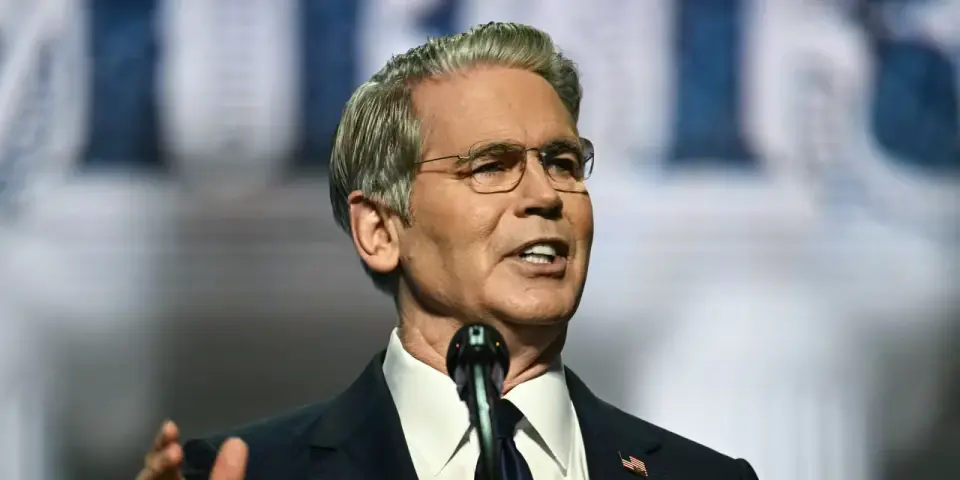
Treasury Secretary Scott Bessent testified before the House Financial Services Committee on September 15, 2026, defending the administration’s economic record while attributing rising bond yields to global issues. The 10-year Treasury yield hit 5.04%, its highest level in 19 years, driven by surging oil prices from the Iran conflict and inflation concerns. Bessent emphasized strong wage growth and tax cuts, while Democrats pressed him on affordability and the Federal Reserve’s expected rate hike.
Key points
- The 10-year Treasury yield reached 5.04% on Tuesday, the highest level since 2007, before settling slightly lower.
- Bessent blamed rising yields on global factors, including the Iran war and oil prices, rather than domestic policy failures.
- The Federal Reserve is expected to raise interest rates by 25 basis points, defying President Trump’s calls for cuts.
- Bessent defended the Iran war, calling it the 'greatest economic isolation campaign' in history against Iran.
- Democrats, led by Maxine Waters, questioned Bessent on high consumer prices, mortgage rates, and AI regulation.
Background
Bessent’s testimony follows a period of rising bond yields and market volatility. In late August, he argued that rising yields reflected growth expectations rather than debt concerns. By mid-September, however, yields had surged past 5%, contradicting his earlier bets that the administration could lower borrowing costs. The administration has faced criticism for its handling of the Iran conflict, which has driven oil prices above $100 a barrel and increased fuel costs for consumers.
How outlets are covering it
MarketWatch and CNBC focused on Bessent’s defense of the Iran war and his attribution of rising yields to global factors. The New York Times highlighted the tension between Bessent and Democrats, particularly Maxine Waters, who pressed him on inflation and AI regulation. Bessent was dismissive of AI concerns, stating that developers could 'stop any time they want to.' All outlets noted the 10-year yield hitting 5%, but the New York Times emphasized the political fallout, including protesters calling Bessent a 'war criminal.' CNBC highlighted the administration’s focus on wage growth and tax cuts as signs of economic strength, while the New York Times noted the rising cost of consumer loans and mortgages.
Why it matters
The rising bond yields directly impact consumer borrowing costs, including mortgages and auto loans, at a time when inflation remains high. The Federal Reserve’s expected rate hike could further increase borrowing costs, potentially affecting the upcoming midterm elections. Bessent’s testimony highlights the tension between the administration’s economic priorities and the reality of rising costs for Americans, as well as the growing political pressure on the Federal Reserve to cut rates despite inflationary pressures.
What to watch
The Federal Reserve is expected to announce its interest rate decision on Wednesday, with a 25 basis point hike widely anticipated. Bessent is scheduled to meet with Chinese officials this weekend before President Xi Jinping’s state visit to the United States later in October. The administration will likely continue to defend its economic policies, while Democrats may press for more scrutiny of the Federal Reserve and the impact of the Iran war on the economy.
- Bessent testifies before Congress today: Treasury chief defends his record, says rising bond yields due to global issues — live updates MarketWatch
- Live Updates: Treasury Secretary Bessent Testifies Before House Panel on Economy nytimes.com
- Treasury Secretary Bessent defends Trump economic record in contentious hearing CNBC
- Democrats grill Scott Bessent on bond yields and energy costs qz.com
- Live: Bessent testifies before Congress as US Treasury yields hit fresh high Reuters
Want the full story? Read the original reporting
Read on MarketWatch