
UK to Approve Jackdaw Gas Field, Igniting Climate and Political Row
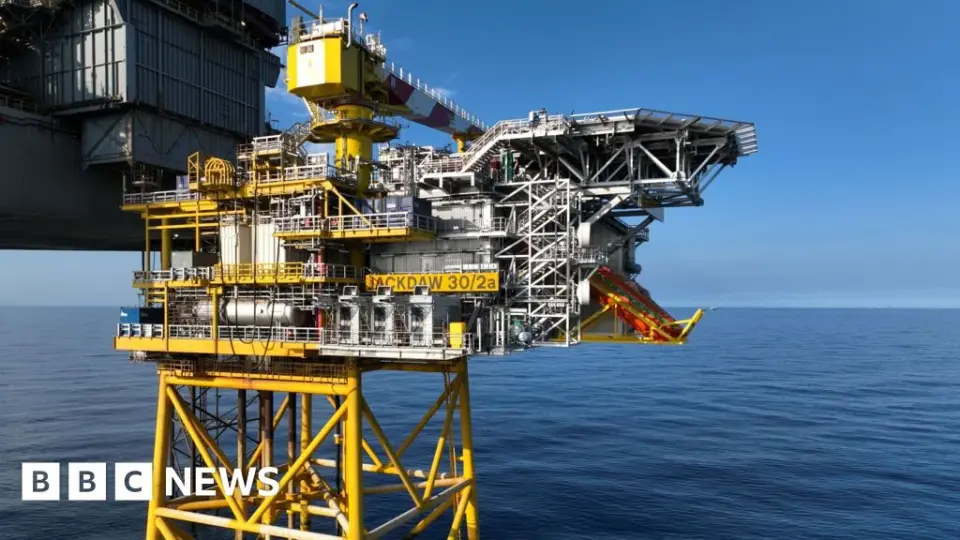
The UK government is set to approve the Jackdaw gas field on Wednesday, a move that boosts Shell and Equinor but risks alienating Labour’s green base and climate campaigners. Energy Secretary Miatta Fahnbulleh and Chancellor John Healey will announce the decision in Aberdeen, arguing it does not violate Labour’s pledge against new North Sea licenses. Critics warn the field offers minimal long-term energy security while undermining climate credibility, with the more contentious Rosebank oil field decision pending later this year.
Key points
- Approval for Jackdaw, one of the largest undeveloped North Sea gas fields, is expected Wednesday, signaling a pragmatic shift in Labour’s energy stance.
- The field will account for 6% of North Sea gas production but only 2% of UK gas demand for about a decade, according to campaign group Uplift.
- Labour argues the approval is not a new license, thus complying with its 2024 manifesto promise, despite earlier environmental rulings invalidating prior consents.
- Conservative leader Kemi Badenoch urged PM Andy Burnham to stop 'faffing about' with North Sea decisions, while Trump had previously pressured UK leaders to open the North Sea.
- The Rosebank oil field, which produces seven times the CO2 of Jackdaw, remains undecided, with officials exploring linking its tax proceeds to green projects.
Background
The Jackdaw and Rosebank fields were originally approved by the Conservative government in 2022 to shield the UK from energy volatility after Russia’s invasion of Ukraine. Labour came to power in 2024 promising no new North Sea licenses, but a 2025 court ruling invalidated their environmental approvals, forcing a re-decision. The archive shows no direct prior coverage of this specific issue, but the broader 2026 political climate includes heightened US-UK energy tensions and domestic debates over fossil fuel subsidies versus green investment.
How outlets are covering it
The Guardian frames the decision as a betrayal of Labour’s green credentials, highlighting outrage from climate groups like Uplift and E3G, and noting that nearly a third of voters, including many Labour supporters, may switch allegiance. It emphasizes the field’s limited energy impact and the greater environmental harm of the pending Rosebank decision. The BBC, by contrast, focuses on the political urgency, quoting Conservative leader Kemi Badenoch’s demand for swift action and framing the announcement as a necessary resolution to prolonged 'faffing about.' The two outlets diverge on tone: The Guardian stresses climate and electoral consequences, while the BBC highlights the cross-party pressure for decisive energy policy.
Why it matters
The Jackdaw approval tests Labour’s ability to balance energy security, climate commitments, and electoral support. It could strengthen the party in north-east Scotland but risk alienating younger voters and Green Party challengers. The decision also sets a precedent for the larger Rosebank oil field, which could significantly impact UK emissions and energy exports. Ultimately, it reflects the ongoing tension between fossil fuel reliance and net-zero goals in a declining North Sea basin.
What to watch
Watch for the official announcement in Aberdeen on Wednesday, including statements from Fahnbulleh, Healey, and NSTA chief Stuart Payne. The Rosebank decision is expected later in 2026, with potential conditions linking tax proceeds to green projects. Political fallout among Labour MPs and climate campaigners will likely intensify, especially in constituencies facing Green Party challenges.
- UK government to make Jackdaw gas field announcement BBC
- Andy Burnham faces climate revolt after approval of North Sea gas drilling The Guardian
- UK to approve development of Jackdaw gasfield in North Sea Financial Times
- Britain Is Said to Approve New Gas Drilling in the North Sea The New York Times
- UK Expected to Approve Contentious North Sea Jackdaw Gas Field Bloomberg.com
Want the full story? Read the original reporting
Read on BBC