
Gulf Oil Flows Recover but at Higher Cost and Risk
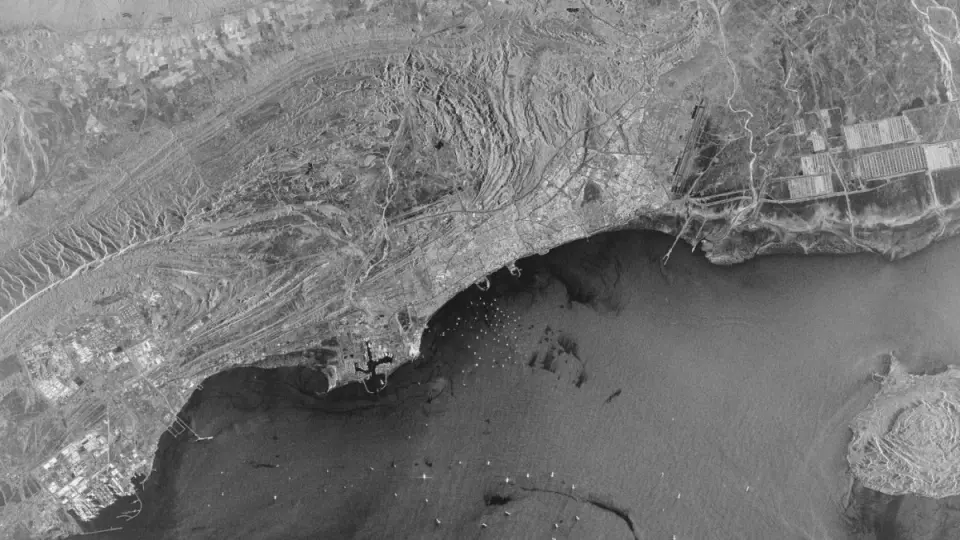
Gulf oil exports have rebounded to near pre-war levels, but Standard Chartered warns that flows remain far from normal due to inefficient workarounds. While volumes have recovered, the system relies on costly ship-to-ships transfers and bypass routes, leaving little spare capacity for further disruptions.
Key points
- Standard Chartered estimates Gulf crude and condensate exports reached 16.5 million barrels per day in September, matching pre-war volumes, but only 60% crossed the Strait of Hormuz compared to 83% previously.
- Exporters are using complex workarounds, including ship-to-ships transfers and bypass pipelines, which have increased freight and security costs, with discounts of up to $9 per barrel reported for cargoes loaded offshore Oman.
- Saudi Arabia’s exports rebounded to 6.9 million barrels per day in September from 2.45 million in August, aided by the restart of the East-West pipeline and increased use of the east coast.
- Iran’s seaborne crude exports have fallen to near zero from 1.7 million barrels per day due to a U.S. naval blockade, weakening its leverage over the strait but increasing the risk of military escalation.
- The New York Times reports at least 11 tankers have been attacked in and around the Strait of Hormuz since last Monday, highlighting the fragility of the current energy trade despite rising volumes.
Background
Since the U.S.-Israel war on Iran began in February, oil flows through the Strait of Hormuz have fluctuated significantly. In August, Goldman Sachs noted that crude shipments had rebounded to about two-thirds of pre-war levels, though still below pre-conflict volumes. Recent reports indicate that while oil flows have recovered, the market remains tense due to ongoing attacks and the high cost of maintaining these workarounds.
How outlets are covering it
Standard Chartered emphasizes that while Gulf exporters have shown resilience by moving oil through alternative routes, the system is less efficient and more expensive, with saturated ship-to-ships capacity and elevated freight costs. The New York Times highlights the fragility of this recovery, noting that recent attacks on tankers and oil infrastructure underscore the risks of the current setup. Al Jazeera suggests that Gulf countries may be paying Iran for safe passage, though this claim remains unverified, and notes that the primary challenge is now the mechanics of shipping rather than just supply volumes.
Why it matters
The recovery in oil flows has reduced the probability of extreme shortage scenarios, but the high cost and inefficiency of current workarounds mean that the market remains vulnerable to further disruptions. The situation could impact global energy prices and supply security, particularly if shipping companies become reluctant to risk vessels through the Strait of Hormuz.
What to watch
Iran has stated that the Strait of Hormuz will remain closed until the U.S. fulfills seven conditions from a June interim agreement. Foreign Minister Abbas Araghchi suggested that Tehran’s latest proposal could lead to the strait reopening within seven days if Washington accepts Iran’s terms. The U.S. and Iran are in a delicate diplomatic and military standoff, with the potential for further escalation or a negotiated resolution.
- Standard Chartered Says Hormuz Oil Flows Are Far From Normal Crude Oil Prices Today | OilPrice.com
- Oil Prices Fall as G-7 Plans Crude, Diesel Release But Hormuz Shipping Risks Persist wsj.com
- Burst of Attacks in Gulf Heightens Fears Over Fragile Energy Trade The New York Times
- Is Iran charging a toll to allow oil traffic through Hormuz? Al Jazeera
- Oil gains as traders weigh Gulf tensions against strong Mideast exports Reuters
Want the full story? Read the original reporting
Read on Crude Oil Prices Today | OilPrice.com