
Army to Detonate 68 Barrels of Unstable Lead Azide in Iowa, Triggering Evacuations and Health Alerts
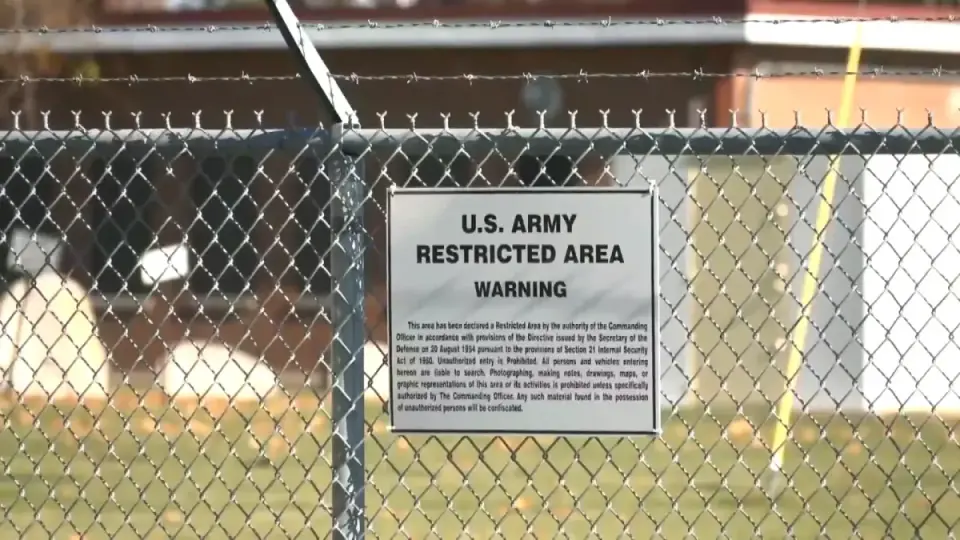
The U.S. Army will detonate 68 barrels of degraded lead azide at the Iowa Army Ammunition Plant in Middletown on Friday, November 20. The material, stored for over 20 years, has become unstable and poses a risk of accidental explosion if moved. Officials advise residents in Middletown and nearby areas to evacuate or stay indoors to avoid exposure to a potential lead dust plume. Schools in the path of the plume have canceled classes, and the EPA has approved an emergency permit for the operation.
Key points
- The U.S. Army plans to detonate 68 barrels of lead azide, weighing approximately 9,700 pounds, at the Iowa Army Ammunition Plant in Middletown, Iowa, on Friday, November 20, around noon.
- The lead azide, stored in earthen-covered containers for over 20 years, has degraded due to evaporation of stabilizing water, making it highly sensitive to friction and shock. Moving the material poses an unacceptable risk of accidental detonation.
- Residents in the Middletown City Park and Butterfly Park neighborhoods are advised to evacuate from 8 a.m. to 2 p.m. due to potential window damage from vibrations. Others should stay indoors with windows and doors closed.
- The detonation is expected to create a lead dust plume that could linger for up to one hour, depending on wind speed. The EPA has approved an emergency permit, requiring the Army to monitor air, soil, and water quality.
- Multiple school districts in southeast Iowa, including Burlington, Mediapolis, Columbus, Danville, and Winfield Mt. Union, have canceled classes on Friday. The Illinois Department of Public Health has urged the military to conduct comprehensive sampling in Illinois.
- University of Iowa experts are deploying air and soil monitors to assess lead levels. Lead is a neurotoxin that poses significant risks to children, and there is no safe level of lead in the body.
Background
The Iowa Army Ammunition Plant in Middletown, Iowa, produces medium- and large-caliber ammunition for the Department of Defense. The lead azide, a primary explosive used in munitions, was discovered to be degrading during a routine check earlier this year. The material had been stored in a bath of ethanol and water to maintain stability, but evaporation led to recrystallization, increasing its sensitivity. The Army, EPA, and local officials have been coordinating the response since March, with public meetings held in October and an emergency permit approved by the EPA on November 13. The operation is part of a broader effort to manage hazardous materials at the facility, which has faced scrutiny over environmental and safety concerns in the past.
How outlets are covering it
NBC Chicago and CNN emphasize the potential health risks and environmental contamination from the lead dust plume, highlighting concerns from residents and officials in Illinois. Iowa Public Radio provides detailed safety tips and notes the Army’s efforts to mitigate the plume through soil wetting and air misting, while also reporting on the lack of advance notice for some communities. ABC News focuses on the logistics of the detonation, including the use of concrete and sand barriers, and the evacuation orders for residents. Political figures, including Sen. Scott Webster and Gov.-elect Rob Sand, have called for more information and independent reviews, while Rep. Mariannette Miller-Meeks supports the Army’s plan as the safest option. University of Iowa experts are monitoring the situation, noting that while the Army’s measures are encouraging, the long-term health impacts remain uncertain.
Why it matters
The detonation highlights the challenges of managing hazardous materials at military installations and the potential health risks to nearby communities. Lead is a neurotoxin that can cause developmental issues in children, and the lack of a safe level of lead in the body underscores the importance of minimizing exposure. The operation also raises questions about the adequacy of advance notice and the transparency of the Army’s decision-making process. The long-term environmental impact, including soil and water contamination, will require ongoing monitoring and assessment.
What to watch
The Army will conduct air, soil, and water sampling during and after the detonation, with the EPA and University of Iowa experts monitoring the results. Residents are advised to clean outdoor surfaces and wash hands to minimize exposure. The Army will release updated plume maps before and after the operation. Long-term testing of soil, groundwater, and surface runoff will be conducted, with oversight from the EPA and the Iowa Department of Natural Resources. The public is encouraged to stay informed through official channels and to seek medical advice if concerned about lead exposure.
- The US Army plans to detonate 5 tons of explosives in Iowa. Could toxic lead dust reach Illinois? NBC Chicago
- Army releases new maps showing potential locations of lead exposure during Friday's controlled detonation WQAD
- What public health experts say about Friday's lead azide detonation Iowa Public Radio
- What to know as nearly 10,000 pounds of lead azide to be detonated at Army plant, causing lead dust plume ABC News - Breaking News, Latest News and Videos
- Iowans brace for a lead dust cloud as Army plans to detonate 5 tons of bomb-making chemicals CNN
Want the full story? Read the original reporting
Read on NBC Chicago