
Hawaii's 550-year-old Hōlei Sea Arch collapses into Pacific after storm season
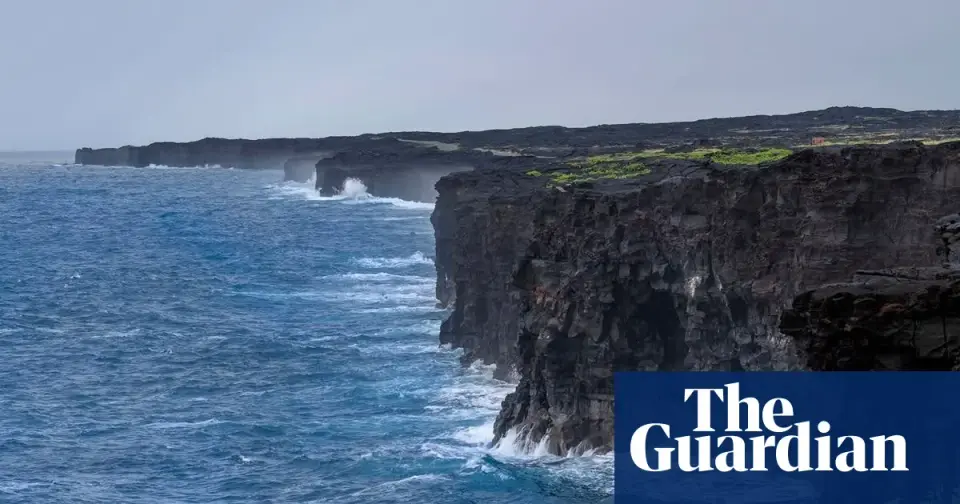
The Hōlei Sea Arch, a 90-foot natural landmark in Hawaii's Volcanoes National Park, has collapsed into the Pacific Ocean. The structure, which stood for approximately 550 years, was confirmed standing on September 23 but was gone by September 27, 2026. The collapse occurred during a park closure for Tropical Storm Nolo, following a period of intense storm activity in the Pacific.
Key points
- The Hōlei Sea Arch, located on the southern coast of the Big Island, collapsed between September 23 and September 27, 2026.
- The National Park Service confirmed the arch was still standing on September 23 but missing when the park reopened on September 28.
- The collapse is attributed to long-term differential erosion and damage from the 2018 Kīlauea volcanic eruption.
- Tropical Storm Nolo, which intensified into a hurricane on September 24, caused the park to close temporarily, during which the arch likely fell.
- Hawaii experienced an unusually high number of severe storms this year, consistent with El Niño conditions.
Background
The Hōlei Sea Arch was a popular tourist destination formed by ancient lava flows. In 2020, the park closed the original viewing area due to instability and opened a safer one. The 2018 Kīlauea eruption had already damaged the cliffs. This year, Hawaii faced multiple major storms, including hurricanes Lala and Lowell, and Tropical Storm Nolo, amid an El Niño-driven active Pacific.
How outlets are covering it
The National Park Service emphasized the long-term erosion and volcanic damage as the primary causes, noting the collapse was expected. The Guardian highlighted the broader context of El Niño and fossil fuel-driven climate change, linking the storm activity to global warming. CNN focused on the emotional impact on visitors and the natural process of differential erosion. BBC noted the arch's status as a heavily photographed tourist destination. All sources agree on the timeline and the role of Tropical Storm Nolo, but differ in emphasis: NPS on geological inevitability, The Guardian on climate drivers, and CNN/BBC on the cultural and tourist significance.
Why it matters
The collapse marks the end of a centuries-old natural landmark, highlighting the vulnerability of coastal formations to erosion and extreme weather. It underscores the increasing frequency of severe storms in the Pacific due to El Niño and climate change, posing risks to other coastal features and infrastructure in Hawaii.
What to watch
The National Park Service has urged visitors to stay away from unstable cliff edges and closed areas. The park may continue to monitor the coastline for further erosion. Forecasters expect continued storm activity in the Pacific due to El Niño, which could impact other coastal features in Hawaii.
- Hawaii’s centuries-old sea arch collapses into Pacific after series of rough storms The Guardian
- Hawaii’s famed Hōlei Sea Arch has collapsed CNN
- The Holei Sea Arch, a Centuries-Old Hawaii Wonder, Crumbles Into the Pacific The New York Times
- Hōlei Sea Arch Collapses in Hawaiʻi Volcanoes National Park National Park Service (.gov)
- Hawaii's iconic 500-year-old Hōlei Sea Arch has collapsed into the sea BBC
Want the full story? Read the original reporting
Read on The Guardian