
Trump scorns Iran’s Hormuz roadmap, signaling post-midterm escalation
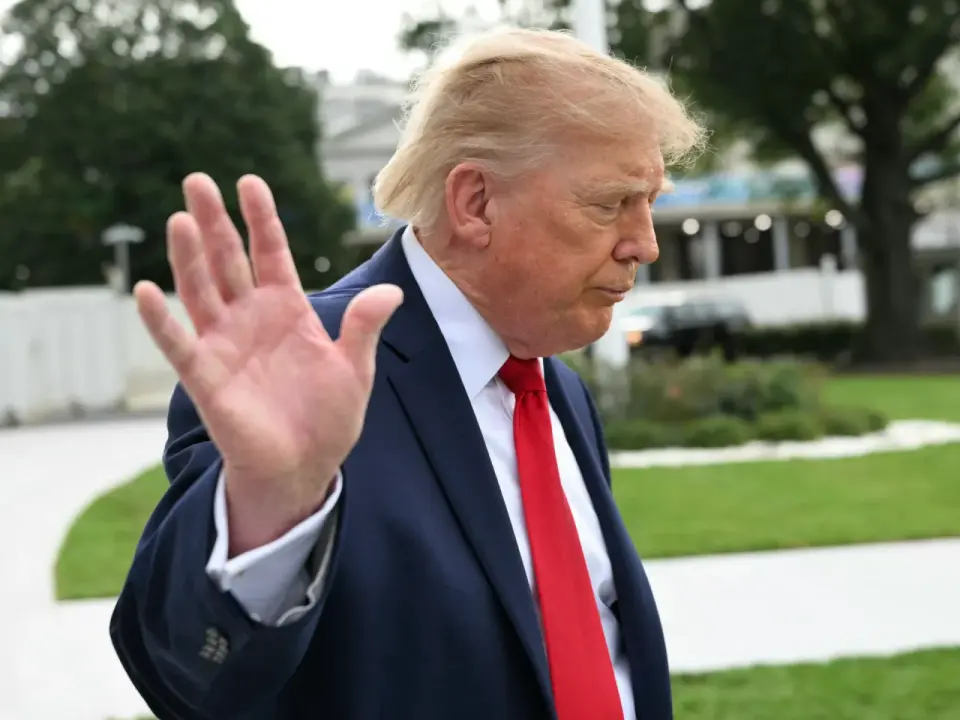
President Donald Trump publicly rejected Iran’s seven-day roadmap to reopen the Strait of Hormuz, dismissing it as a desperate attempt by Tehran to secure a deal. While Iranian officials maintain that a negotiated solution is the only path forward, Washington’s stance suggests a preference for maintaining leverage until after the November midterm elections. The impasse has intensified global energy concerns, with the EU warning of a price crisis and oil prices fluctuating on diplomatic hopes.
Key points
- Trump rejected Iran’s proposal, stating it was unacceptable and driven by Iran’s perceived weakness.
- Iran’s plan, mediated by Qatar, requires the US to lift its naval blockade, waive oil sanctions, and release $12 billion in frozen assets within seven days.
- Iranian President Masoud Pezeshkian stated Tehran no longer trusts Washington, citing previous broken agreements followed by attacks.
- The US maintains a strong negotiating position, having escorted nearly 40 million barrels of oil through the strait in 48 hours, while Iran’s crude exports have dropped to zero.
- Trump has signaled he expects to renew bombing campaigns after the November midterm elections, contradicting earlier optimistic remarks about talks.
Background
The current standoff follows the collapse of a June memorandum of understanding that briefly extended a ceasefire. That deal fell apart in early July after Iran began firing on ships it deemed to be using unauthorized routes. The conflict has now lasted nearly seven months, with the US imposing a naval blockade on Iranian ports since July 14. Previous attempts at mediation, including a 60-day process, have failed to produce a lasting resolution, leading to the current seven-day proposal as an accelerated attempt to restart dialogue.
How outlets are covering it
Al Jazeera and the Financial Times highlight the sharp contrast between Trump’s public rejection and the ongoing technical negotiations in New York. While Trump dismissed the proposal, CBS News reports that US officials described talks as 'positive and constructive' but emphasized they are not in a rush due to their military advantage. Iranian officials, including Foreign Minister Abbas Araghchi, argue that only a negotiated solution can resolve the deadlock, while President Pezeshkian expressed deep distrust of US intentions. The Wall Street Journal, cited by Al Jazeera, suggests Trump is privately skeptical of Iran’s compliance and plans to resume strikes after the midterms, a timeline Iran’s president contradicted by claiming Tehran seeks a deal before the elections.
Why it matters
The rejection of the roadmap risks prolonging the conflict, which has already driven oil prices to approximately $103 per barrel and triggered warnings of an energy price crisis in the European Union. The Strait of Hormuz is critical for global oil supply, and its continued closure threatens to exacerbate inflation and economic instability worldwide. The US decision to delay a deal until after the midterms may prioritize domestic political calculations over immediate global energy security, potentially leading to further military escalation and regional instability in the Middle East.
What to watch
Iran is awaiting a formal response from Washington through Qatari mediators before deciding on next steps. If the US maintains its current stance, Iran may resume military operations or further restrict maritime passage. The US is expected to continue its naval blockade and potentially resume bombing campaigns after the November midterm elections, as suggested by Trump. Oil markets will likely remain volatile, with prices sensitive to any shifts in diplomatic rhetoric or military action. The EU may implement measures to reduce energy demand in response to the ongoing supply crisis.
- Trump rejects Iran’s seven-day roadmap to reopen Strait of Hormuz Al Jazeera
- Exclusive | Trump Rejects Iran Ceasefire, Expects Renewed Bombing After Midterms WSJ
- Iran War Updates: Trump rejects 7-day plan to reopen Strait of Hormuz CBS News
- Trump Rejects Iran’s Cease-Fire Proposal to Reopen Strait of Hormuz The New York Times
- Trump rejects Iran’s ceasefire proposal to reopen Strait of Hormuz Financial Times
Want the full story? Read the original reporting
Read on Al Jazeera