
UAE Severs Iran’s Economic Lifeline, Closing Sanctions Loophole
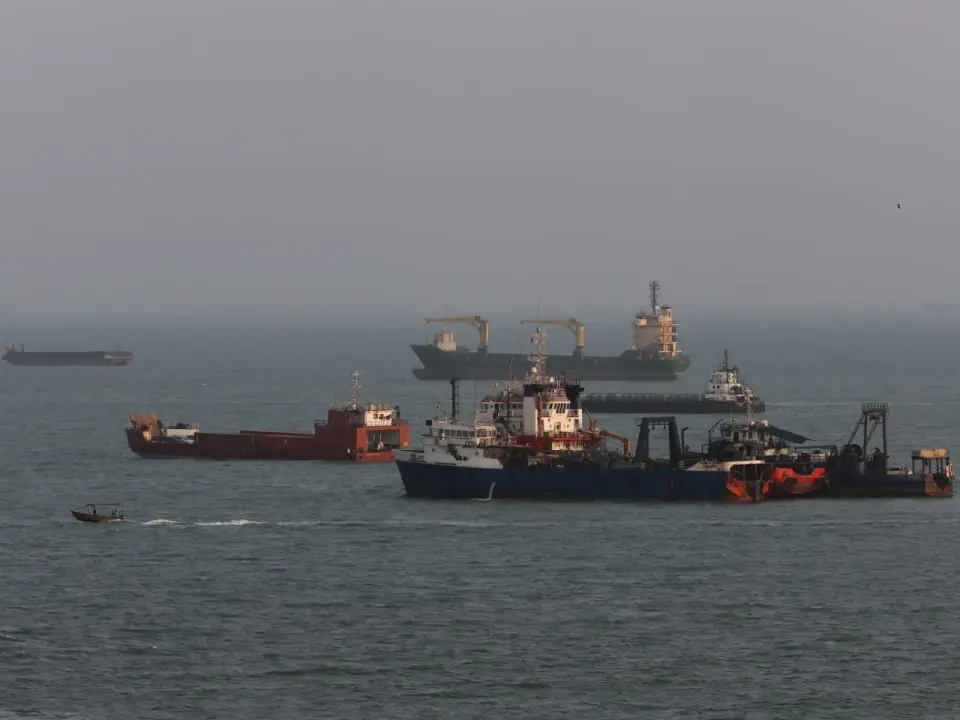
The United Arab Emirates has imposed an indefinite trade and financial embargo on Iran, citing recent ballistic missile incidents. This move cuts off a critical economic conduit for Tehran, valued at approximately $21 billion annually, which had allowed Iran to bypass US sanctions. While the UAE accuses Iran of targeting maritime traffic, Tehran denies involvement, labeling the incident a 'false flag' operation. The embargo coincides with the collapse of US-Iran diplomatic talks and a naval blockade, intensifying regional isolation for Iran.
Key points
- The UAE Ministry of Foreign Affairs announced a halt to all trade, commercial exchanges, and financial transactions with Iran 'until further notice' on Wednesday.
- The decision followed the UAE’s claim that two ballistic missiles launched from Iran targeted maritime traffic, with one falling in UAE territorial waters and the other outside; Iran denied the attack.
- The UAE supplied 31% of Iran’s imports in 2024, valued at roughly $21 billion, serving as a primary conduit for goods and financial flows that bypassed US sanctions.
- The embargo coincides with the expiration of a June memorandum of understanding between the US and Iran, with no new diplomatic talks scheduled as of this week.
- Iranian officials described the UAE’s accusation as baseless and a 'false flag' operation, while US Treasury Secretary Scott Bessent indicated plans to intensify economic pressure on Tehran.
Background
This development follows a broader US-Israeli war on Iran that began in February 2026 with strikes on Tehran. During the initial six weeks of conflict, Iran launched over 530 ballistic missiles and 2,200 drones at Gulf states, with the UAE being the most targeted nation. Previous incidents included strikes on Dubai’s Jebel Ali port and Abu Dhabi’s Musaffah fuel terminal. The current embargo marks a shift from military confrontation to a comprehensive economic severance, building on earlier suspensions of direct cargo shipping in March 2026.
How outlets are covering it
Al Jazeera and Fox News emphasize the UAE’s role as a critical economic lifeline for Iran, with Fox News citing World Trade Organization data that the UAE accounted for 31% of Iran’s imports. Al Jazeera highlights the financial dimension, noting Dubai’s role in helping Iran move money around international sanctions. CNN focuses on the diplomatic impasse, noting that the embargo occurs as US-Iran talks collapse and the Strait of Hormuz remains disputed. CNBC reports on the broader regional instability, including Iran’s potential consideration of attacks on US military targets in Europe, while noting that shipping traffic through the Strait of Hormuz remains low despite US claims of reopening. All sources agree on the UAE’s embargo but differ in emphasis: Al Jazeera and Fox News focus on the economic impact, while CNN and CNBC highlight the military and diplomatic deadlock.
Why it matters
The UAE’s embargo closes a major loophole in US sanctions, potentially crippling Iran’s ability to import essential goods and move funds. With the UAE supplying nearly one-third of Iran’s imports, this move could exacerbate existing shortages and inflation in Iran, as noted by Iranian Foreign Minister Abbas Araghchi. The embargo also signals a shift in regional alliances, with Gulf states aligning more closely with US pressure on Iran. This could further isolate Iran diplomatically and economically, potentially leading to increased instability in the Strait of Hormuz, a critical global oil chokepoint.
What to watch
The UAE’s embargo is indefinite, with no timeline for resumption. The US has not coordinated this move with its own naval blockade, but both actions aim to intensify economic pressure on Iran. Diplomatic talks between the US and Iran have stalled, with Trump stating no talks are scheduled. Iran may respond by escalating military actions, including potential attacks on US targets in Europe, as reported by the Financial Times. The situation in the Strait of Hormuz remains volatile, with low shipping traffic and recent attacks on vessels. The expiration of the June memorandum of understanding suggests no immediate resolution to the conflict.
- UAE trade embargo could shut Iran’s key economic escape route: Here’s why Al Jazeera
- Iran loses key economic lifeline in Middle East that Trump's sanctions couldn't reach as deadlock persists Fox News
- Live updates: UAE halts trade with Iran after accusing Tehran of firing ballistic missiles CNN
- UAE severs trade with Iran after reported missile strike CNBC
- U.A.E. Announces Halt to Trade With Iran Amid Trump’s Push To Isolate Tehran The New York Times
Want the full story? Read the original reporting
Read on Al Jazeera