
Beijing codifies exit bans to lock in capital and tech talent
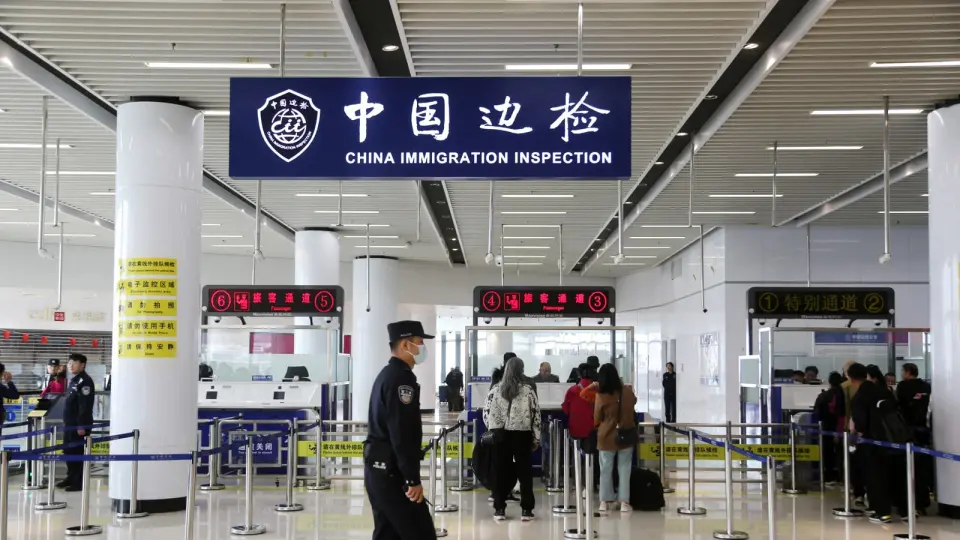
China’s State Council has enacted new border-control regulations effective Tuesday that grant authorities explicit legal power to bar nationals from departing the country. The rules target individuals involved in export-control or technology-transfer violations deemed threats to national security, as well as wealthy households attempting to move assets abroad. By formalizing previously ad hoc travel restrictions, Beijing aims to retain critical talent and capital to support its innovation goals and competition with the United States. The measures also pressure private bankers, trust companies, and immigration agencies that facilitate offshore wealth transfers, while banning foreign firms from providing exit-entry services within mainland China.
Key points
- New State Council regulations take effect Tuesday, converting ad hoc travel bans into a permanent legal tool for preventing capital and talent flight.
- Authorities can block departures for violations of export-control or technology-transfer rules, particularly affecting tech professionals and those in sensitive private-sector roles.
- The rules target wealthy households facing a widening tax dragnet, including a 20% income tax on assets moved into offshore trusts since 2023.
- Foreign companies are barred from providing exit-entry immigration services within mainland China, forcing intermediaries to establish onshore entities.
- Private bankers are altering behavior, such as rebranding investment seminars as jewelry exhibitions or sending sensitive documents via courier to avoid customs scrutiny.
Background
This development follows a series of recent tightening measures by Beijing, including sweeping exit-entry regulations for civil servants and state-owned enterprise staff announced in September 2026. Earlier in the month, China imposed a 20% income tax on assets moved into offshore trusts and levied taxes on overseas-earned salaries, closing loopholes used for asset protection. These actions align with broader efforts to secure national security and technological competitiveness amid geopolitical tensions with the U.S.
Why it matters
The formalization of exit controls signals a shift from discretionary enforcement to a structured legal framework, increasing the risk for individuals and firms attempting to move assets or personnel abroad. This could accelerate the consolidation of wealth within China while raising compliance costs for global financial and immigration services. The rules also provide Beijing with additional leverage in trade negotiations by linking individual exit rights to export-control compliance, potentially affecting global supply chains and talent mobility in the tech sector.
What to watch
Local authorities are expected to enforce the new rules more strictly, with tightened document checks to avoid blame for lax implementation. Private bankers and wealth managers may continue to adapt their practices to navigate the new restrictions, while wealthy individuals with remaining ties in China are likely to choose compliance over emigration. The impact on offshore wealth management and immigration agencies will depend on how quickly onshore entities are established and how retroactively the rules are applied.
Want the full story? Read the original reporting
Read on CNBC