
White House Report Accuses 40 Nations of Enabling China’s Tariff Evasion
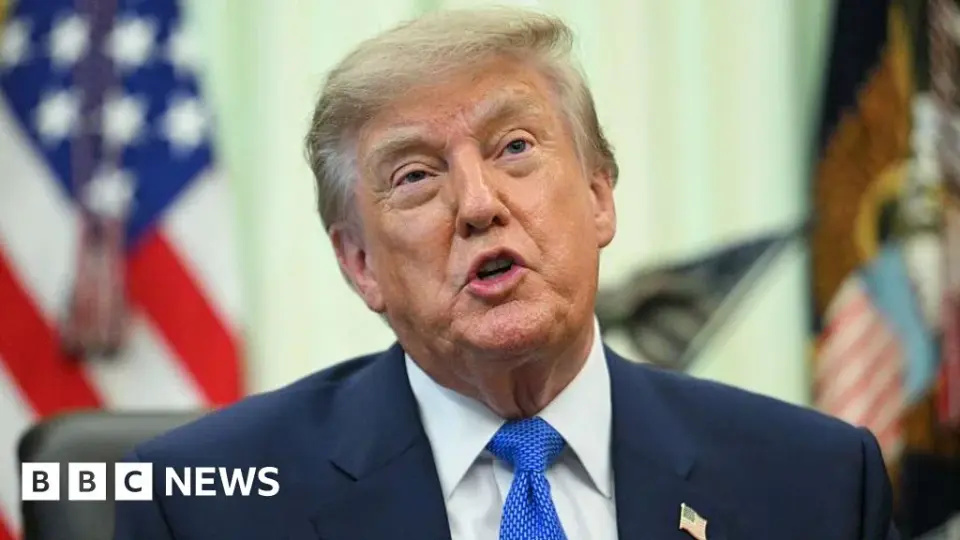
The White House released a report accusing over 40 countries of facilitating Chinese tariff evasion through transshipment, a practice estimated to cost the US $19–26 billion annually. The report, titled 'The Great Transshipment Scam,' highlights how goods are rerouted through third nations to avoid higher duties. Trade adviser Peter Navarro warned that this 'fraud cloaked in paperwork' undermines US revenue and jobs. The US is deploying AI tools to detect these shipments ahead of a planned September meeting between President Trump and Chinese leader Xi Jinping. China’s embassy rejected the claims, stating that trade wars have no winners and opposing unilateral actions that harm third parties.
Key points
- The White House report identifies more than 40 countries, including Canada, India, Mexico, Japan, and South Korea, as key nodes in a global network used to reroute Chinese exports.
- The practice of transshipping goods through lower-tariff nations is estimated to cost the US Treasury between $19 billion and $26 billion in annual revenue, with total goods value ranging from $30 billion to $300 billion.
- Trade adviser Peter Navarro described the evasion as a 'modern form of smuggling' and 'fraud cloaked in paperwork,' noting that importers found falsifying origin documents may face retroactive tariffs for up to a year.
- The US Customs and Border Protection is using artificial intelligence in a prototype program to detect transshipment efforts, aiming to strengthen enforcement before the upcoming US-China summit.
- China’s embassy in Washington responded by opposing US tariff measures and stating that unilateral actions regarding transshipped goods must not harm the interests of third parties.
Background
This report follows a series of escalating trade tensions between the US and China, including new tariffs on 60 countries for forced labor practices announced in July 2026. Previous coverage indicated that Washington had already estimated significant revenue losses due to transshipment, with some estimates suggesting $28 billion in lost revenue last year. The current report expands the scope of the accusation to include a wider network of global partners, intensifying the diplomatic friction ahead of the scheduled Trump-Xi meeting in September.
How outlets are covering it
The BBC and Fox News both report on the White House’s 25-page report, 'The Great Transshipment Scam,' but emphasize different aspects. The BBC focuses on the diplomatic implications and the upcoming Trump-Xi summit, noting that the report adds to 'sticking points' between the two nations. Fox News highlights the financial impact, citing Navarro’s claim that the scam costs the US up to $26 billion annually, and details the specific countries named, including Latin American nations like Panama, Colombia, and Brazil. Both sources agree on the core accusation but differ in their framing: the BBC presents it as a diplomatic hurdle, while Fox News frames it as a significant fiscal loss and a 'scam' requiring aggressive enforcement. The ABC News source was unavailable, so no perspective could be drawn from it.
Why it matters
The report signals a shift in US trade enforcement strategy, moving from broad tariffs to targeted anti-evasion measures. By accusing major allies like Canada and Japan of facilitating Chinese evasion, the US risks straining relationships with key trading partners. The deployment of AI for detection and the threat of retroactive tariffs indicate a more aggressive stance ahead of high-level US-China talks, potentially complicating negotiations and reshaping global supply chains.
What to watch
The US is expected to implement stricter enforcement measures, including the use of AI to flag suspect shipments and the application of retroactive tariffs to importers found falsifying origin documents. Diplomatic discussions between the US and China in September will likely address these transshipment issues, potentially leading to new sanctions or trade restrictions. The named countries may face pressure to cooperate with US enforcement efforts or risk retaliatory measures.
- US says dozens of countries helped China dodge Trump's tariffs BBC
- White House exposes ‘Transshipment Scam’ costing US up to $26B, points finger at China Fox News
- Trump White House says it's losing $19B-$26B a year in revenue as countries dodge tariffs ABC News - Breaking News, Latest News and Videos
- White House says transshipped goods cost $19 billion to $26 billion in lost tariffs Reuters
- Opinion | It Was a Great Scam While It Lasted The New York Times
Want the full story? Read the original reporting
Read on BBC