
Army Completes Iowa Lead Azide Detonation Amid Contamination Fears
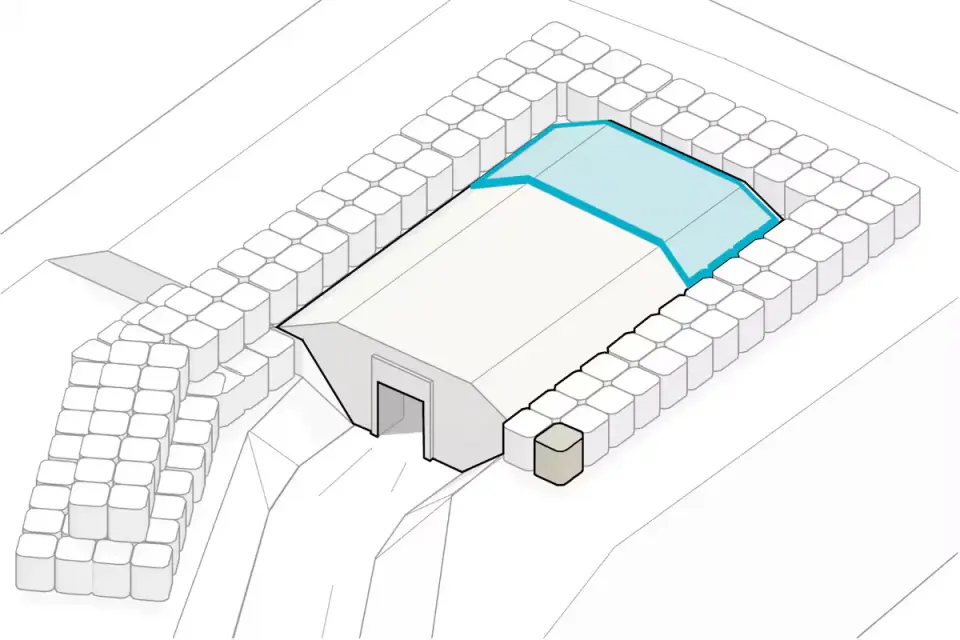
The U.S. Army successfully detonated approximately 5 tons of degraded lead azide at the Iowa Army Ammunition Plant in Middletown on Wednesday, November 25, 2026. While initial air monitoring showed zero airborne lead, officials and residents remain concerned about soil contamination and long-term health risks. The operation followed weeks of legal battles, evacuations, and political disputes over the safety of the stockpile.
Key points
- The Army detonated 68 drums of unstable lead azide at the Iowa Army Ammunition Plant in Middletown on Wednesday, November 25, 2026, at approximately 9:00 a.m. Central time.
- The stockpile, weighing nearly 10,000 pounds, was deemed too sensitive to transport or neutralize chemically, leading to a controlled blast to prevent spontaneous explosion.
- Initial EPA monitoring stations detected zero airborne lead in the hours following the blast, and an all-clear was issued for residents by late Wednesday evening.
- Extensive mitigation measures included two-story-high barricades, 19,000 cubic yards of lime-fill, and foam barriers to contain the blast and toxic dust.
- The operation triggered evacuations for residents within a five-mile cone and shelter-in-place orders for those up to 20 miles away, affecting the town of Middletown and surrounding rural areas.
Background
The lead azide stockpile, moved to the Iowa Army Ammunition Plant in 2009, had been deteriorating for years. The Army notified the EPA in March 2026 about the unstable material. Previous coverage indicated the Army planned the detonation for November 20 but delayed it due to legal challenges and public outcry. The 8th Circuit Court of Appeals lifted a stay on the EPA’s permit on November 24, allowing the operation to proceed on November 25.
How outlets are covering it
The Washington Post and CNN emphasize the technical mitigation efforts and the immediate lack of airborne lead, while highlighting ongoing concerns about soil contamination. CBS News focuses on internal White House frustration, alleging that Acting Army Secretary Adam Telle failed to escalate the issue to senior officials until September, despite the Army knowing about the threat since spring. The Hill reports that Vice President JD Vance blamed the Obama administration for storing the material without a disposal plan. Iowa Governor-elect Rob Sand and other local officials criticized the chaotic lead-up and demanded transparency, while President Trump defended the operation and criticized Sand for hindering the process.
Why it matters
The detonation raises significant questions about the management of hazardous military stockpiles and the communication of risks to the public. The potential for long-term lead contamination in soil and water poses health risks to residents, particularly children and pregnant women. The political fallout highlights tensions between federal agencies, local officials, and the White House regarding emergency decision-making and environmental safety.
What to watch
The Army plans to excavate and test soil for lead contamination, with results to be released once complete. A full report will be provided to the EPA within 60 days. Independent researchers from the University of Iowa and University of Nebraska are conducting their own soil and air sampling to verify government data. Farmers in the affected area are advised to monitor livestock and clean equipment for potential dust contamination. White House officials are investigating why the issue was not escalated earlier, with discussions about removing Acting Army Secretary Adam Telle from his role.
- See how the Army detonated tons of lead explosives in Iowa The Washington Post
- The government says Iowa detonation results exceeded expectations. Now what? CNN
- US Army releases post-detonation maps of potential lead dust exposure WQAD
- Blindsided by lead-based explosives in Iowa, White House now searching for accountability, sources say CBS News
- Vance blames Obama for toxic lead threat in Iowa The Hill
Want the full story? Read the original reporting
Read on The Washington Post