
Judge Halts FCC Review of ABC Licenses, Citing Retaliation
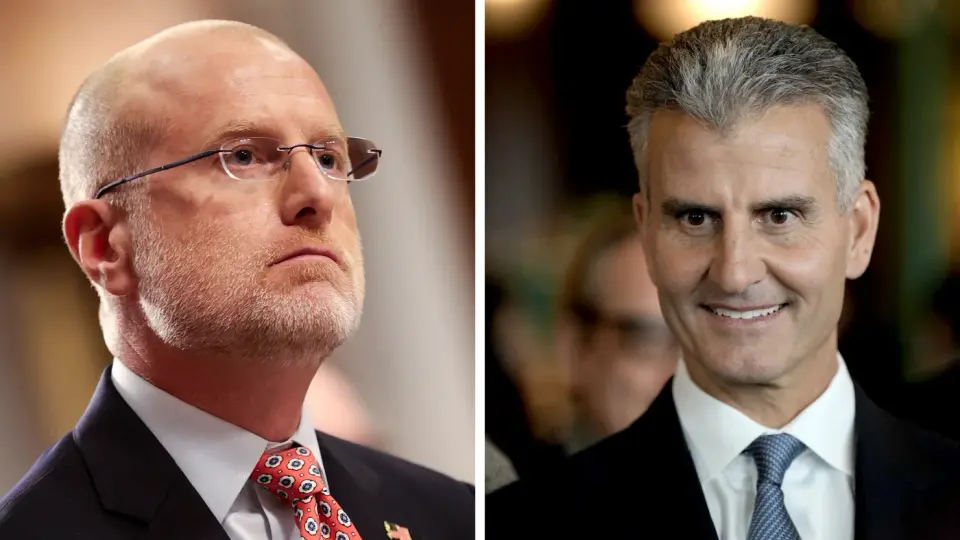
A federal judge has blocked the Federal Communications Commission from pursuing an early review of ABC's broadcast licenses, ruling that the action likely constitutes unconstitutional retaliation against Disney for critical coverage of President Trump. The ruling, issued by U.S. District Judge Loren AliKhan, halts the FCC's unusual move to force early renewals, which began in April 2026, years before the licenses were due. While the FCC called the decision wrong on the facts and law, the judge found that the timing of the review, which followed President Trump's public criticism of late-night host Jimmy Kimmel, demonstrated a retaliatory intent. This marks a significant legal victory for Disney in its First Amendment challenge against the agency's licensing authority.
Key points
- U.S. District Judge Loren AliKhan issued a preliminary injunction on Wednesday, blocking the FCC from proceeding with an early review of Disney's eight ABC-owned broadcast station licenses.
- The judge ruled that the FCC's early review likely constitutes unconstitutional retaliation against Disney for content critical of President Donald Trump, describing the case as 'not close.'
- The FCC had initiated the early review in April 2026, years before the licenses were due for standard renewal, citing an ongoing investigation into Disney's diversity, equity, and inclusion (DEI) practices.
- Disney and ABC argued the review was a pretext to punish the network for editorial decisions, including late-night host Jimmy Kimmel's jabs at the president and the moderation of a 2024 presidential debate.
- Judge AliKhan noted that the timing of the review, which followed a day after Trump publicly criticized Kimmel, demonstrated a retaliatory intent, and that the FCC's stated rationale for the early review was not credible.
- The ruling halts the FCC's unusual move to force early renewals, but does not prevent future regulatory actions; the FCC has stated it will appeal and continue to hold broadcasters accountable to their public interest obligations.
Background
This ruling follows a parallel case in September 2026, where U.S. District Judge Timothy Kelly issued a preliminary injunction blocking the White House from banning CNN, MS NOW, and Politico from the White House, citing viewpoint discrimination and First Amendment violations. Both cases involve media organizations challenging the Trump administration's actions as retaliatory for unfavorable coverage. In December 2024, Disney had agreed to settle a lawsuit brought by Trump against ABC News by paying $16 million, but under new CEO Josh D'Amaro, the company has taken a more aggressive stance in defending its editorial independence and First Amendment rights.
How outlets are covering it
NPR, CNN, and The Guardian all report that Judge AliKhan's ruling is a significant victory for Disney and ABC, emphasizing the First Amendment implications and the judge's finding that the FCC's actions were retaliatory. The FCC, through its spokesperson, called the decision 'wrong on the facts and wrong on the law' and stated it will appeal. Anna M. Gomez, the lone Democratic FCC commissioner, praised the ruling as a check on the agency's 'weaponized' licensing authority, urging other broadcasters to 'choose courage over capitulation.'
Why it matters
The ruling sets a precedent for media organizations challenging government actions that they perceive as retaliatory for unfavorable coverage. It highlights the ongoing tensions between the Trump administration and the media, and the role of the judiciary in protecting First Amendment rights. The case also underscores the potential for the FCC to use its regulatory authority to pressure broadcasters, and the limits of that authority under the First Amendment.
What to watch
The FCC has stated it will appeal the ruling and continue to hold broadcasters accountable to their public interest obligations. The case may proceed to a full trial, where the court will determine whether the FCC's actions were indeed retaliatory. The ruling may also influence other media organizations facing similar challenges from the Trump administration, and could have broader implications for the relationship between the government and the press.
- U.S. Judge rules FCC violated ABC's free speech rights to please Trump NPR
- ‘Not a close case:’ Judge blocks review of ABC’s broadcast licenses Politico
- Judge blocks Trump’s FCC from targeting ABC stations: ‘This is not a close case’ CNN
- Judge blocks Brendan Carr-led FCC from taking any further action against ABC’s licenses The Guardian
- Judge halts FCC review of ABC licenses, saying it probably violates First Amendment The Washington Post
Want the full story? Read the original reporting
Read on NPR