
Pope Leo XIV’s early-stage lung cancer diagnosis prompts hospital recovery and theological debate
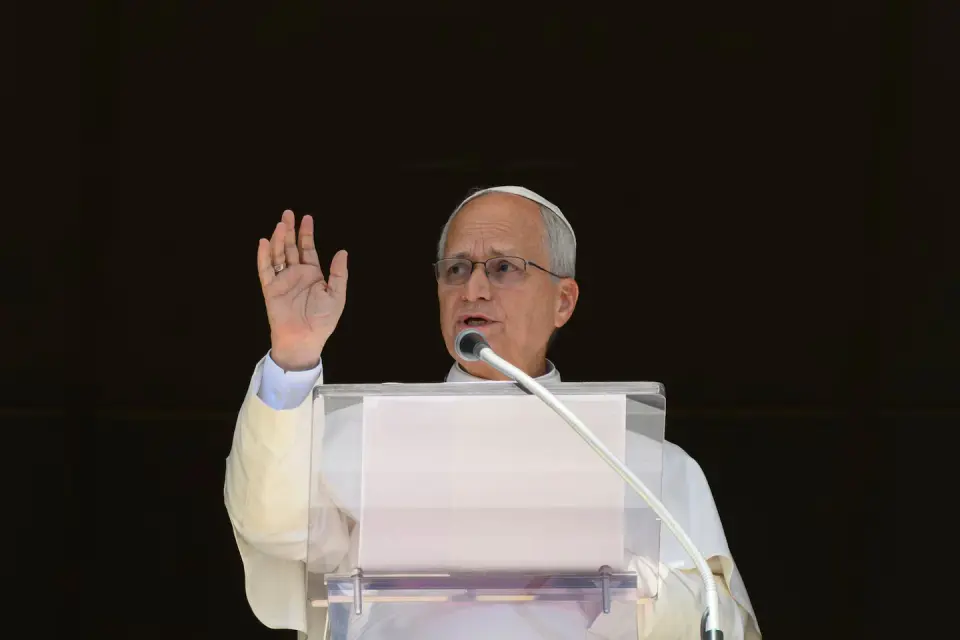
Pope Leo XIV, a non-smoker, underwent surgery at Rome’s Gemelli Hospital to remove an early-stage pulmonary adenocarcinoma nodule and his right lung’s lower lobe. While medical updates indicate normal recovery, the diagnosis has sparked discussions about the risks of lung cancer in non-smokers and the future of his pontificate.
Key points
- Pope Leo XIV, 71, was diagnosed with early-stage pulmonary adenocarcinoma, a non-small cell lung cancer subtype, and underwent surgery to remove the nodule and his right lung's lower lobe.
- The Vatican confirmed on October 15 that the Pope’s postoperative recovery is progressing normally, with chest X-rays showing good lung recovery and the Pope participating in full physiotherapy activities.
- Oncologist Mikkael A. Sekeres notes that up to 20% of lung cancer diagnoses occur in non-smokers, citing genetic mutations and environmental factors like radon and air pollution as key contributors.
- The diagnosis has raised questions about the Pope's upcoming Latin America trip and his long-term ability to lead the Church, though some theologians suggest it may strengthen his connection to the 'fragile' and 'vulnerable' he often champions.
- Pope Leo XIV, elected in 2025 at age 69, was chosen partly for his youth and vigor, contrasting with predecessors who faced significant health issues; his family history includes cancer in both parents and a brother currently treated for blood cancer.
Background
Recent studies highlight that lung cancer in non-smokers is often linked to specific genetic mutations, such as the rare EGFR T790M variant, which can increase risk significantly in certain populations. This genetic factor, alongside environmental exposures, underscores that tobacco is not the sole cause of the disease, a point emphasized in current medical literature.
How outlets are covering it
Vatican News and the Associated Press focus on the medical and logistical aspects, confirming normal recovery and potential schedule adjustments. The Washington Post, through oncologist Mikkael A. Sekeres, emphasizes the broader public health implication that non-smokers face substantial lung cancer risks due to genetics and environment. The Pittsburgh Post-Gazette highlights the theological and political ramifications, noting how the diagnosis may accelerate the Pope's agenda or alter his global influence, while contrasting his health with the frailty of his predecessors.
Why it matters
The Pope's diagnosis serves as a high-profile example of lung cancer in non-smokers, challenging the public perception that the disease is exclusively a smoker's illness. It also raises questions about the continuity of papal leadership and the Vatican's ability to manage global crises, including the ongoing conflict in Iran and AI ethics, while the Pope recovers.
What to watch
Pope Leo XIV is expected to remain at Gemelli Hospital for approximately one week to complete his recovery. The Vatican will likely announce a revised schedule for his upcoming Latin America trip, and the Church will monitor his ability to resume his full duties, including his advocacy for peace and AI safeguards.
- Column | I’m an oncologist. Here’s what nonsmokers need to know about lung cancer. The Washington Post
- While Leo Recovers From Lung Surgery, the Church Runs on Autopilot The New York Times
- Pope Leo's postoperative recovery 'progressing normally' Vatican News
- Pope shares first message after lung cancer diagnosis CNN
- Pope Leo XIV’s cancer diagnosis raises questions about the future and the very recent past Pittsburgh Post-Gazette
Want the full story? Read the original reporting
Read on The Washington Post