
CMS Ends Medicare Part D Subsidy, Setting 2027 Premiums at $41.33
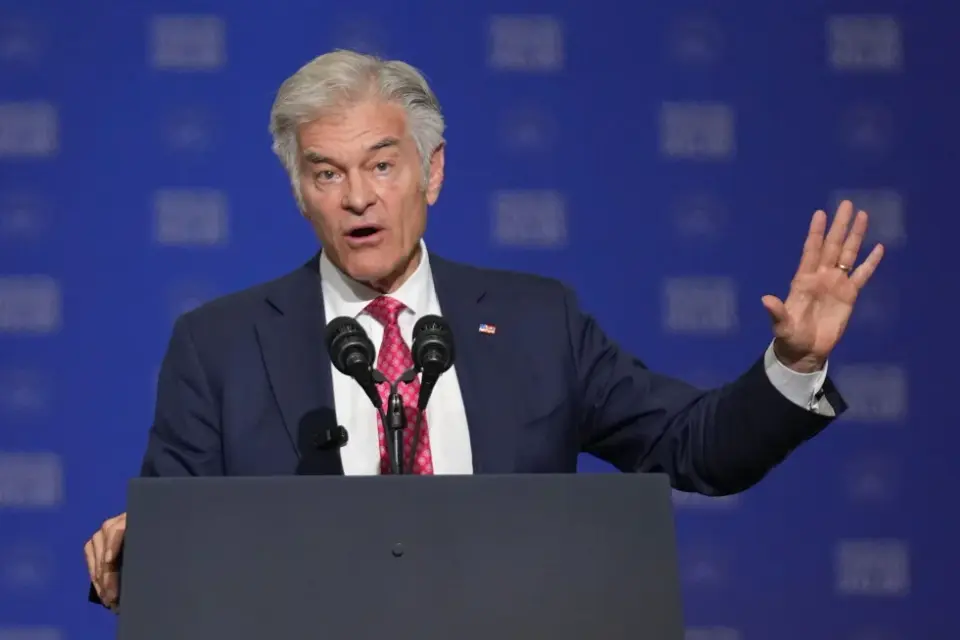
The Trump administration has terminated the Part D Premium Stabilization Demonstration, a Biden-era subsidy that capped premium increases for roughly 25 million Medicare beneficiaries. CMS Administrator Mehmet Oz stated the program is no longer needed, predicting most enrollees will see premium increases of less than $10. The base beneficiary premium for 2027 is set at $41.33, up from the current average of $34.50. Critics argue this move raises costs for seniors ahead of the midterm elections, while the administration claims market conditions have stabilized.
Key points
- CMS ended the Part D Premium Stabilization Demonstration, which was established in 2024 to offset sharp price increases in 2025.
- The subsidy reduction affects approximately 25 million Americans enrolled in stand-alone Medicare Part D prescription drug plans.
- CMS Administrator Mehmet Oz asserted that premiums will rise by less than $10 for most recipients, with some potentially seeing lower costs.
- The base beneficiary premium for 2027 is fixed at $41.33, compared to the current average of $34.50.
- Open enrollment for Medicare Part D begins on October 15, 2026, just weeks before the midterm elections.
- The Inflation Reduction Act previously capped out-of-pocket drug spending, but this subsidy specifically shielded enrollees from premium hikes.
Background
This decision follows a series of health policy shifts under the current administration, including the implementation of a $50 monthly copay for GLP-1 weight-loss drugs like Wegovy starting in July 2026. Earlier in 2026, the administration also proposed rules to bar hospitals from charging markups on discounted drugs under the 340B program, aiming for $1.1 billion in Medicare savings. These moves align with broader efforts to reduce social spending, including significant cuts to Medicaid and SNAP programs enacted in the previous year's legislative package.
How outlets are covering it
The administration, led by CMS Administrator Mehmet Oz, frames the subsidy as an unnecessary 'bailout' to insurance companies, arguing that market conditions have stabilized and that the move will result in minimal cost increases for seniors. Conversely, independent Senator Bernie Sanders and researchers at KFF criticize the decision, stating it will raise prescription costs for 25 million seniors and contradict the administration's stated goals of lowering drug prices. MS NOW highlights the political timing, noting that the policy shift undercuts the White House's claims of improving affordability and disproportionately affects low-income seniors, particularly Black and Hispanic communities, ahead of a critical election cycle.
Why it matters
The elimination of this subsidy directly impacts the monthly costs for 25 million seniors, many of whom already struggle to afford prescriptions. With nearly a quarter of seniors reporting difficulty affording their medications, this policy change could exacerbate financial burdens and lead to rationing of essential drugs. The timing, occurring just before the midterm elections and the start of open enrollment, raises questions about the administration's priorities regarding healthcare accessibility and the political risks of altering a program traditionally viewed as untouchable.
What to watch
CMS will not announce specific plan-level premiums until September 2026. Beneficiaries should monitor their plan options during the open enrollment period starting October 15, 2026. Researchers at KFF are expected to provide further analysis on the potential cost increases for specific enrollees as detailed plan data becomes available. The administration may face further political backlash as the impact of the subsidy removal becomes apparent to voters.
- The Trump administration is ending a Medicare drug subsidy program. Here's how it could affect costs AP News
- Trump Will End Subsidies for Medicare Drug Premiums The New York Times
- Trump to End a Medicare Drug Subsidy Program. Here’s Why That Matters U.S. News & World Report
- Opinion | Trump’s Medicare change comes at a curious time MS NOW
- Trump admin to cut Medicare Part D as projected costs skyrocket The Center Square
Want the full story? Read the original reporting
Read on AP News